The Wonderful World of Crowd Sourced CSA Meal Planning

“What to make with a CSA share?” is a common question. One of the most fantastic things about joining the CSA is access to the Where the Redfearn Grows Natural Farms CSA private Facebook page.
Here’s just a few of our member’s amazing creations that they have shared with the group. From simple snacks to complex dishes, you’ll be inspired to create great tasting, healthy food. There are lots of vegans and carnivores in the group, but all of them love to cook with amazing fresh vegetables, so you’re bound to find tons of recipes that fit your eating style.

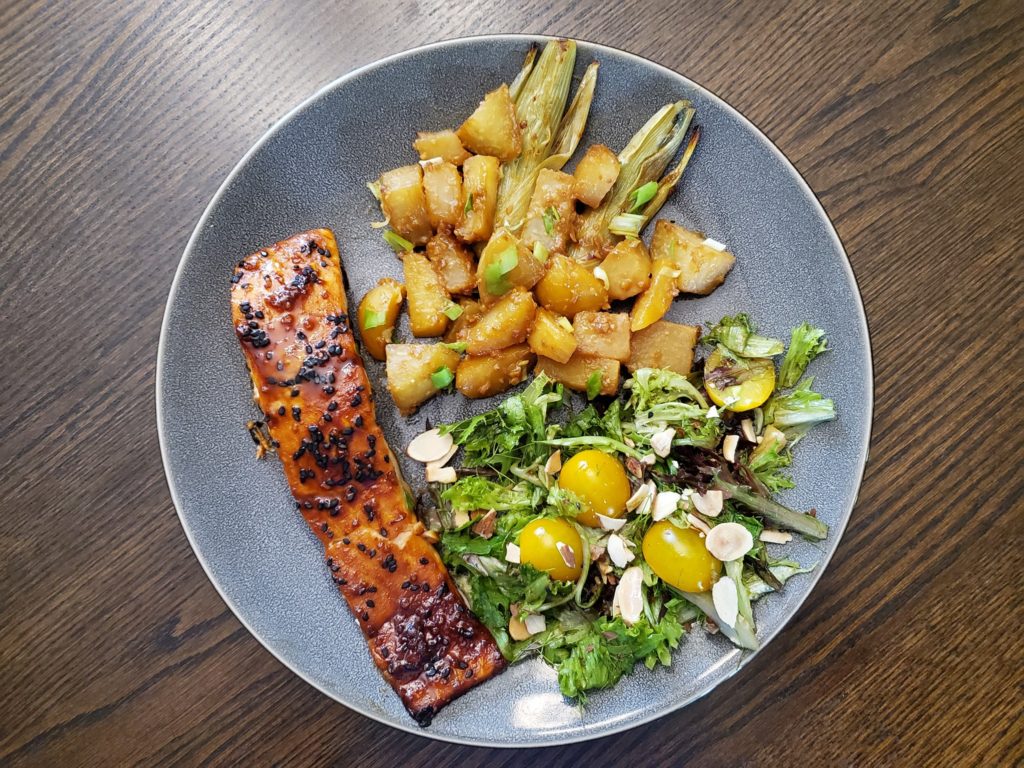
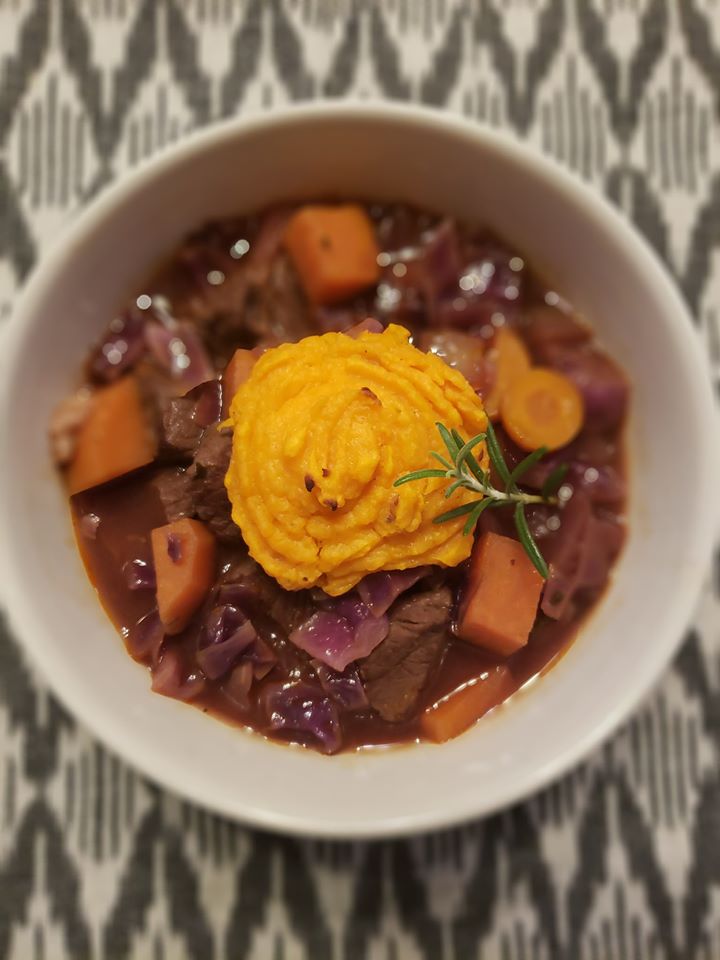
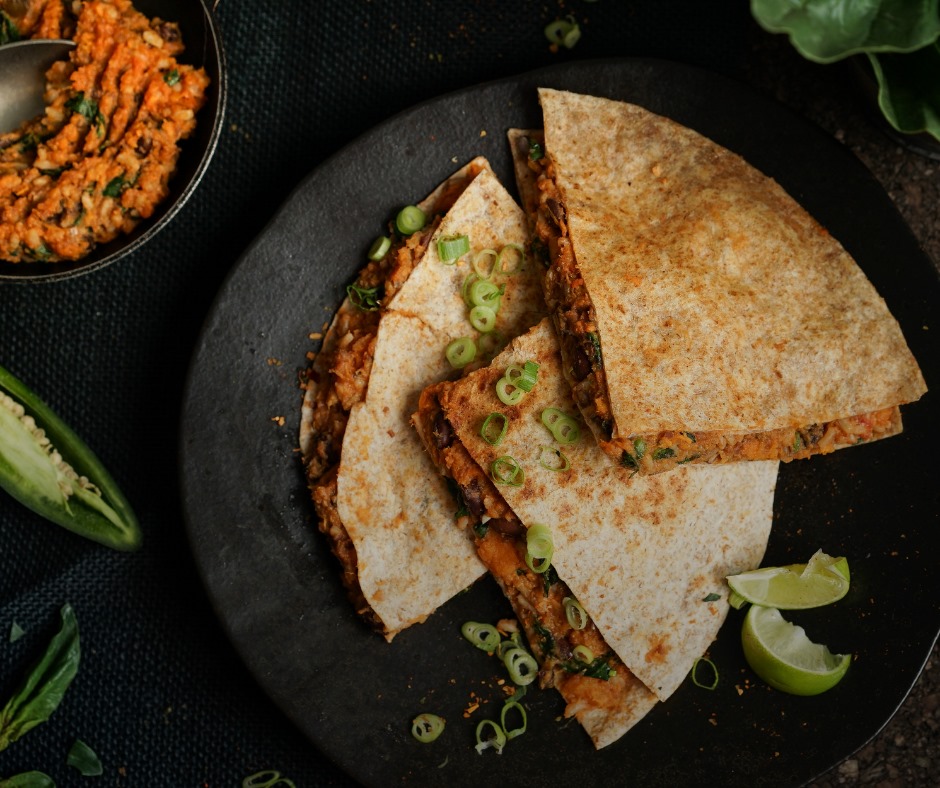
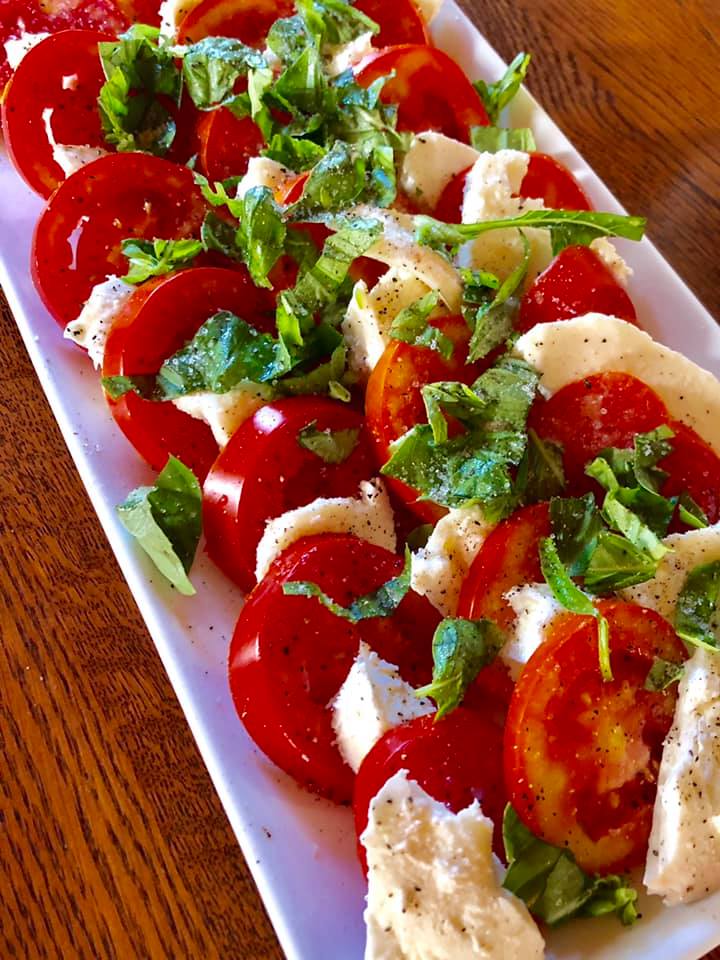
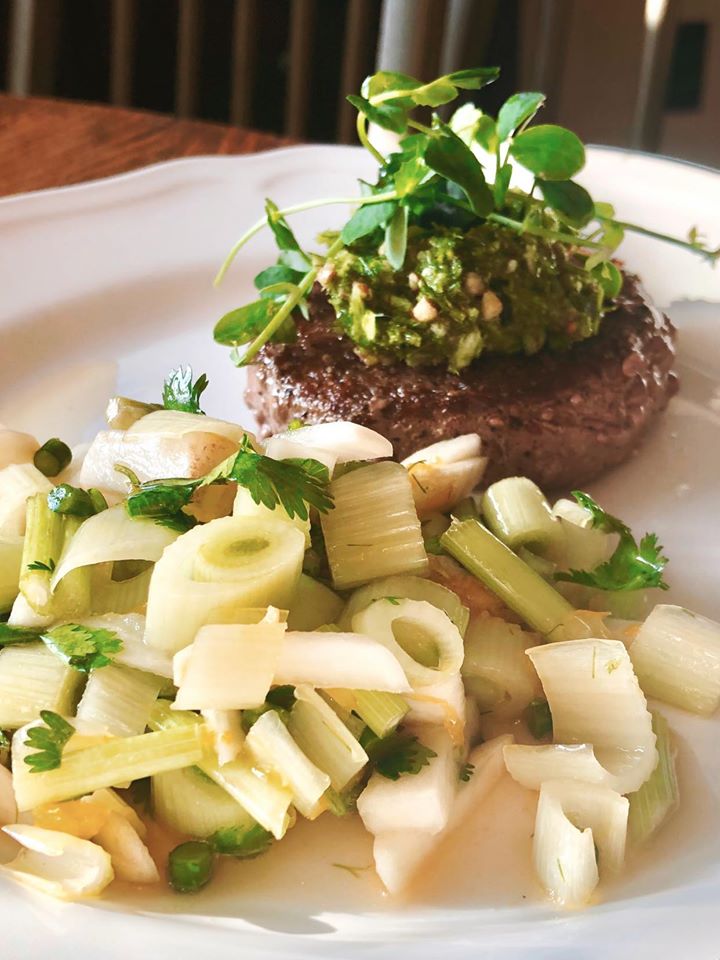
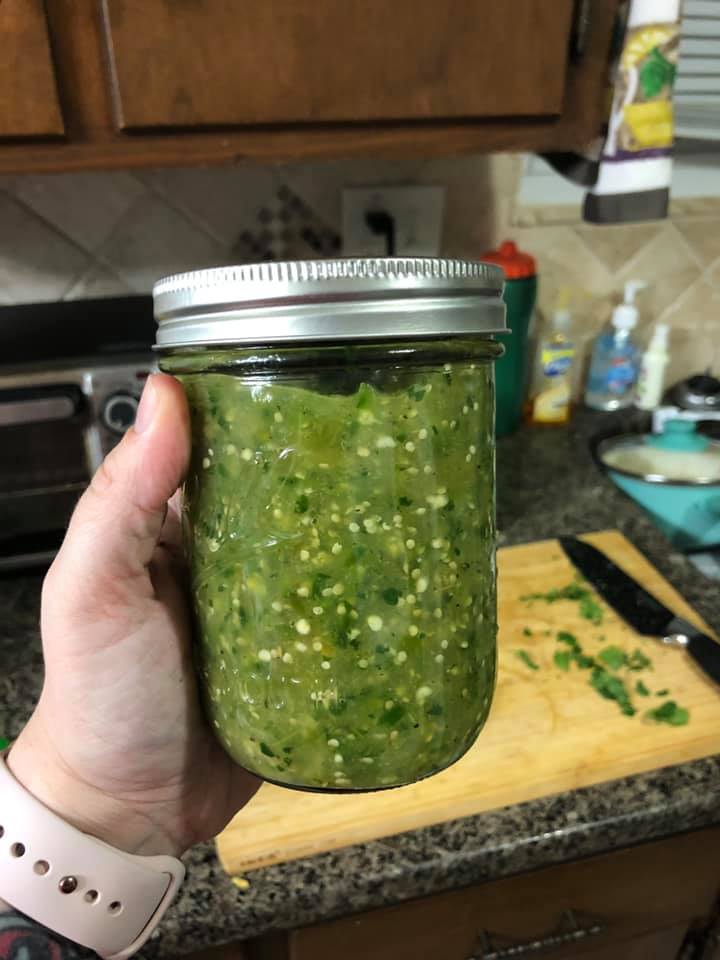
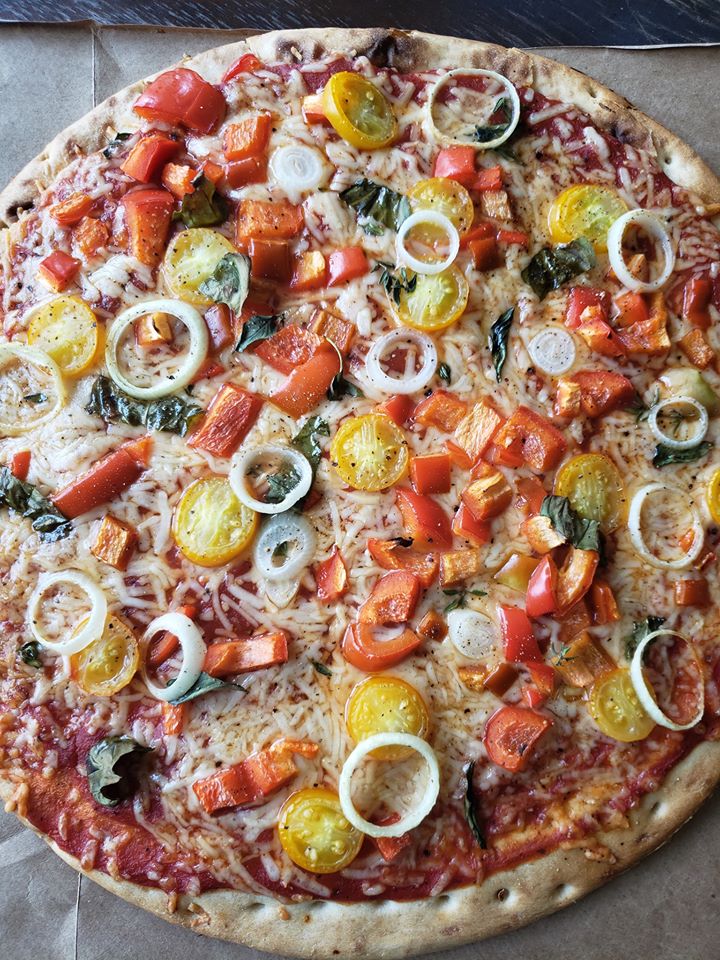
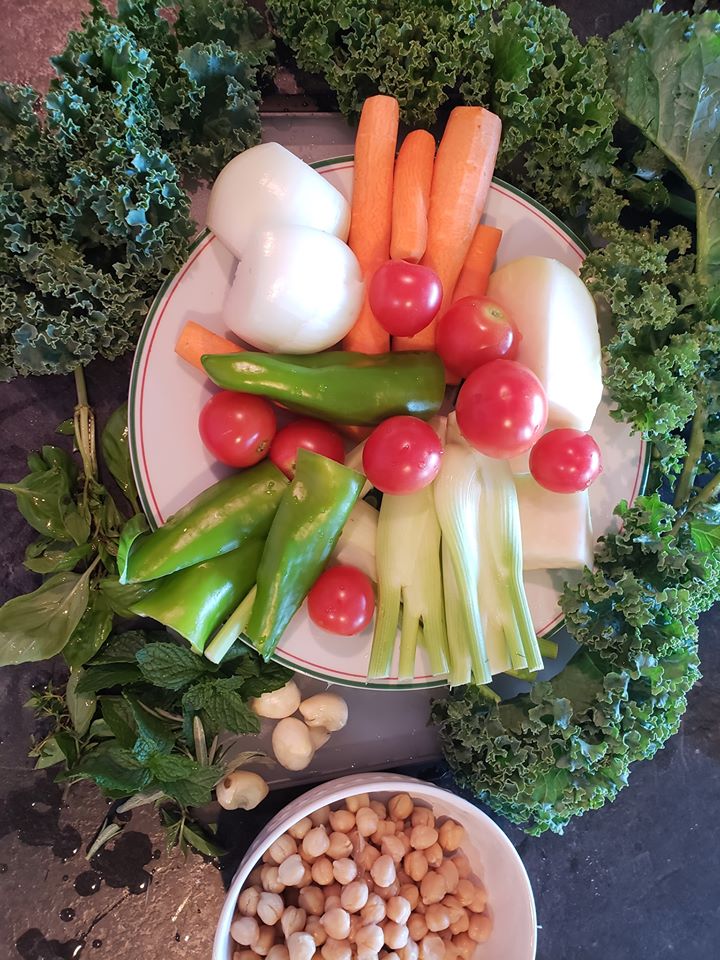
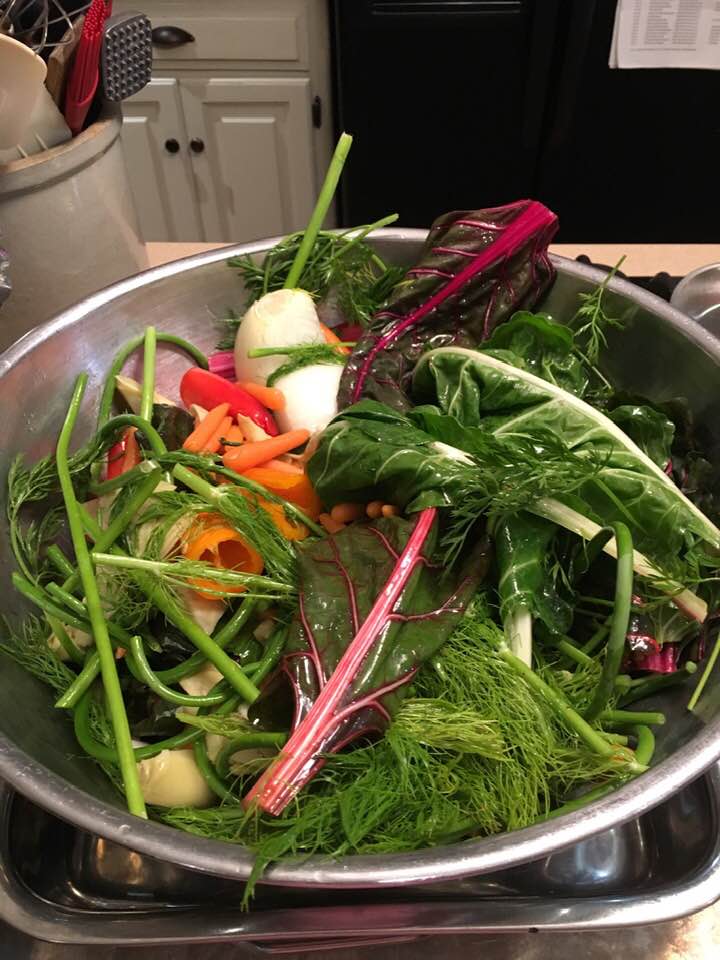
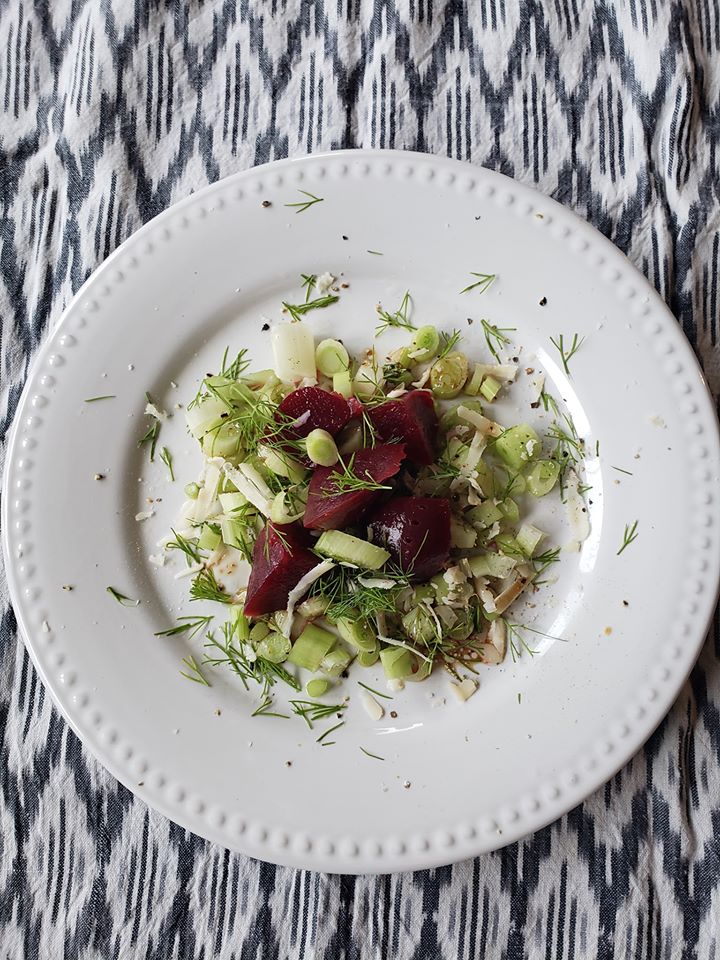
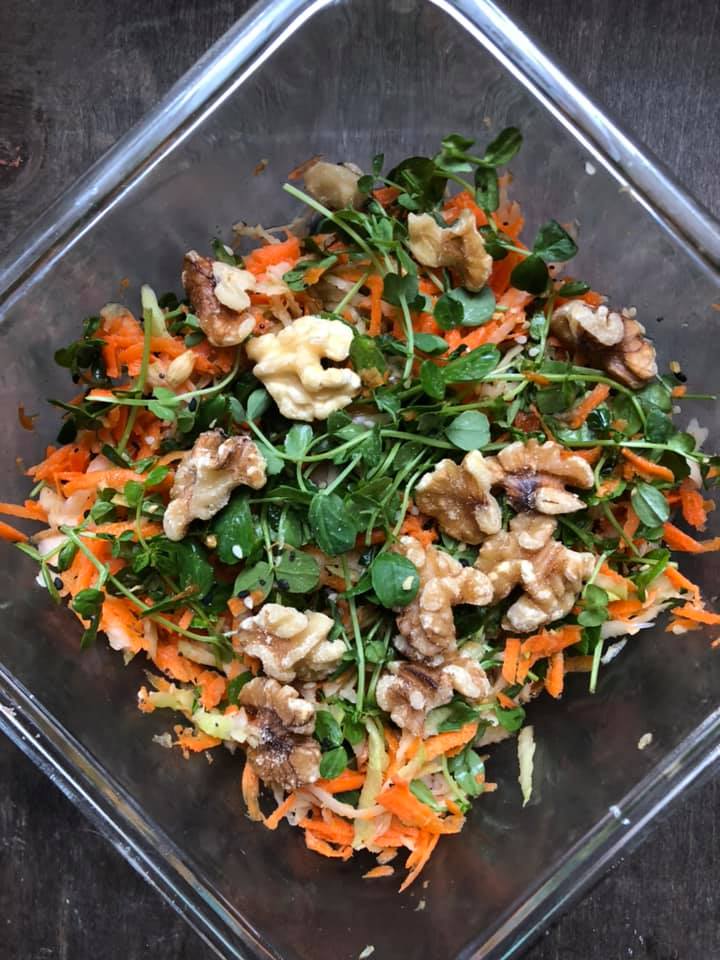
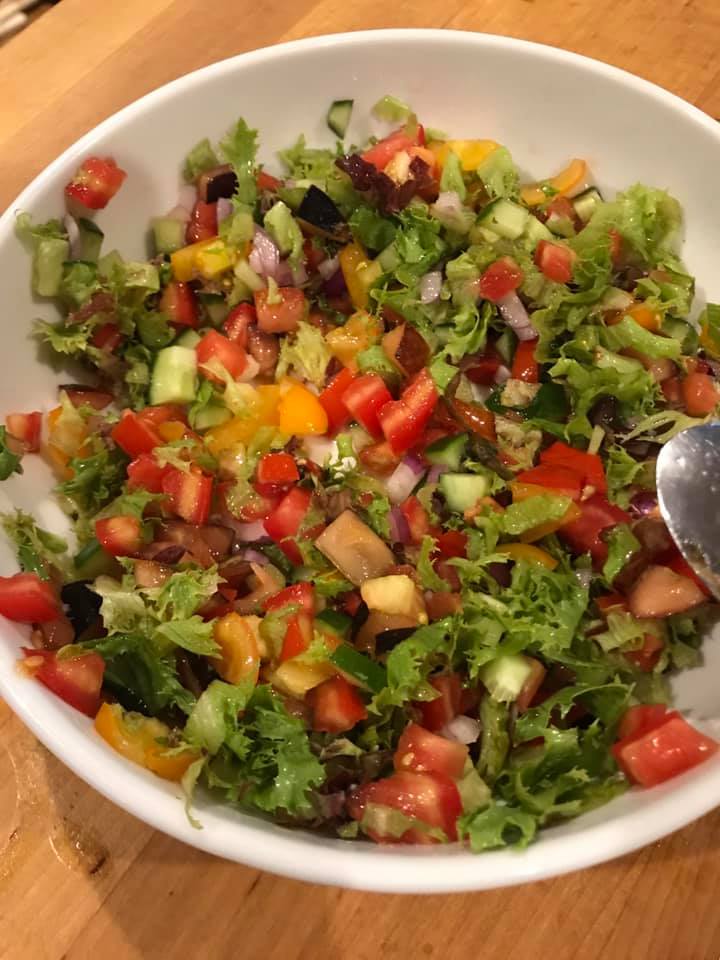
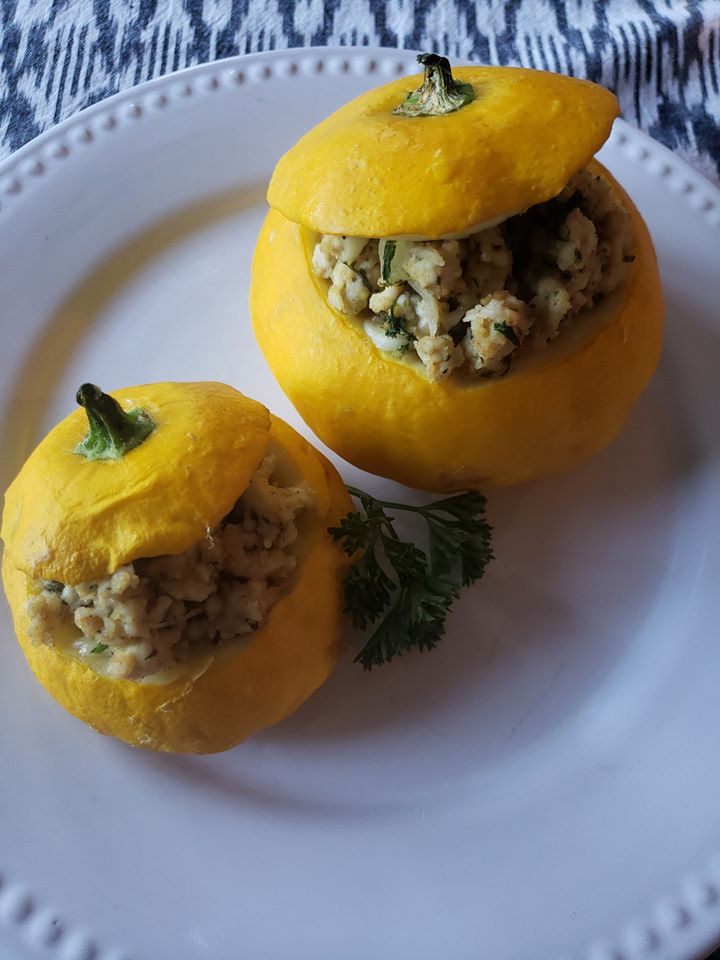
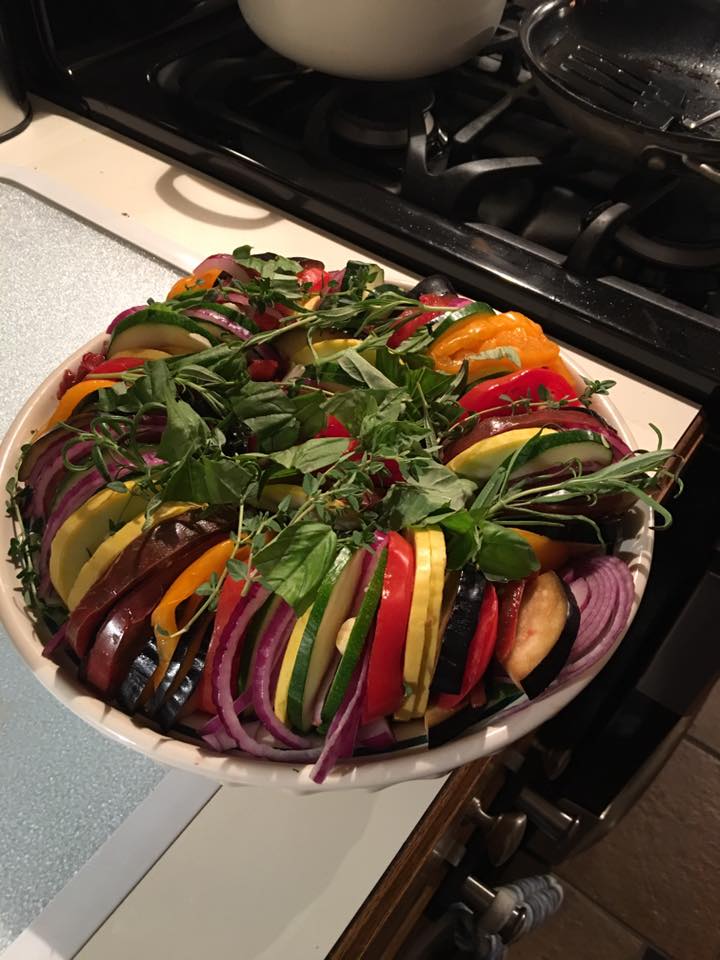
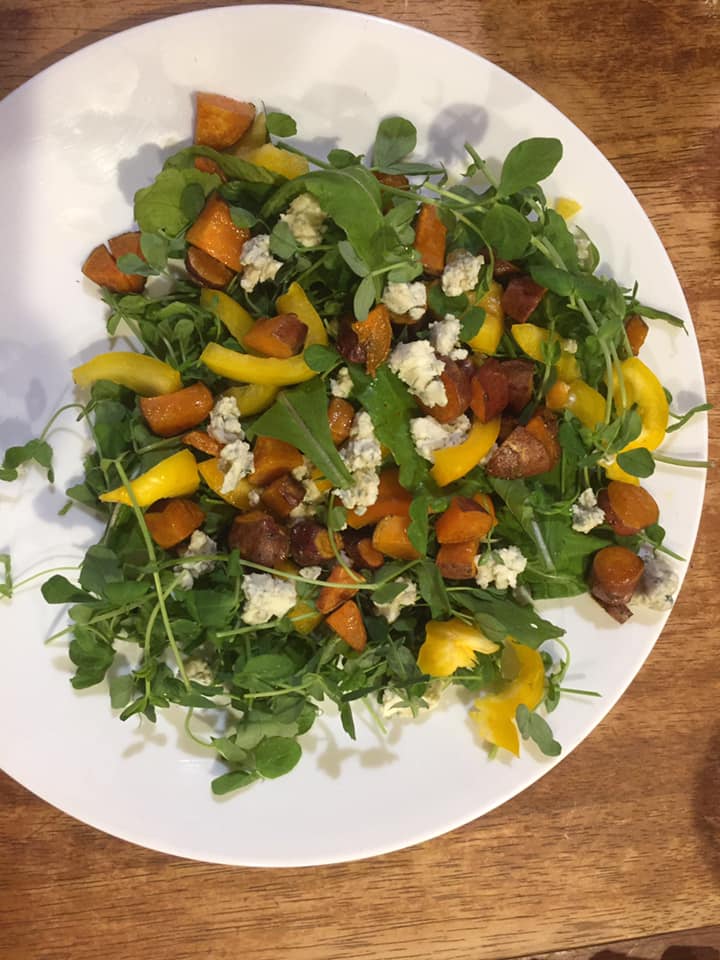

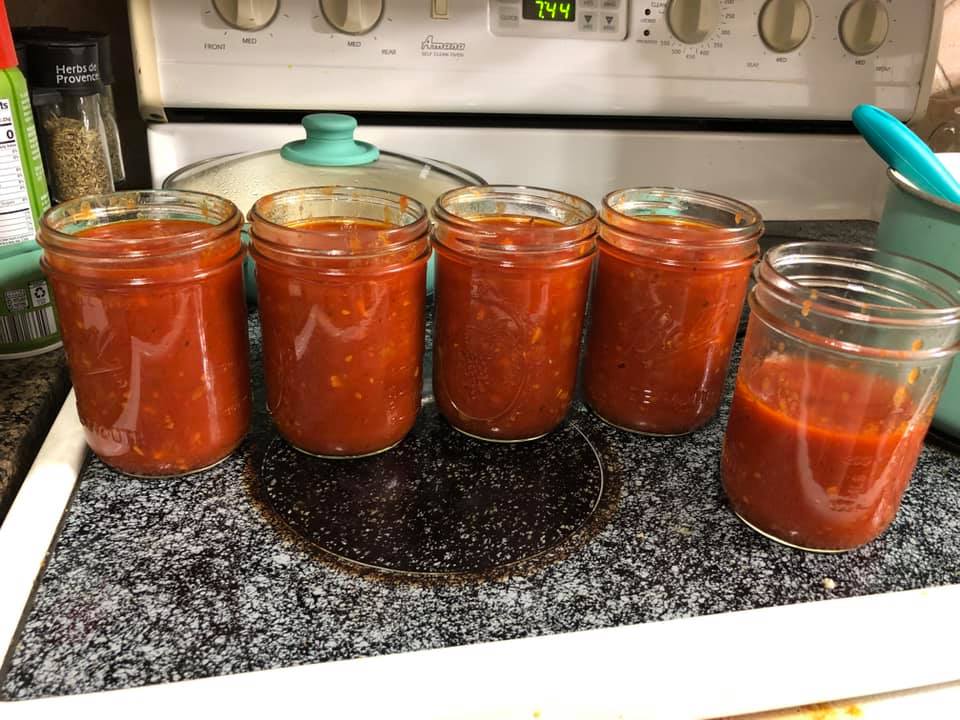
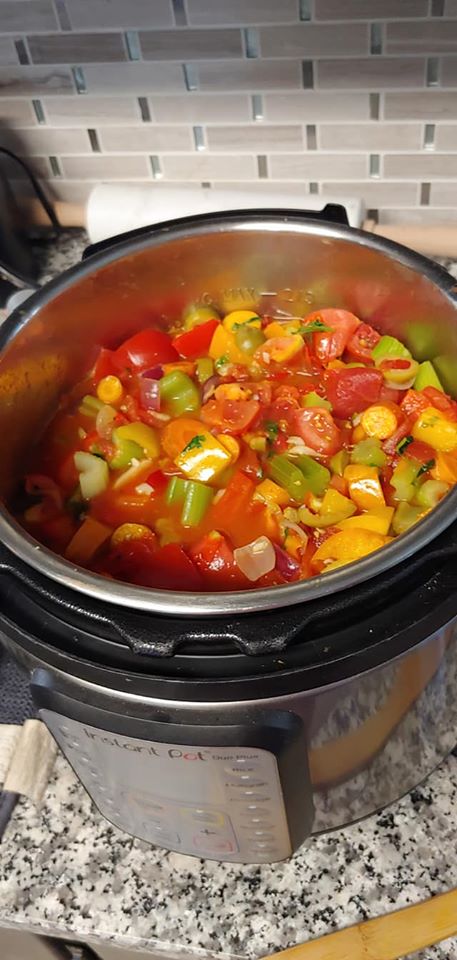
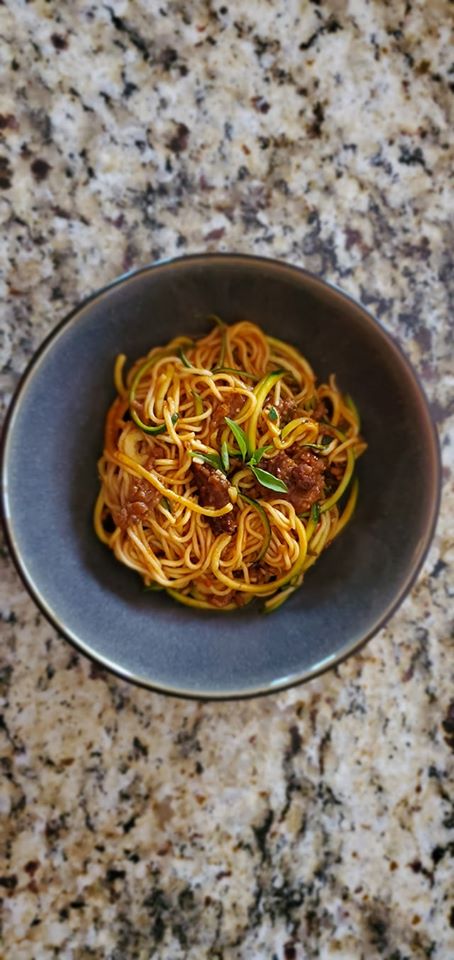
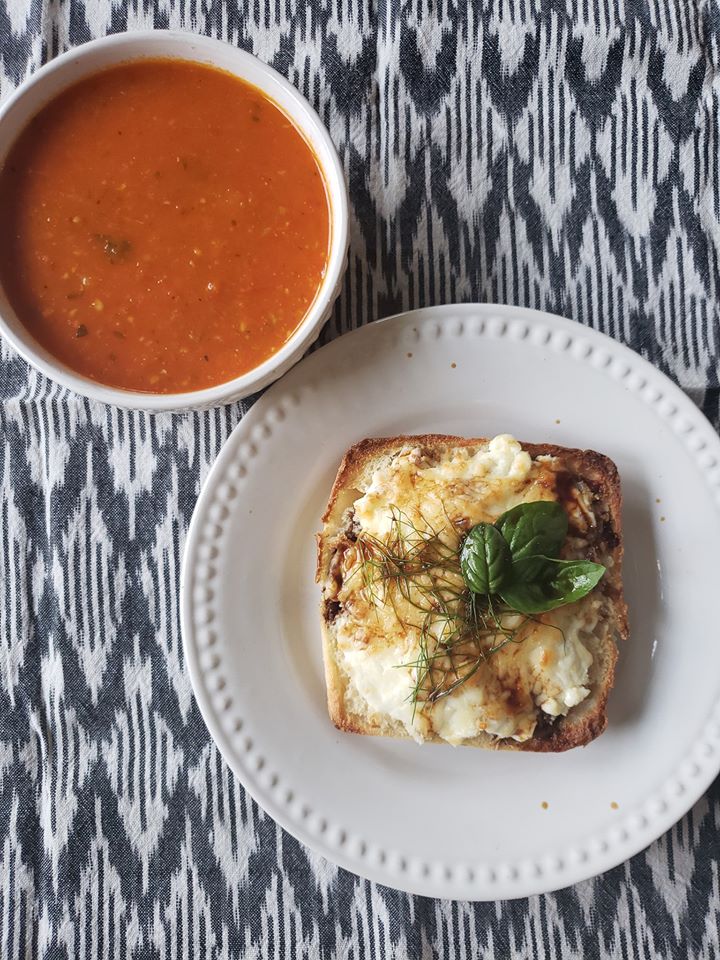
Members post recipes all year including great ways to use or easily preserve older stuff if you get behind. Our goal is to help each other improve our quality of life through amazing, healthy meals. Joining in the CSA will get you involved in the conversation as we share our ideas each week.
Not a cooking pro? That’s the best thing about the group. There’s no judgment here among our CSA members. We all started out not knowing how to boil water. You can feel the freedom to ask basic questions and you’re sure to get a response from a friendly person further along their culinary journey. You know that the “C” in “CSA” stands for community, and we’ve built a community of friendly people who love good food and love to help others experience the joy of cooking.
Membership in the private CSA group is one of the great benefits of joining the CSA. Ready to learn more about the CSA? >>
Recipes and Storage Tips for Kale
In the local and health food movements, many foods have gotten the spotlight as being immune boosting, high in antioxidants, superfoods, and much more. One of the most prevalent at the market is kale. Kale is a sturdy leaf from the brassica family (think broccoli and cabbage) that’s incredibly versatile and readily available for much of the growing season. This week as Where the Redfearn Grows, we want to take you through a few of the many ways that kale can make your table more scrumptious!
Storage
It’s important to keep kale cool as it wilts easily in heat. So, place it in your fridge and don’t wash it until it’s time to prepare it. To keep the kale from going limp too quickly, stick the leaves in a bag or a sealed container. Your kale will be most crisp in the first few days after you’ve brought it home, but it’s still great for cooking even two weeks later!
Recipes
Massage
Since kale is tough and fibrous, it often takes a little cooking or wilting to make it tender. But, if you’re looking for a way to use it fresh out of the garden, consider massaging the kale with some oil and salt. (And yes, it does require some caressing of the leaves with your own hands!) If you have other ingredients you’d like to use with your kale, try this simple salad to spruce up those leaves.
Sautée
If you’re not quite ready to get personal with your kale, throw it on a skillet for a few minutes with oil, spices, and other toppings for a delicious sautéed kale side. If you’re feeling a little more adventurous but don’t want to adulterate your fresh greens, take a stab at kale chips. They’re a great snack and don’t require as much active cooking time as other recipes.
Add to Anything!
Like any cooking greens, kale can be used to add color and texture to almost any dish. It’s great cooked into eggs and added to soups like this zuppa toscana. If you don’t feel like heating up the stove, kale can even be used as an addition to your favorite smoothie or juice recipe. Check out this blueberry kale smoothie for a sweet, refreshing take on these leafy greens!
It’s hard to go wrong with kale. So, once you have the basics, experiment! We’d love to hear what you discover. No matter what you make, we at Where the Redfearn Grows are excited that you are seeking good, locally-sourced food to nourish the ones that you care about.
Happy eating!
-Your Redfearn Farmers
Looking for more tips and recipes? Subscribe to our email list and check us out on Facebook for important dates and special offers.
How to Store and Serve Cucumbers
Summer is here! That means it’s time for fresh salad, iced tea, and your favorite treat on the grill. For us at Where the Redfearn Grows, cucumbers are becoming a frequent companion at the market stand. They’re practically hopping off the vines in our greenhouse!
In the spirit of summer fun and freshness, we wanted to give you some tips for making the most of your cukes this summer, whether snacking, storing, or even pickling. But first, it’s worth mentioning the different varieties of cucumber out on the market.
What is Burpless?
Cucumbers and other cucurbits (their cultivar cousins) naturally have a tough green skin. Some folks like to remove it before eating and that’s partly because it’s hard for our bodies to digest. For some, the standard cucumber can cause gas or other discomfort. However, varieties like the english cucumber have more delicate skins and are kinder to the stomach. Therefore, they’re called burpless. We’ll be offering english cucumbers as well as snackers and slicer cucumbers all summer.
Storage
Fresh is best when it comes to consuming cukes, but they will stay plump and crisp up to a week in your fridge (depending on the variety). You can keep them in the high-humidity drawer at the bottom of the fridge or even in a cool place on your counter. We’ve also heard of people wrapping their cucumbers in a damp towel and putting it in a plastic bag before storing it in the fridge. Try it out and see how it works for you!
Recipes
Salads
Juicy green cucumbers are great in any fresh green salad. Slicing some cukes onto a bed of your favorite lettuce is the perfect side for a cookout or picnic. You could take a Mediterranean approach with some tomatoes, red onion, and oil like in this recipe or an asian twist with this spicy sesame salad. If you’d like to take your salad to the next level, consider adding some chicken or other protein.
Sauces
When your cucumbers are less-than-crispy, they’re still great for pairing with dill in creamy sauces, like in the popular tzatziki sauce. It’s delectable over grilled salmon and even on burgers! If you’re feeling really adventurous and looking for an alternative for your cookout, try out these chicken gyros. Our mouths are watering just thinking about it!
Pickles
If you’re like us and find yourself with too many cucumbers, it could be time to start pickling. You might have a secret family recipe that has been passed down for generations. (If you do, that’s awesome!!!) Just want to get your feet wet? Try this easy recipe for dill pickles. Just remember to check out the kind of cucumbers your recipe calls for. Different varieties can yield vastly different results.
Nothing beats crisp, juicy cucumbers in the summer. At Where the Redfearn Grows, we’re beyond happy that you are taking the time to buy fresh and put good food on the table for yourselves and your loved ones.
Bon appetit!
All the best,
Your Redfearn Farmers
Looking for more tips and recipes? Subscribe to our email list and check us out on Facebook for important dates and special offers.
How to Store and Cook Snap Peas
When you go into the greenhouses in this spring, you’ll see some huge walls of green. It might look like we’re trying to keep the cucumbers from arguing with the squash. In reality, we’re growing sugar snap peas.
Unlike other peas that require shucking or hulling, sugar snap peas are tastiest right off the vine. If you’re around for Friday harvest, you might catch someone mistake their mouth for the harvest bucket. Mmm! They’re just so yummy! So today, we at Where the Redfearn Grows want to show you how to make the most of these sweet green pods of goodness.
Storage
Sugar snap peas are a tough one to store. Though it’s possible to store them unwashed and in a plastic bag in your fridge, they’re itching to get on your plate as soon as you get home. If you’d like them to keep longer than a week, try blanching and freezing them to extend their life up to a year!
Recipes
Best Fresh
For those of you who just can’t wait to pop some peas into your mouth, just rinse ‘em off and snack away. If you must, hummus and ranch dressing are great dips for a refreshing bite on a spring afternoon. Snap peas can also be a great addition to a salad of your favorite spring greens.
The Basics
A quick and easy way to add pizzazz to your peas is by simply sauteeing them in a little butter or oil. Add some other veggies, like the carrots in this recipe, and you have a hot, balanced side dish. When you’re ready to upgrade to a full meal, add some protein and try a sweet and snappy stir fry! (Just remember to cook your peas fast and hot to preserve some of their crispy profile.)
Our farm team at Where the Redfearn Grows is excited to hear what you come up with! Whether it’s a simple salad or a roasted veggie platter, we love that you’re into local food and we’re happy to help get it to your plate!
Enjoy your veggies! We hope to see you soon!
–Your Redfearn Farmers
Looking for more tips and recipes? Subscribe to our email list or check out our website for more info on our farm and our CSA program.
Storage Tips and Recipes for Broccoli and Broccolini

June is upon us and that means lots of rain and lots more variety in our fields. This week in particular, the team at Where the Redfearn Grows would like to point out the “little trees” that you’ll find on the market stand – broccoli and broccolini.
Now, you’ve probably heard of broccoli before–some love it some hate it–but perhaps you’ve never heard of broccolini. What is it? Well, simply put, it’s a hybrid of broccoli and a variety of Chinese broccoli. It’s essentially the same as broccoli, with smaller heads and shoots that are more tender and easier to eat right off the stalk. For the purposes of storing and cooking, it functions the same as broccoli, although you might find ways that broccolini suits your tastes differently.
Storage
Consider storing broccoli and broccolini dry and in an open or unsealed part of your fridge. For most brassicas (aka broccoli’s cousins), it’s important not to moisten the vegetables before storing. This often leads to discoloration and rot. Also, be careful not to put it in a sealed bag or container, as it could promote condensation and make your broccoli go bad faster.
Freezing
Broccoli and broccolini, like many vegetables, are best consumed fresh. However, if you know you won’t get to it for a while or if you have a whole bunch you want to store, considering blanching your veggies. It’s as easy as putting them in boiling water or steam, then dunking them in ice water to keep them firm, and putting them in a sealed freezer container. With this simple method, your broccoli can store up to a year!
Recipes
Roasted Broccoli
An easy thing to do with broccoli is roast it in the oven with other veggies. You can make it the main event in this broccoli and peanut dish or give it some flair in a Buddha bowl. If you want to add a little crunch, try adding breadcrumbs like in this baked broccoli dish. Serve your oven-roasted delights with a little bit of garlic and butter or a with a cheese sauce. It’s hard to go wrong with these little trees.
Broccoli Stir Fry
Stir fry is a go-to for farm lunches. On any given day, Farmer Sheri might throw some greens, roots, and sauce into a wok and serve it over rice for a filling main dish. The great thing about this style of cooking is that it’s fast. Check out this broccoli stir fry for a little taste of one of our favorites!
Broccoli and broccolini are great additions to any dish that includes veggies. You can even put it in sauces or, if you’re brave, a green smoothie. Whatever you do, experiment with what works best for you and the people at your table. At Where the Redfearn Grows, it makes us happy to know that you’re out there giving it a shot and that we can help bring local, high-quality produce to your kitchen.
Happy Cooking!
Blessings,
Your Redfearn Farmers
Looking for more tips and recipes? Subscribe to our email list or check out our website for more info on our farm and our CSA program.
Exciting News!!!

Do you enjoy buying local? Is it one of your Saturday rituals to visit the farmer’s market and soak up the air, even if your fridge is full? Do you find yourself bringing lots of veggies home but feel like you should have brought home more recipes? No fear!
Here at Where the Redfearn Grows, we’re excited to announce that we’ll be re-launching our blog in June. Lots of folks have been asking about recipes for our veggies and love to hear tidbits from the farm. It’s our goal this year to give you both! Starting next Thursday, we’ll be posting weekly to give you storage and cooking tips for our latest offerings. In addition, we’ll be sharing farm re-caps and featuring community members once a month.
Community members you say. Wha… me? Yes, YOU! We wouldn’t be where we are today if it weren’t for people like you who are interested in high-quality, chemical free produce and connecting to local farmers. We want to highlight what makes you a special part of our community. If you’re interested in being featured or would like to nominate another one of our CSA members, talk to us at the market or shoot us an email at dave.redfearn@gmail.com. We’re looking forward to hearing from you!
So keep a lookout on social media and right here on our website for more tips and stories. We’re so thankful to have you in our community and we’re looking forward to another great season on the farm!
All the best,
Your Redfearn Farmers
Can’t wait for the next post? Check out our previous articles on recipes and other veggie tips. And don’t forget to subscribe to our email list for CSA updates and more.
Storage and Cooking Tips for Swiss Chard
Have you ever found yourself at the farmers’ market surveying the offerings when your eyes catch a multicolored stalk with sturdy green leaves? Do you wonder how it looks so much like bok choy, dinosaur kale, and celery all at the same time?
Swiss Chard, as it is often called, is one of the most stunning visuals on our market tables this spring. We find that so many folks want to take some of this rainbow magic home with them, but don’t know where to start once it reaches the kitchen. So, here at Where the Redfearn Grows, we put our heads together to provide some tools to make your chard last longer and taste delectable.
Storage
This particular vegetable is actually quite heat tolerant in the field, but as with many greens, it’s important to store Swiss Chard dry and in a cool place. For added protection, consider storing your chard in a plastic bag and press out extra air to reduce the chance of condensation. The greens will stay crisp for about a week. But, it’s easy to find a use for chard up to two weeks after you bring it home!
Recipes
Sauteed Chard
Swiss Chard is most frequently used as a cooking green. It can definitely be tossed with some your favorite toppings for a fresh garden salad. However, we find it’s just as easy to throw it in a pan with some oil and spices to soften up the leaves and bring out more flavor. Check out this recipe for a simple sautee, easily added to any meal.
Egg Bake
The great thing about chard is its versatility. It compliments most meats, rice-and-bean combos, and, our personal favorite, eggs. Much like kale and other cooking greens, adding chard to some hot scrambled eggs provides lots of color and a nutritional boost no matter the time of day. If you’re looking to save time or make a larger meal, consider this chard and onion frittata. It’s our go-to for a filling lunch or breakfast on a busy farming day!
Once you feel comfortable with the basics, start exploring! We’ve seen chard used in lots of different ways, from topping burgers or subs to making little fry cakes. Let us know what you find when you see us at market or in the comments below. At Where the Redfearn Grows, we are all about trying and sharing new ways to put local produce on the table for the people we care about (and that includes YOU)!
We hope to see you at the Lee’s Summit or Overland Park farmers’ markets or at our CSA pick-up this week! Until then, soak up that wonderful spring sunshine!
All the best,
Your Redfearn Farmers
Looking for more tips and recipes? Subscribe to our email list or check out our website for more info on our farm and our CSA program.
Health Benefits of Vegetables

This may not be a surprise to you, but vegetables are really good for you. Eat more fresh vegetables by joining our CSA. The season starts soon. Learn more here.
In case you need some convincing, below is an article one of our CSA members a nutritionist wrote about the benefits of vegetables.
Health Benefits of Vegetables
Vegetables are some of the healthiest foods we can eat, providing nutrients that are required to maintain our bodies as well as helping to reduce the risk for several chronic diseases.
Potassium, a mineral and electrolyte:
- is necessary to maintain healthy blood pressure
- supports the function of nerves and muscles, including heart contractions
- is essential for fluid and electrolyte balance as well as acid-base (or pH) balance
Folate, folacin or vitamin B9 (folic acid), a B vitamin:
- decreases the risk of neural tube defects, such as spina bifida, during early pregnancy
- is involved in brain development and function
- helps to form new cells in the body, including blood cells, platelets, DNA and RNA
Vitamin A, a fat-soluble vitamin stored in the liver:
- is needed to keep eyes, skin, teeth, bones and soft tissues healthy
- functions in the retina of the eye to maintain vision and prevent night blindness
- as an antioxidant, Vitamin A protects cell membranes and detoxifies free radicals
Vitamin C is a water-soluble vitamin, meaning it is not stored in the body and is therefore required daily:
- prevents scurvy, symptoms of which include skin disorders, bleeding gums, painful joints, weakness, depression, and increased susceptibility to infections
- facilitates the healing of cuts, bruises and wounds, through collagen synthesis
- is also an important antioxidant
Vegetables are also a good source of fiber, which:
- promotes digestive health and is crucial for proper bowel function
- lowers blood cholesterol levels and reduces the risk of heart disease
- provides a feeling of fullness and satiety with fewer calories, which can be beneficial for weight control
Since vegetables are naturally low in calories, eating several servings daily can help manage weight and decrease obesity by displacing higher-calorie foods.
Phytochemicals are other natural compounds found in vegetables that are thought to be responsible for some of the disease reduction associated with diets rich in plant foods.
They include antioxidants which stabilize free radicals to protect our cells against oxidative damage, reduce inflammation, slow the aging process and decrease the risk of certain cancers. Some are related to the natural colors of the foods, for example:
- Anthoxanthins, found in white foods such as potatoes, onions, turnips, parsnips, mushrooms and cauliflower
- Lycopene, found in tomatoes, tomato sauce and red peppers
- Lutein, found in green vegetables
- Carotene, found in orange vegetables
- Anthocyanidins, found in red cabbage, purple onions, eggplant and beets
Several studies have shown that those who follow the Mediterranean diet and the DASH (Dietary Approaches to Stop Hypertension) diet, both eating patterns which include abundant vegetables, experienced a decrease in some major chronic diseases.
Research reveals it is the synergistic effect of nutrients and phytochemicals working together that provide the most health benefit.
Although there is not an official definition, superfoods are foods that are generally accepted as very nutrient-rich, providing vitamins, minerals, antioxidants and/or fiber. Some plant foods that are considered to be exceptionally beneficial:
Broccoli belongs to a family called cruciferous vegetables (whose flowers resemble the shape of a cross, with their four petals), which include cauliflower, cabbage, kale, brussel sprouts, bok choy and similar green leafies. It contains vitamin C, vitamins B1, B2, B3, B6, B9, and vitamin K; minerals iron, magnesium, potassium, manganese, and zinc; fiber and the phytochemicals sulforaphane, indoles and beta carotene, lutein and zeaxanthin.
Tomatoes contain lycopene, a red phytonutrient that can eliminate damaging free radicals in the body’s tissues and protect against cancers. Cooked tomatoes contain more lycopene than raw tomatoes.
Sweet Potatoes, root vegetables that belongs to the morning glory family, are an excellent source of vitamin A, and have carotenoids, vitamin C, potassium, and fiber.
Spinach provides vitamins A, C and K, folate, calcium and fiber as well as antioxidants that absorb blue light, protecting the eye from macular degeneration.
Dishes prepared with spinach are called “a la Florentine”.
Fresh, colorful, crispy, crunchy, juicy, tangy, zesty, earthy and exotic, vegetables are a food we can feel good about eating.
Knowing that we’re feeding ourselves healthy foods creates a sense of wellbeing and empowerment, and alleviates the guilt we may feel after eating less healthful foods.
Vegetables are an alternative to processed, packaged items that contain salt, sugar and artificial flavorings that interfere with our palates–our taste buds’ ability to discern and appreciate the more delicate flavors and textures of natural foods.
Meals and snacks that include vegetables are more balanced, appealing and appetizing as their colors and texture provide contrast to meat, grains and starchy plant foods.
Eating vegetables can facilitate mindful eating as the colors, aromas, textures, and sound of crisp crunching, as well as the taste, involve all 5 of the senses and are likely to lead to a more satisfied and truly nourished feeling.
Including vegetables, particularly raw ones, can slow down our eating and heighten our awareness of the sensations associated with biting, chewing, tasting and swallowing, promoting increased enjoyment of the food and mealtime experience.
Vegetables offer a wider variety of flavors than any other group of food.
Vegetables are a food we can grow ourselves, which can also be a very rewarding experience, as well as sharing the bounty from our gardens.
-Connie Urich
February 22, 2019 is CSA Day!
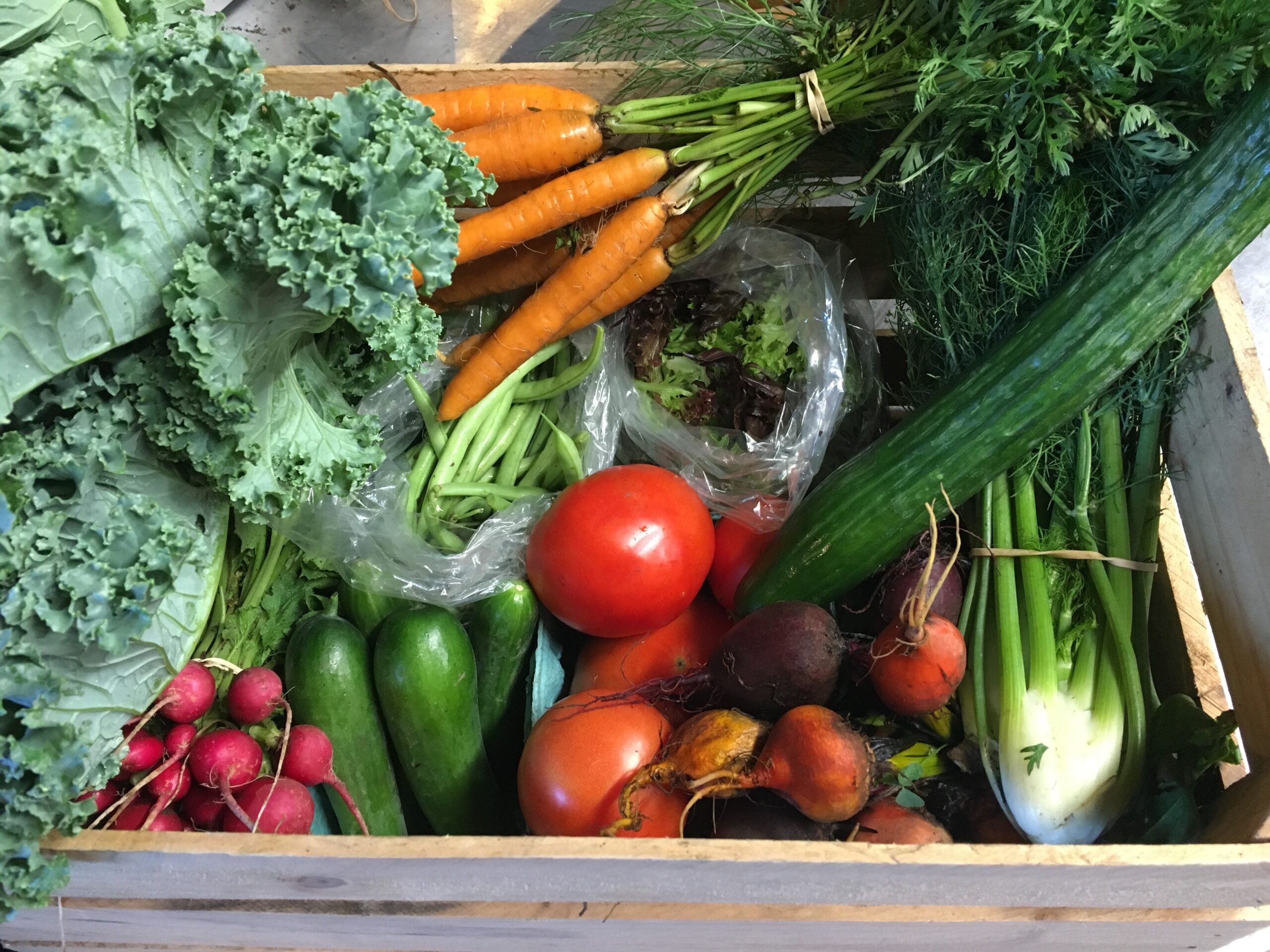
CSA Day Offers Second Chance for New Year’s Resolutions
Celebrate Community-Supported Agriculture on Feb. 22 with Where the Redfearn Grows Natural Farms
Independence, MO February 10, 2019 – Are your New Year’s resolutions already in the rearview mirror? If so, you’re not alone, but you still have time to make good on those resolutions. Where the Redfearn Grows Natural Farms is pleased to join other farms from around the country for the third annual CSA Day on February 22, when you can join other like-minded people around the country who are committed to:
• eating healthful foods and preparing them for their families;
• supporting their local farmer;
• being kind to our planet;
• learning something new; and
• being adventurous in the kitchen.
CSA (community-supported agriculture) is a subscription to a season’s worth of sustainable, locally grown produce that is distributed to members throughout the harvesting season. It is a form of investment that allows small farmers to continue growing on a scale that may not be sustainable without the CSA model. CSA members enjoy the quality of fresh fruits and vegetables for their family, while supporting their local farmer.
According to Small Farm Central’s CSA Farming Annual Report, the most popular time to join a CSA each year is at the end of February. To promote this important time for farmers, CSA Day was coined, and each year it falls on the last Friday in February. It’s an entire day dedicated to the celebration of community-supported agriculture, and CSA farmers enjoy an influx of sign-ups from members, which gives them revenue when they need it most for the growing season.
Getting food from a CSA is different from going to a farmers market or using a grocery delivery service. As a CSA member, you make a seasonal commitment to a small farmer in your area, and the produce is available you pick it up at a local distribution center (Lee’s Summit, MO; Overland Park, KS; or Independence, MO. CSA members take pleasure in knowing where and how their food is grown, and typically have an open line of communication with their farmer.
“Community-supported agriculture is all about relationships and feeding families,” said Simon Huntley, CEO of Small Farm Central, a company that provides marketing support for small farms and started CSA Day. “CSA farmers typically teach members what’s in season throughout the year, and help them appreciate and cook food to which they may not otherwise be exposed.”
How to Get Involved with CSA Day
If you would like to celebrate CSA Day and support Where the Redfearn Grows Natural Farms, sign up for a share on February 22, and use the hashtag #CSAday to join the online conversation.
“Sign-up is easy,” says Sheri Redfearn. “You can learn all about the CSA on our website. This year you can sign up online and only pay a small signup fee up front. The rest of your subscription (a small weekly fee of as little as $16) will be automatically billed each week during the season. Check it out at www.redfearnfarm.com or reach us at sheri@redfearnfarm.com or by phone at 816-457-1223. You can also find us on Facebook.”
CONTACT:
Where the Redfearn Grows Natural Farms
Dave and Sheri Redfearn
26355 E. Bundschu Rd. Independence, MO 64056
www.redfearnfarm.com
816-457-1223
dave@redfearnfarm.com
####