Redfearn Farm CSA 2018- Week 10

For the 10th week of the CSA main season, members with Basic shares will be able to choose 5 items each week and members with Premium will be able to choose 8 items each week. The produce available for the Week 10 are:, Carrots, Kale, Beet bunches, Cucumbers, small snacking type- a box is one whole item, Garlic, (Hardneck “Music”)- 3 is a whole item, can be mixed/ matched with other “Choose 3” items, Summer Squash (Zucchini, patty pan squash), 3 or a box is one item, Cherry Tomatoes and Full Sized Tomatoes , Sweet  Bell Peppers , 3 is a whole item
Half Items (these items can be mixed or matched to equal a whole item): Cucumbers, English (each cucumber is a half-item), Eggplant, Green Onions, Celery bunches, Head lettuce, Arugula, Sweet Yellow Onions and Red Onion boxes (half-item).

Not a member? You can still join here!

Salad mix or Lettuce Heads: Store in plastic bag in the refrigerator. For salad inspiration, look at this: Mesclun Salad with goat cheese, or Chart of Salad Toppings Combinations.

Carrots (Whole Item): Storage suggestion: Separate the tops from the roots, and store separately in the fridge. The tops can be stored in a plastic bag. Place carrots in a containers with lid and cover completely in water. Keep container in the refrigerator, changing the water ever 4-5 days. Carrot top soup is a great way to use the tops (and this recipe uses some carrots also). In addition to just eating raw carrot sticks, carrots can also be roasted, as in this wonderful Roasted Cumin-Lime Carrots recipe.

Kale (Whole Item): store in plastic bag in refrigerator.  Serving suggestions: Add to smoothies, Fall Kale salad , Cookie+ Kate’s Kale Salad with an amazing dressing,  Zuppa Tuscana soup (I usually add a can of tomatoes to this soup and sometimes kidney beans), Kale Pesto (this recipe is served with pasta and roasted butternut squash) and Kale and Butternut squash frittata. To preserve: wash kale, cut off the stems, blanch in boiling water for 30 seconds, then cool in an ice bath, drain well and freeze. Frozen kale can be used in soups, added to casseroles, pasta dishes, or anything that uses cooked kale.

Summer squash: patty pan and zucchini ( 3 squash or a box will count as one item): store in plastic bag in refrigerator. Yellow squash nearly interchangeable with zucchini and is great raw or sautéed, grilled, or baked into zucchini bread (my kids favorite way to eat zucchini!). Raw zucchini/ squash makes a fresh, flavorful salad as in this: Summer Squash Salad with Lemon Citronette. Zucchini (sliced and broiled or pan fried) can take the place of pasta in lasagna. If you want more ideas, you can try Baked Zucchini FriesZucchini Fritters  or Chocolate Zucchini Bread or these main dishes Baked Penne with Roasted Vegetables (this is a great recipe to use a lot of vegetables, including zucchini, yellow squash, eggplant, peppers, onions and garlic),  Cheesy Zucchini Casserole (which we make with shredded sharp cheddar, instead of Velvetta). Here’s a couple other zucchini recipes, recommended by CSA members: Curried Zucchini SoupZucchini TotsSauteed Zucchini with Cherry Tomatoes (don’t overcook the zucchini!), and Zucchini Chocolate Rum Cake. To preserve: Zucchini or Yellow squash can be shredded and frozen to use in Zucchini bread recipes.

Cucumbers : ideally, wrap in “Saran Wrap” and store in refrigerator (our cucumbers are not waxed, so will lose moisture and become rubbery if moisture isn’t preserves). Recipe Ideas: Cucumber infused WaterSmoothies with Cucumbers, Cucumber Salads: Creamy Cucumber Salad with Greek Yogurt and DillCucumber Salad with Garlic and Ginger and even Stir-fried Cucumbers! Pair with tomatoes in an Israeli SaladCucumber, Tomato, and Avocado Salad, Greek Salad and Panzanella Salad. Cucumbers are the base for the Mediterranean sauce, TzatzikiCold Cucumber Soup is also a refreshing way to use cucumbers.

Tomatoes (Whole Item): Ideally, store at room temperature in an open container.

Arugula (Choice Item)store in plastic bag in refrigerator.  This slightly spicy salad green is wonderful in this Roasted Sweet Potato Arugula Salad! Arugula is also wonderful topped with thinly sliced steak, as in this: Skirt Steak Salad with Arugula and Blue Cheese. Combine arugula with pasta in this Goat Cheese and Arugula over Penne  dish. Arugula can also be sautéed in olive oil with some garlic just until wilted. Arugula is great in this Arugula Soup that our whole family enjoys (2 onions can be substituted for the 6 shallots in the recipe, larger potatoes can be used instead of the salad potatoes). Some other ideas are listed in this: Top 5 Uses for Arugula Besides Salad. To preserve: wash arugula, cut off the stems, blanch in boiling water for 30 seconds, then cool in an ice bath, drain well and freeze. Frozen arugula can be used in soups, added to casseroles, pasta dishes, or anything that uses cooked arugula.

Eggplant (Half-Choice Item):Store in plastic bag in the refrigerator, but use quickly, because eggplant doesn’t store well. Eggplant can be sauteed, grilled or roasted.  Some wonderful eggplant recipes (that don’t require salting and draining the eggplant) are No-Fuss Eggplant ParmesanEggplant Parmesan Melts and Smitten Kitchen’s Eggplant Bruschetta (which has a Mediterranean style topping).Here’s a page with detailed instructions about eggplant preparation and recipes: Fine Cooking: How to cook Eggplant. It is great combined with zucchini and tomatoes (such as in Ratatouille). For eggplant recipes from Italy to China, check out these: Global Eggplant Recipes. Moussaka is a greek dish with eggplant. Here is a relatively simple recipe for Moussaka recommended by a CSA member (and also tried and deliciously approved by the Redfearn family). Some chefs suggest salting and draining the prepared (sliced, cubed, etc) eggplant for at least 20-30 minutes before cooking (this takes away any bitterness and also, helps the eggplant to absorb less oil during cooking), but I have gotten away from it the past year.

Sweet Bell Peppers (whole Item):  Store in plastic bag, in refrigerator. Meal idea: sauté sliced candy onions and sweet pepper for a tasty Philly Cheese Sandwich or Fajitas. Stuffed peppers are also a favorite main dish at our house; zucchini/ yellow squash can also be stuffed using the same recipe. Sweet peppers can easily be preserved by freezing and they can be frozen raw, without blanching first. Cut peppers into the desired size: diced for adding to winter casseroles, soups or sauces; sliced for fajitas; or halved (or the tops cut off) to be used for stuffed peppers (also, after freezing there is no need to parboil peppers before stuffing) and freeze in freezer bags.

Swiss Chard (Half Item): Store in plastic bag in the refrigerator. The swiss chard leaves have a very mild flavor similar to spinach. Both the stem and the leaves can be eaten and I usually use both together; chop the stems like you would celery and begin cooking the stems before adding the greens. This is a basic swiss chard recipe: Swiss Chard with Balsamic Vinegar. Our family really likes this Swiss Chard, Sausage, White bean casserole ( I use the stems and leaves of the chard). This Swiss Chard and Ricotta Crostata  is a wonderful recipe, and one of my all-time favorites. Swiss chard leaves can be used just like spinach in my Crustless Spinach Quiche recipe. Swiss chard can also be used in curry, as in these: Saag Paneer (I have used a bunch of swiss chard in place of spinach in this recipe; I washed, then coarsely chopped the chard stems and leaves, and then processed the swiss chard while raw in a food processor) and Curried Lentils and Sweet Potatoes.

Cucumber (HALF Item)store in plastic bag in refrigerator (our cucumbers are not waxed, so will lose moisture and become rubbery if not wrapped). Recipe Ideas: Cucumber infused WaterSmoothies with Cucumbers, Cucumber Salads: Creamy Cucumber Salad with Greek Yogurt and DillCucumber Salad with Garlic and Ginger and even Stir-fried Cucumbers! Pair with tomatoes in an Israeli SaladCucumber, Tomato, and Avocado Salad, Greek Salad and Panzanella Salad. Cucumbers are the base for the Mediterranean sauce, TzatzikiCold Cucumber Soup is also a refreshing way to use cucumbers.

Radishes (HALF Item): Store in plastic bag in refrigerator. Crisp radishes in ice water. Sliced radishes add great flavor to salads. You can also just eat them straight with butter and a sprinkle of salt. There are many variations of radish salads, here are a couple: Radish and Mint Salad , Smitten Kitchen’s chopped salad,  and Radish, Cucumber and Orange Salad. Radishes are milder when roasted or cooked. I cut radishes in half and toss with a little olive oil, salt and pepper and roast at 425F until tender crisp (they can be roasted alongside sweet potatoes or carrots for a nice flavor and color combination).

Green Onions (HALF Item): Store in plastic bag in the refrigerator. Use in lots of Chinese/ other asian recipes (General Tso’s chicken and Korean beef are two Redfearn favorites) chicken salad, egg salad, salad dressing to name a few.

Radishes (Half Item): Store in plastic bag in refrigerator. Crisp radishes in ice water. Sliced radishes add great flavor to salads. You can also just eat them straight with butter and a sprinkle of salt. There are many variations of radish salads, here are a couple: Radish and Mint Salad , Smitten Kitchen’s chopped salad,  and Radish, Cucumber and Orange Salad. Radishes are milder when roasted or cooked. I cut radishes in half and toss with a little olive oil, salt and pepper and roast at 425F until tender crisp (they can be roasted alongside sweet potatoes or carrots for a nice flavor and color combination).

Basil  (Half Item)To keep basil fresh, trim the stems and place them in a glass or jar of water, just like cut flowers. Loosely cover it with a plastic bag and leave it on the counter. Do not refrigerate or basil will darken.Here are some ways to use basil: top sliced tomatoes with chopped basil and olive oil, make Pesto, or use to season Italian dishes, or even in Thai dishes (although it is not authentic Thai basil), such as in this Thai Green Curry Chicken. If you need to preserve basil leaves; it can be pureed with olive oil and frozen (in ice cube trays or small plastic bags. For more detailed instructions for preserving basil, click here. If you need more ideas for how to use basil, check out this link: 34 Basil recipes to carry you through summer.

Green Onions (Half- Choice Item): Store in plastic bag in the refrigerator. Use in lots of Chinese/ other asian recipes (General Tso’s chicken and Korean beef are two Redfearn favorites) chicken salad, egg salad, salad dressing to name a few.

Celery (Half Item): There are many ideas on how to best store celery but it needs to be kept in the fridge and it needs to have it’s moisture preserved. : wrap tightly in Aluminum foil, store in a sealed container with water, or keep in a plastic bag. Don’t throw out the leaves/ scraps, but freeze and use for making homemade vegetable or chicken stock. Use in  soups or in chicken, egg  or potato salad to name a few.

Spicy peppers (Half-Choice item): Jalapeno or Anaheim peppers. Store in plastic bag, in refrigerator. Ideas: Chop and add to salsa, or our new favorite is this Jalapeno Popper Dip. If you want to try water-bath canning, try this Jalapeno Jelly (I’ve used a combination of peppers). Anaheim and poblano peppers can be stuffed, as in these Chicken and Cheese Stuffed Anaheim Peppers, or Black beans and Cheese stuffed Poblano Peppers, or Rice and Beef stuffed Peppers and used as a stuffing in Jalapeno Popper Chicken. Peppers can be frozen; slice or dice and then place in freezer bags, can be used in fajitas, or anywhere you would use cooked peppers (after thawing the peppers are soft).

Sweet Candy Onions (Half- Choice Item):Store in a cool, dry, well ventilated area; in a bowl/ basket on your counter should be fine, but NOT right by Potatoes (Onions produce ethylene, which can cause potatoes to go bad). Here is some inspiration if you need more ideas of how to use onions: 50 Onion Recipes.

Garlic (Half Item):Store in a cool, dry, well ventilated area; in a bowl/ basket on your counter should be fine.

If you would like more recipe ideas, I have a pinterest board devoted to CSA vegetable recipes:  http://www.pinterest.com/sheriredfearn/csa-veggies-recipes/
Redfearn Farm CSA 2018- Week 9

For the 9th week of the CSA main season, members with Basic shares will be able to choose 5 items each week and members with Premium will be able to choose 8 items each week. The produce available for the Week 9 are:Spring Salad Mix, Carrots, Kale, Beet bunches, Cucumbers, small snacking type- a box is one whole item, Garlic, (Hardneck “Music”)- 3 is a whole item, can be mixed/ matched with other “Choose 3” items, Summer Squash (Zucchini, patty pan squash), 3 or a box is one item, Cherry Tomatoes and Full Sized Tomatoes , Sweet  Bell Peppers , 3 is a whole item
Half Items (these items can be mixed or matched to equal a whole item): Cucumbers, English (each cucumber is a half-item), Eggplant, Green Onions, Baby Fennel bunches, Head lettuce, Arugula, Sweet Yellow Onions and Red Onion boxes (half-item).

Not a member? You can still join here!

Salad mix (Whole Item): Store in plastic bag in the refrigerator. For salad inspiration, look at this: Mesclun Salad with goat cheese, or Chart of Salad Toppings Combinations.

Carrots (Whole Item): Storage suggestion: Separate the tops from the roots, and store separately in the fridge. The tops can be stored in a plastic bag. Place carrots in a containers with lid and cover completely in water. Keep container in the refrigerator, changing the water ever 4-5 days. Carrot top soup is a great way to use the tops (and this recipe uses some carrots also). In addition to just eating raw carrot sticks, carrots can also be roasted, as in this wonderful Roasted Cumin-Lime Carrots recipe.

Kale (Whole Item): store in plastic bag in refrigerator.  Serving suggestions: Add to smoothies, Fall Kale salad , Cookie+ Kate’s Kale Salad with an amazing dressing,  Zuppa Tuscana soup (I usually add a can of tomatoes to this soup and sometimes kidney beans), Kale Pesto (this recipe is served with pasta and roasted butternut squash) and Kale and Butternut squash frittata. To preserve: wash kale, cut off the stems, blanch in boiling water for 30 seconds, then cool in an ice bath, drain well and freeze. Frozen kale can be used in soups, added to casseroles, pasta dishes, or anything that uses cooked kale.

Swiss Chard (Whole Item): Store in plastic bag in the refrigerator. The swiss chard leaves have a very mild flavor similar to spinach. Both the stem and the leaves can be eaten and I usually use both together; chop the stems like you would celery and begin cooking the stems before adding the greens. This is a basic swiss chard recipe: Swiss Chard with Balsamic Vinegar. Our family really likes this Swiss Chard, Sausage, White bean casserole ( I use the stems and leaves of the chard). Swiss Chard is a great addition to pasta in this: Rigatoni with Swiss chard and Italian Sausage dish. This Swiss Chard and Ricotta Crostata  is a wonderful recipe, and one of my all-time favorites. Swiss chard leaves can be used just like spinach in my Crustless Spinach Quiche recipe. Swiss chard can also be used in curry, as in these: Saag Paneer (I have used a bunch of swiss chard in place of spinach in this recipe; I washed, then coarsely chopped the chard stems and leaves, and then processed the swiss chard while raw in a food processor) and Curried Lentils and Sweet Potatoes.

Summer squash: patty pan and zucchini ( 3 squash or a box will count as one item): store in plastic bag in refrigerator. Yellow squash nearly interchangeable with zucchini and is great raw or sautéed, grilled, or baked into zucchini bread (my kids favorite way to eat zucchini!). Raw zucchini/ squash makes a fresh, flavorful salad as in this: Summer Squash Salad with Lemon Citronette. Zucchini (sliced and broiled or pan fried) can take the place of pasta in lasagna. If you want more ideas, you can try Baked Zucchini FriesZucchini Fritters  or Chocolate Zucchini Bread or these main dishes Baked Penne with Roasted Vegetables (this is a great recipe to use a lot of vegetables, including zucchini, yellow squash, eggplant, peppers, onions and garlic),  Cheesy Zucchini Casserole (which we make with shredded sharp cheddar, instead of Velvetta). Here’s a couple other zucchini recipes, recommended by CSA members: Curried Zucchini SoupZucchini TotsSauteed Zucchini with Cherry Tomatoes (don’t overcook the zucchini!), and Zucchini Chocolate Rum Cake. To preserve: Zucchini or Yellow squash can be shredded and frozen to use in Zucchini bread recipes.

Cucumbers : ideally, wrap in “Saran Wrap” and store in refrigerator (our cucumbers are not waxed, so will lose moisture and become rubbery if moisture isn’t preserves). Recipe Ideas: Cucumber infused WaterSmoothies with Cucumbers, Cucumber Salads: Creamy Cucumber Salad with Greek Yogurt and DillCucumber Salad with Garlic and Ginger and even Stir-fried Cucumbers! Pair with tomatoes in an Israeli SaladCucumber, Tomato, and Avocado Salad, Greek Salad and Panzanella Salad. Cucumbers are the base for the Mediterranean sauce, TzatzikiCold Cucumber Soup is also a refreshing way to use cucumbers.

Tomatoes (Whole Item): Ideally, store at room temperature in an open container.

Green Onions (HALF Item): Store in plastic bag in the refrigerator. Use in lots of Chinese/ other asian recipes (General Tso’s chicken and Korean beef are two Redfearn favorites) chicken salad, egg salad, salad dressing to name a few.

Cilantro (HALF Item): Wrap cilantro in a damp paper towel and then put it in a plastic bag in refrigerator. Alternatively, place in a  jar of water (like cut flowers) loosely covered with a plastic bag in the refrigerator.

Eggplant (Half-Choice Item):Store in plastic bag in the refrigerator, but use quickly, because eggplant doesn’t store well. Eggplant can be sauteed, grilled or roasted.  Some wonderful eggplant recipes (that don’t require salting and draining the eggplant) are No-Fuss Eggplant ParmesanEggplant Parmesan Melts and Smitten Kitchen’s Eggplant Bruschetta (which has a Mediterranean style topping).Here’s a page with detailed instructions about eggplant preparation and recipes: Fine Cooking: How to cook Eggplant. It is great combined with zucchini and tomatoes (such as in Ratatouille). For eggplant recipes from Italy to China, check out these: Global Eggplant Recipes. Moussaka is a greek dish with eggplant. Here is a relatively simple recipe for Moussaka recommended by a CSA member (and also tried and deliciously approved by the Redfearn family). Some chefs suggest salting and draining the prepared (sliced, cubed, etc) eggplant for at least 20-30 minutes before cooking (this takes away any bitterness and also, helps the eggplant to absorb less oil during cooking), but I have gotten away from it the past year.

Garlic (Half Item):Store in a cool, dry, well ventilated area; in a bowl/ basket on your counter should be fine.

If you would like more recipe ideas, I have a pinterest board devoted to CSA vegetable recipes:  http://www.pinterest.com/sheriredfearn/csa-veggies-recipes/
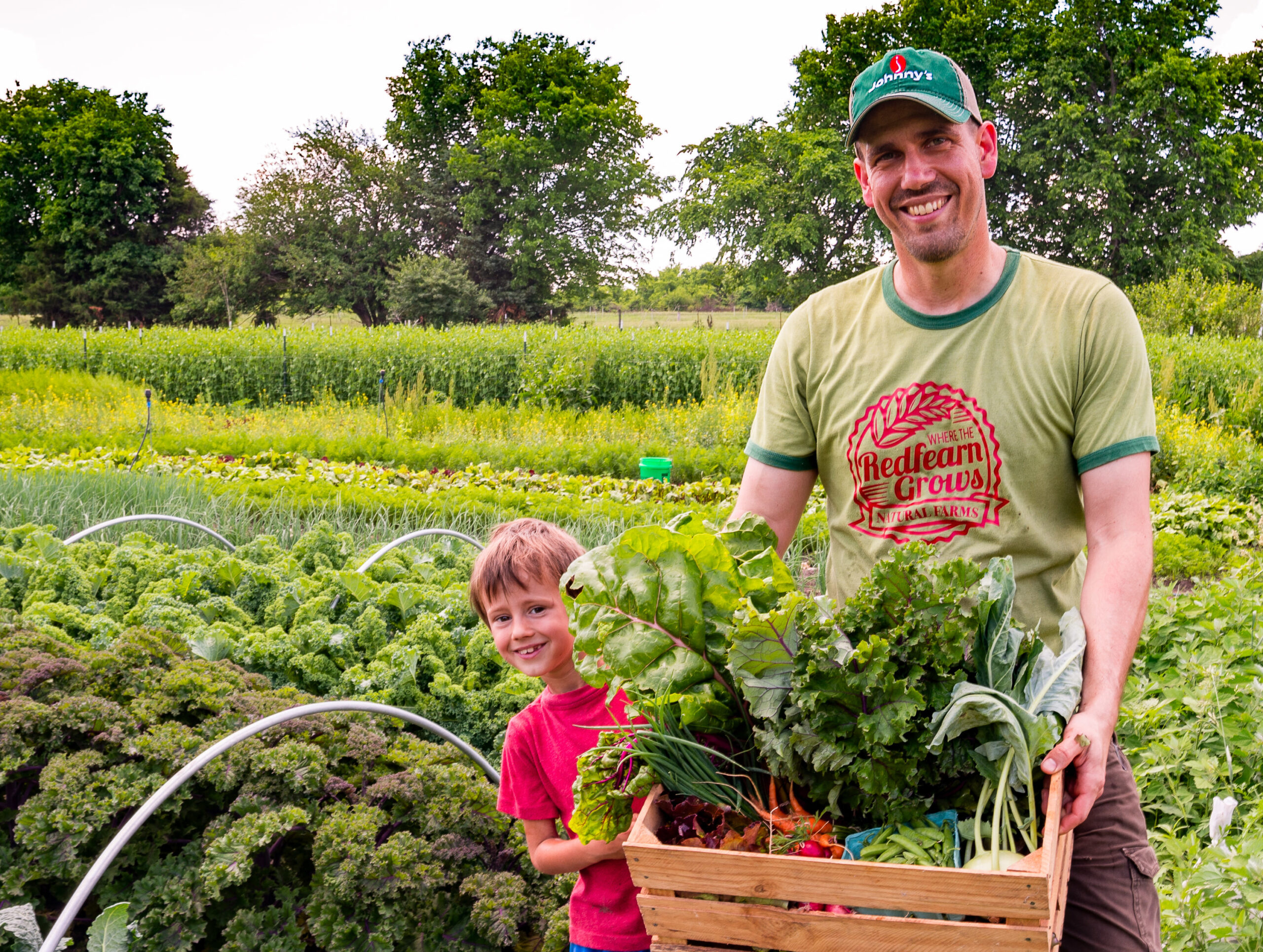
10 Reasons why Redfearn Farm CSA is for You!

Where the Redfearn Grows Natural Farms was founded with the belief that natural ecosystems hold within them the keys to growing healthy food. We believe in cooperation with nature rather than the subjugation of it. We bring ancient organic agricultural wisdom and modern biological research together to develop growing practices for our community supported agriculture program (CSA) that mimic naturally-occurring processes.  The result is healthier food and a healthier environment. For all produce grown for our Kansas City area community supported agriculture program we reject the use of: chemical pesticides, herbicides, fertilizers or GMO seeds. We aim to protect biodiversity, build organic matter in the soil, prevent pollution, reduce waste, and conserve resources on our Independence Missouri farm. The health of our family, our customers and our environment is of critical importance to us. That is why preserving natural practices in growing the produce we provide to our Kansas City area CSA members is part of who we are.

Redfearn Farm-32So if you want to eat local and eat healthy, joining Where the Redfearn Grows Natural Farms CSA Membership Plan is the perfect way to boost your intake of healthy foods sustainably grown by your neighborhood farmers.  The CSA is a membership plan that allows you to share in the produce from our Independence, MO family farm.  In effect, by joining the CSA you are joining into a very large home-grown organic vegetable garden–A garden managed without the use of harmful chemical pesticides or herbicides, and one that requires far less of your time and yields far more variety than if you were to put in your own garden.  We offer two different membership levels to meet the needs of your household.   The Basic Share  allows you to choose 5 different types of vegetables or 20-25 servings per week.   The Premium Share includes allows you to choose 8 different types of vegetables or 32 – 40 servings per week.

So why join our CSA program?

  • When you join our CSA you’ll receive a steady stream of fresh vegetables for 26 weeks.  May 11th to November 4th.  Our members tell us that this weekly burst of delicious produce in their kitchen helps them to eat more vegetables and to build more balanced meals.  And you don’t have to stop with the end of this CSA season.  Our farm produces amazing vegetables all year long!  We have options to extend into the late fall and we even offer a winter CSA so you can satisfy that urge for tasty greens even in bitterly cold February.
  • Freedom to Choose. Where the Redfearn Grows Natural Farms CSA allows you complete freedom to customize the contents of your box.  Each week we set out everything we’ve harvested for the week with items labeled whole items or half items.  You choose what you want, mixing and matching whole and half items to reach your total number of items.   Read more here about how our CSA works.
  • Seasonal Eating. CSA members truly eat with the seasons, enjoying fresh leafy greens throughout the summer, tomatoes in July, and hearty roots and sturdy greens in the fall. We have tomatoes, peppers, onions, potatoes, lettuce, green onions, kale, bok choy, fennel, radish, garlic, green beans, dill, cilantro, basil, celery and much more right now, and we look forward to the fall crops like broccolini, cabbage, sweet potatoes, turmeric, ginger, daikon radish, turnips, kohlrabi and more. Our seasonal produce is picked at the height of freshness, yielding the highest nutritional content.
  • Fresh, fresh, fresh. When you join our CSA your vegetables will come from the field to your table within a couple days, allowing you to serve your family the freshest food possible.
  • Meal Planning. CSA vegetables provide a healthy base for weekly meal planning. With every CSA Share we include meal ideas, recipes, and general prep and storage tips. Eating healthy becomes easy and routine. Click Here view a sample weekly email.
  • No Need to Pay All Upfront.  Most CSA’s require full payment before the season begins, but with our CSA you can pay by the week.  Our CSA shares break down to a very low cost per week.  Members boxes include more than the retail value each week, giving our members access to fresh, healthy food at a resonable price. You pay only $16 or $24 per week.
  • Exposure to new foods. We grow a lot of crops that are familiar to most people.  Most weeks you’ll have the option to choose an item or two that might be new to you, try them right along with your favorite foods. This is also a great way to get kids trying new foods from the start, make trying new foods a fun and regular occurrence!
  • Connection to your Food and Farmers.  You’ll get a chance to meet your farmers and understand what went into the food on your table.  You’ll be seeing us and our kids each week when you pick up your shares either at the farm, the Overland Park Farmer’s Market or the Lee’s Summit Farmer’s Market.  Members love bringing their kids to feed the chickens and enjoy the outdoors.  If you want to get your hands dirty, we offer opportunities to work along side us to bring in the harvest.
  • Our farm serves a large area of Kansas City.  We have pick up locations at the Independence farm, Overland Park and the Lee’s Summit Farmer’s Market.
  • You’ll be doing your part to support local organic agriculture!

Click Here to check out your CSA membership options.

Sign up now!  The CSA starts May 11th.

Questions about joining our CSA? Call us – 816-457-1223 or email us at sheri@redfearnfarm.com. or find us on Facebook

Redfearn Farm CSA 2018- Week 6

For the 6th week of the CSA main season, members with Basic shares will be able to choose 5 items each week and members with Premium will be able to choose 8 items each week. The produce available for the Week 6 are:Green Beans, Spring Salad Mix, Carrot bunches with tops, Kale, Swiss Chard, Beet bunches, Cucumbers, small snacking type- a box is one whole item, Garlic, (Hardneck “Music”)- 3 is a whole item, can be mixed/ matched with other “Choose 3” items, Summer Squash (Zucchini, patty pan squash), 3 or a box is one item, Cherry Tomatoes and Full Sized Tomatoes (Premium shares can take two tomato items this week!) , Sweet Green Bell Peppers (still limited quantity), 3 is a whole item
Half Items (these items can be mixed or matched to equal a whole item): Cucumbers, English (each cucumber is a half-item), Eggplant, Kohlrabi bulb , Green Onions, Baby Fennel bunches, Bok Choy , Radishes, Head lettuce, Arugula, Red Onion boxes (half-item)

Not a member? You can still join here!

Green Beans (whole item): store in plastic bag in refrigerator. Basic cooking instructions: trim the stem end off and leave beans whole or snap into shorter pieces. Heat a pot of salted water to boiling, add beans, and boil 2 to 4 minutes, until almost tender- crisp. Drain beans very well (if you will be finishing the beans later, cool the bean beans to prevent further cooking, beans can also be frozen at this point). Heat butter and olive oil in a skillet (about 1 T each, can be increased or decreased to taste) over medium heat, add beans and salt and pepper to taste, and stir until tender, toward the end of cooking add 1 or 2 cloves garlic (chopped) if desired. Additions: crumbled bacon, toasted slivered almonds, stirred into the beans after cooking. Also, these Roasted Green Beans are great.

Salad mix (Whole Item): Store in plastic bag in the refrigerator. For salad inspiration, look at this: Mesclun Salad with goat cheese, or Chart of Salad Toppings Combinations.

Carrots (Whole Item): Storage suggestion: Separate the tops from the roots, and store separately in the fridge. The tops can be stored in a plastic bag. Place carrots in a containers with lid and cover completely in water. Keep container in the refrigerator, changing the water ever 4-5 days. Carrot top soup is a great way to use the tops (and this recipe uses some carrots also). In addition to just eating raw carrot sticks, carrots can also be roasted, as in this wonderful Roasted Cumin-Lime Carrots recipe.

Kale (Whole Item): store in plastic bag in refrigerator.  Serving suggestions: Add to smoothies, Fall Kale salad , Cookie+ Kate’s Kale Salad with an amazing dressing,  Zuppa Tuscana soup (I usually add a can of tomatoes to this soup and sometimes kidney beans), Kale Pesto (this recipe is served with pasta and roasted butternut squash) and Kale and Butternut squash frittata. To preserve: wash kale, cut off the stems, blanch in boiling water for 30 seconds, then cool in an ice bath, drain well and freeze. Frozen kale can be used in soups, added to casseroles, pasta dishes, or anything that uses cooked kale.

Swiss Chard (Whole Item): Store in plastic bag in the refrigerator. The swiss chard leaves have a very mild flavor similar to spinach. Both the stem and the leaves can be eaten and I usually use both together; chop the stems like you would celery and begin cooking the stems before adding the greens. This is a basic swiss chard recipe: Swiss Chard with Balsamic Vinegar. Our family really likes this Swiss Chard, Sausage, White bean casserole ( I use the stems and leaves of the chard). Swiss Chard is a great addition to pasta in this: Rigatoni with Swiss chard and Italian Sausage dish. This Swiss Chard and Ricotta Crostata  is a wonderful recipe, and one of my all-time favorites. Swiss chard leaves can be used just like spinach in my Crustless Spinach Quiche recipe. Swiss chard can also be used in curry, as in these: Saag Paneer (I have used a bunch of swiss chard in place of spinach in this recipe; I washed, then coarsely chopped the chard stems and leaves, and then processed the swiss chard while raw in a food processor) and Curried Lentils and Sweet Potatoes.

Summer squash: patty pan and zucchini ( 3 squash or a box will count as one item): store in plastic bag in refrigerator. Yellow squash nearly interchangeable with zucchini and is great raw or sautéed, grilled, or baked into zucchini bread (my kids favorite way to eat zucchini!). Raw zucchini/ squash makes a fresh, flavorful salad as in this: Summer Squash Salad with Lemon Citronette. Zucchini (sliced and broiled or pan fried) can take the place of pasta in lasagna. If you want more ideas, you can try Baked Zucchini FriesZucchini Fritters  or Chocolate Zucchini Bread or these main dishes Baked Penne with Roasted Vegetables (this is a great recipe to use a lot of vegetables, including zucchini, yellow squash, eggplant, peppers, onions and garlic),  Cheesy Zucchini Casserole (which we make with shredded sharp cheddar, instead of Velvetta). Here’s a couple other zucchini recipes, recommended by CSA members: Curried Zucchini SoupZucchini TotsSauteed Zucchini with Cherry Tomatoes (don’t overcook the zucchini!), and Zucchini Chocolate Rum Cake. To preserve: Zucchini or Yellow squash can be shredded and frozen to use in Zucchini bread recipes.

Cucumbers store in plastic bag in refrigerator (our cucumbers are not waxed, so will lose moisture and become rubbery if not wrapped). Recipe Ideas: Cucumber infused WaterSmoothies with Cucumbers, Cucumber Salads: Creamy Cucumber Salad with Greek Yogurt and DillCucumber Salad with Garlic and Ginger and even Stir-fried Cucumbers! Pair with tomatoes in an Israeli SaladCucumber, Tomato, and Avocado Salad, Greek Salad and Panzanella Salad. Cucumbers are the base for the Mediterranean sauce, TzatzikiCold Cucumber Soup is also a refreshing way to use cucumbers.

Tomatoes (Whole Item): Ideally, store at room temperature in an open container.

Radishes (HALF Item): Store in plastic bag in refrigerator. Crisp radishes in ice water. Sliced radishes add great flavor to salads. You can also just eat them straight with butter and a sprinkle of salt. There are many variations of radish salads, here are a couple: Radish and Mint Salad , Smitten Kitchen’s chopped salad,  and Radish, Cucumber and Orange Salad. Radishes are milder when roasted or cooked. I cut radishes in half and toss with a little olive oil, salt and pepper and roast at 425F until tender crisp (they can be roasted alongside sweet potatoes or carrots for a nice flavor and color combination).

Green Onions (HALF Item): Store in plastic bag in the refrigerator. Use in lots of Chinese/ other asian recipes (General Tso’s chicken and Korean beef are two Redfearn favorites) chicken salad, egg salad, salad dressing to name a few.

Cilantro (HALF Item): Wrap cilantro in a damp paper towel and then put it in a plastic bag in refrigerator. Alternatively, place in a  jar of water (like cut flowers) loosely covered with a plastic bag in the refrigerator.

Kohlrabi (HALF Item): Both the leaves and the bulbous stem (the round part) are edible. The bulbous part can last for a couple weeks in the fridge, but the greens should be use within a couple days, both should be stored in plastic bags in the refrigerator . The bulb should be peeled by cutting off a thin slice on the top and bottom of the bulb and using a paring knife to cut the skin off the kohlrabi bulb.Here is a link with recipes using the kohlrabi bulb and greens, including one of our favorites, the kohlrabi patties: Kohlrabi Recipes. A simple preparation of kohlrabi is Butter- braised Kohlrabi: Peel kohlrabi, and thinly slice (1/8 to 1/4 inch thick) and cook in a skillet with butter and olive oil and salt and pepper, add about 1/2 cup of chicken broth, cover the skillet and cook, stirring occasionally, until tender. Optional: Cream can be added at the end. Eaten raw, kohlrabi is fresh, crisp, and the ideal ingredient for a summer slaw, such as this Kohlrabi and Carrot slaw or in this excellent Kohlrabi- Apple Salad!

Eggplant (Half-Choice Item):Store in plastic bag in the refrigerator, but use quickly, because eggplant doesn’t store well. Eggplant can be sauteed, grilled or roasted.  Some wonderful eggplant recipes (that don’t require salting and draining the eggplant) are No-Fuss Eggplant ParmesanEggplant Parmesan Melts and Smitten Kitchen’s Eggplant Bruschetta (which has a Mediterranean style topping).Here’s a page with detailed instructions about eggplant preparation and recipes: Fine Cooking: How to cook Eggplant. It is great combined with zucchini and tomatoes (such as in Ratatouille). For eggplant recipes from Italy to China, check out these: Global Eggplant Recipes. Moussaka is a greek dish with eggplant. Here is a relatively simple recipe for Moussaka recommended by a CSA member (and also tried and deliciously approved by the Redfearn family). Some chefs suggest salting and draining the prepared (sliced, cubed, etc) eggplant for at least 20-30 minutes before cooking (this takes away any bitterness and also, helps the eggplant to absorb less oil during cooking), but I have gotten away from it the past year.

Garlic (Half Item):Store in a cool, dry, well ventilated area; in a bowl/ basket on your counter should be fine.

If you would like more recipe ideas, I have a pinterest board devoted to CSA vegetable recipes:  http://www.pinterest.com/sheriredfearn/csa-veggies-recipes/

Redfearn Farm CSA 2018- Week 5

For the 5th week of the CSA main season, members with Basic shares will be able to choose 5 items each week and members with Premium will be able to choose 8 items each week. The produce available for the Week 5 are:Green Beans, Spring Salad Mix, Carrot bunches with tops, Kale, Swiss Chard, Beet bunches, Cucumbers, small snacking type- a box is one whole item, Garlic, (Hardneck “Music”)- 3 is a whole item, can be mixed/ matched with other “Choose 3” items, Summer Squash (Zucchini, patty pan squash), 3 or a box is one item, Cherry Tomatoes and Full Sized Tomatoes (Premium shares can take two tomato items this week!) , Sweet Green Bell Peppers (still limited quantity), 3 is a whole item
Half Items (these items can be mixed or matched to equal a whole item): Cucumbers, English (each cucumber is a half-item), Eggplant, Kohlrabi bulb , Green Onions, Baby Fennel bunches, Bok Choy , Radishes, Head lettuce, Arugula, Red Onion boxes (half-item)

Not a member? You can still join here!

Green Beans (whole item): store in plastic bag in refrigerator. Basic cooking instructions: trim the stem end off and leave beans whole or snap into shorter pieces. Heat a pot of salted water to boiling, add beans, and boil 2 to 4 minutes, until almost tender- crisp. Drain beans very well (if you will be finishing the beans later, cool the bean beans to prevent further cooking, beans can also be frozen at this point). Heat butter and olive oil in a skillet (about 1 T each, can be increased or decreased to taste) over medium heat, add beans and salt and pepper to taste, and stir until tender, toward the end of cooking add 1 or 2 cloves garlic (chopped) if desired. Additions: crumbled bacon, toasted slivered almonds, stirred into the beans after cooking. Also, these Roasted Green Beans are great.

Salad mix (Whole Item): Store in plastic bag in the refrigerator. For salad inspiration, look at this: Mesclun Salad with goat cheese, or Chart of Salad Toppings Combinations.

Carrots (Whole Item): Storage suggestion: Separate the tops from the roots, and store separately in the fridge. The tops can be stored in a plastic bag. Place carrots in a containers with lid and cover completely in water. Keep container in the refrigerator, changing the water ever 4-5 days. Carrot top soup is a great way to use the tops (and this recipe uses some carrots also). In addition to just eating raw carrot sticks, carrots can also be roasted, as in this wonderful Roasted Cumin-Lime Carrots recipe.

Kale (Whole Item): store in plastic bag in refrigerator.  Serving suggestions: Add to smoothies, Fall Kale salad , Cookie+ Kate’s Kale Salad with an amazing dressing,  Zuppa Tuscana soup (I usually add a can of tomatoes to this soup and sometimes kidney beans), Kale Pesto (this recipe is served with pasta and roasted butternut squash) and Kale and Butternut squash frittata. To preserve: wash kale, cut off the stems, blanch in boiling water for 30 seconds, then cool in an ice bath, drain well and freeze. Frozen kale can be used in soups, added to casseroles, pasta dishes, or anything that uses cooked kale.

Swiss Chard (Whole Item): Store in plastic bag in the refrigerator. The swiss chard leaves have a very mild flavor similar to spinach. Both the stem and the leaves can be eaten and I usually use both together; chop the stems like you would celery and begin cooking the stems before adding the greens. This is a basic swiss chard recipe: Swiss Chard with Balsamic Vinegar. Our family really likes this Swiss Chard, Sausage, White bean casserole ( I use the stems and leaves of the chard). Swiss Chard is a great addition to pasta in this: Rigatoni with Swiss chard and Italian Sausage dish. This Swiss Chard and Ricotta Crostata  is a wonderful recipe, and one of my all-time favorites. Swiss chard leaves can be used just like spinach in my Crustless Spinach Quiche recipe. Swiss chard can also be used in curry, as in these: Saag Paneer (I have used a bunch of swiss chard in place of spinach in this recipe; I washed, then coarsely chopped the chard stems and leaves, and then processed the swiss chard while raw in a food processor) and Curried Lentils and Sweet Potatoes.

Summer squash: patty pan and zucchini ( 3 squash or a box will count as one item): store in plastic bag in refrigerator. Yellow squash nearly interchangeable with zucchini and is great raw or sautéed, grilled, or baked into zucchini bread (my kids favorite way to eat zucchini!). Raw zucchini/ squash makes a fresh, flavorful salad as in this: Summer Squash Salad with Lemon Citronette. Zucchini (sliced and broiled or pan fried) can take the place of pasta in lasagna. If you want more ideas, you can try Baked Zucchini FriesZucchini Fritters  or Chocolate Zucchini Bread or these main dishes Baked Penne with Roasted Vegetables (this is a great recipe to use a lot of vegetables, including zucchini, yellow squash, eggplant, peppers, onions and garlic),  Cheesy Zucchini Casserole (which we make with shredded sharp cheddar, instead of Velvetta). Here’s a couple other zucchini recipes, recommended by CSA members: Curried Zucchini SoupZucchini TotsSauteed Zucchini with Cherry Tomatoes (don’t overcook the zucchini!), and Zucchini Chocolate Rum Cake. To preserve: Zucchini or Yellow squash can be shredded and frozen to use in Zucchini bread recipes.

Cucumbers store in plastic bag in refrigerator (our cucumbers are not waxed, so will lose moisture and become rubbery if not wrapped). Recipe Ideas: Cucumber infused WaterSmoothies with Cucumbers, Cucumber Salads: Creamy Cucumber Salad with Greek Yogurt and DillCucumber Salad with Garlic and Ginger and even Stir-fried Cucumbers! Pair with tomatoes in an Israeli SaladCucumber, Tomato, and Avocado Salad, Greek Salad and Panzanella Salad. Cucumbers are the base for the Mediterranean sauce, TzatzikiCold Cucumber Soup is also a refreshing way to use cucumbers.

Tomatoes (Whole Item): Ideally, store at room temperature in an open container.

Radishes (HALF Item): Store in plastic bag in refrigerator. Crisp radishes in ice water. Sliced radishes add great flavor to salads. You can also just eat them straight with butter and a sprinkle of salt. There are many variations of radish salads, here are a couple: Radish and Mint Salad , Smitten Kitchen’s chopped salad,  and Radish, Cucumber and Orange Salad. Radishes are milder when roasted or cooked. I cut radishes in half and toss with a little olive oil, salt and pepper and roast at 425F until tender crisp (they can be roasted alongside sweet potatoes or carrots for a nice flavor and color combination).

Green Onions (HALF Item): Store in plastic bag in the refrigerator. Use in lots of Chinese/ other asian recipes (General Tso’s chicken and Korean beef are two Redfearn favorites) chicken salad, egg salad, salad dressing to name a few.

Cilantro (HALF Item): Wrap cilantro in a damp paper towel and then put it in a plastic bag in refrigerator. Alternatively, place in a  jar of water (like cut flowers) loosely covered with a plastic bag in the refrigerator.

Kohlrabi (HALF Item): Both the leaves and the bulbous stem (the round part) are edible. The bulbous part can last for a couple weeks in the fridge, but the greens should be use within a couple days, both should be stored in plastic bags in the refrigerator . The bulb should be peeled by cutting off a thin slice on the top and bottom of the bulb and using a paring knife to cut the skin off the kohlrabi bulb.Here is a link with recipes using the kohlrabi bulb and greens, including one of our favorites, the kohlrabi patties: Kohlrabi Recipes. A simple preparation of kohlrabi is Butter- braised Kohlrabi: Peel kohlrabi, and thinly slice (1/8 to 1/4 inch thick) and cook in a skillet with butter and olive oil and salt and pepper, add about 1/2 cup of chicken broth, cover the skillet and cook, stirring occasionally, until tender. Optional: Cream can be added at the end. Eaten raw, kohlrabi is fresh, crisp, and the ideal ingredient for a summer slaw, such as this Kohlrabi and Carrot slaw or in this excellent Kohlrabi- Apple Salad!

Eggplant (Half-Choice Item):Store in plastic bag in the refrigerator, but use quickly, because eggplant doesn’t store well. Eggplant can be sauteed, grilled or roasted.  Some wonderful eggplant recipes (that don’t require salting and draining the eggplant) are No-Fuss Eggplant ParmesanEggplant Parmesan Melts and Smitten Kitchen’s Eggplant Bruschetta (which has a Mediterranean style topping).Here’s a page with detailed instructions about eggplant preparation and recipes: Fine Cooking: How to cook Eggplant. It is great combined with zucchini and tomatoes (such as in Ratatouille). For eggplant recipes from Italy to China, check out these: Global Eggplant Recipes. Moussaka is a greek dish with eggplant. Here is a relatively simple recipe for Moussaka recommended by a CSA member (and also tried and deliciously approved by the Redfearn family). Some chefs suggest salting and draining the prepared (sliced, cubed, etc) eggplant for at least 20-30 minutes before cooking (this takes away any bitterness and also, helps the eggplant to absorb less oil during cooking), but I have gotten away from it the past year.


Garlic (Half Item):Store in a cool, dry, well ventilated area; in a bowl/ basket on your counter should be fine.

If you would like more recipe ideas, I have a pinterest board devoted to CSA vegetable recipes:  http://www.pinterest.com/sheriredfearn/csa-veggies-recipes/
Redfearn Farm CSA 2018- Week 4

For the 4th week of the CSA main season, members with Basic shares will be able to choose 5 items each week and members with Premium will be able to choose 8 items each week. The produce available for the Week 4 are: Green Beans,  Spring Salad Mix, Carrot bunches with tops, Zucchini/ Patty Pan Squash, Curly Kale, Swiss Chard, Beet bunches and Snacker Cucumbers and “Half” items: English Cucumber, Baby Fennel bunches,  Radishes, Kohlrabi bulb and Green Onion bunches.

Not a member? You can still join here!

Green Beans (whole item): store in plastic bag in refrigerator. Basic cooking instructions: trim the stem end off and leave beans whole or snap into shorter pieces. Heat a pot of salted water to boiling, add beans, and boil 2 to 4 minutes, until almost tender- crisp. Drain beans very well (if you will be finishing the beans later, cool the bean beans to prevent further cooking, beans can also be frozen at this point). Heat butter and olive oil in a skillet (about 1 T each, can be increased or decreased to taste) over medium heat, add beans and salt and pepper to taste, and stir until tender, toward the end of cooking add 1 or 2 cloves garlic (chopped) if desired. Additions: crumbled bacon, toasted slivered almonds, stirred into the beans after cooking. Also, these Roasted Green Beans are great.

Salad mix (Whole Item): Store in plastic bag in the refrigerator. For salad inspiration, look at this: Mesclun Salad with goat cheese, or Chart of Salad Toppings Combinations.

Carrots (Whole Item): Storage suggestion: Separate the tops from the roots, and store separately in the fridge. The tops can be stored in a plastic bag. Place carrots in a containers with lid and cover completely in water. Keep container in the refrigerator, changing the water ever 4-5 days. Carrot top soup is a great way to use the tops (and this recipe uses some carrots also). In addition to just eating raw carrot sticks, carrots can also be roasted, as in this wonderful Roasted Cumin-Lime Carrots recipe.

Kale (Whole Item): store in plastic bag in refrigerator.  Serving suggestions: Add to smoothies, Fall Kale salad , Cookie+ Kate’s Kale Salad with an amazing dressing,  Zuppa Tuscana soup (I usually add a can of tomatoes to this soup and sometimes kidney beans), Kale Pesto (this recipe is served with pasta and roasted butternut squash) and Kale and Butternut squash frittata. To preserve: wash kale, cut off the stems, blanch in boiling water for 30 seconds, then cool in an ice bath, drain well and freeze. Frozen kale can be used in soups, added to casseroles, pasta dishes, or anything that uses cooked kale.

Summer squash: patty pan and zucchini ( 3 squash or a box will count as one item): store in plastic bag in refrigerator. Yellow squash nearly interchangeable with zucchini and is great raw or sautéed, grilled, or baked into zucchini bread (my kids favorite way to eat zucchini!). Raw zucchini/ squash makes a fresh, flavorful salad as in this: Summer Squash Salad with Lemon Citronette. Zucchini (sliced and broiled or pan fried) can take the place of pasta in lasagna. If you want more ideas, you can try Baked Zucchini FriesZucchini Fritters  or Chocolate Zucchini Bread or these main dishes Baked Penne with Roasted Vegetables (this is a great recipe to use a lot of vegetables, including zucchini, yellow squash, eggplant, peppers, onions and garlic),  Cheesy Zucchini Casserole (which we make with shredded sharp cheddar, instead of Velvetta). Here’s a couple other zucchini recipes, recommended by CSA members: Curried Zucchini SoupZucchini TotsSauteed Zucchini with Cherry Tomatoes (don’t overcook the zucchini!), and Zucchini Chocolate Rum Cake. To preserve: Zucchini or Yellow squash can be shredded and frozen to use in Zucchini bread recipes.

Cucumbers store in plastic bag in refrigerator (our cucumbers are not waxed, so will lose moisture and become rubbery if not wrapped). Recipe Ideas: Cucumber infused WaterSmoothies with Cucumbers, Cucumber Salads: Creamy Cucumber Salad with Greek Yogurt and DillCucumber Salad with Garlic and Ginger and even Stir-fried Cucumbers! Pair with tomatoes in an Israeli SaladCucumber, Tomato, and Avocado Salad, Greek Salad and Panzanella Salad. Cucumbers are the base for the Mediterranean sauce, TzatzikiCold Cucumber Soup is also a refreshing way to use cucumbers.

Tomatoes (Whole Item): Ideally, store at room temperature in an open container.

Dill (HALF Item): Store in plastic bag or in a cup of water in refrigerator.

Cilantro (HALF Item): Store in plastic bag or in a cup of water in refrigerator.

Basil (HALF Item): Store in a cup of water at room temperature like cut flowers (trim ends first).

Radishes (HALF Item): Store in plastic bag in refrigerator. Crisp radishes in ice water. Sliced radishes add great flavor to salads. You can also just eat them straight with butter and a sprinkle of salt. There are many variations of radish salads, here are a couple: Radish and Mint Salad , Smitten Kitchen’s chopped salad,  and Radish, Cucumber and Orange Salad. Radishes are milder when roasted or cooked. I cut radishes in half and toss with a little olive oil, salt and pepper and roast at 425F until tender crisp (they can be roasted alongside sweet potatoes or carrots for a nice flavor and color combination).

Green Onions (HALF Item): Store in plastic bag in the refrigerator. Use in lots of Chinese/ other asian recipes (General Tso’s chicken and Korean beef are two Redfearn favorites) chicken salad, egg salad, salad dressing to name a few.

Cilantro (HALF Item): Wrap cilantro in a damp paper towel and then put it in a plastic bag in refrigerator. Alternatively, place in a  jar of water (like cut flowers) loosely covered with a plastic bag in the refrigerator.

Kohlrabi (HALF Item): Both the leaves and the bulbous stem (the round part) are edible. The bulbous part can last for a couple weeks in the fridge, but the greens should be use within a couple days, both should be stored in plastic bags in the refrigerator . The bulb should be peeled by cutting off a thin slice on the top and bottom of the bulb and using a paring knife to cut the skin off the kohlrabi bulb.Here is a link with recipes using the kohlrabi bulb and greens, including one of our favorites, the kohlrabi patties: Kohlrabi Recipes. A simple preparation of kohlrabi is Butter- braised Kohlrabi: Peel kohlrabi, and thinly slice (1/8 to 1/4 inch thick) and cook in a skillet with butter and olive oil and salt and pepper, add about 1/2 cup of chicken broth, cover the skillet and cook, stirring occasionally, until tender. Optional: Cream can be added at the end. Eaten raw, kohlrabi is fresh, crisp, and the ideal ingredient for a summer slaw, such as this Kohlrabi and Carrot slaw or in this excellent Kohlrabi- Apple Salad!

Garlic Scapes (HALF Item): Store in plastic bag in the refrigerator. Garlic Scapes are the flower bud of the garlic plant. The bud is removed to encourage the bulbs to thicken up. Scapes taste just like garlic. They can be used the same way as garlic in nearly any recipe. On thicker scapes, snap off the woody end (in the same way you would snap asparagus). Try them in a sauté, roasted, pickled, added to soups, and more. The most tender tops of the stem and the buds are delicious chopped up raw. To preserve: Chop the scapes in a food processor, add to jars and cover with olive oil. Save this in the fridge for up to a year, sometimes add more oil to keep it covered. Use on salads, baste on meats and vegetables for grilling, garlic bread, anything your imagination can think of. You can also freeze cubes of this in a ice cube tray then put in a zip lock bag and keep frozen.

A site highlighting many ways to serve garlic scapes; including a garlic scape pesto recipe: What to do with Garlic Scapes (Note: my family made the Garlic Scape Pesto from this link, using sunflower seeds instead of pine nuts, and it was wonderful (and very garlicky!).

Garlic Scape and White Bean Hummus

1/3 cup sliced scapes
1 T lemon juice
1/2 tsp sea salt
ground black pepper
1 can (15 oz.) cannelloni beans, rinsed and drained
1/4 cup olive oil

In a food processor, process scapes with lemon juice, salt and pepper until finely chopped. Add beans and process to a rough puree. With motor running, slowly drizzle olive oil through feed tube and process until fairly smooth. Pulse in 2 or 3 T water, or more, until mixture is the consistency of a dip.

If you would like more recipe ideas, I have a pinterest board devoted to CSA vegetable recipes:  http://www.pinterest.com/sheriredfearn/csa-veggies-recipes/

Redfearn Farm CSA 2018- Week 3

For the 3rd week of the CSA main season, members with Basic shares will be able to choose 5 items each week and members with Premium will be able to choose 8 items each week. The produce available for the Week 3 are: Green Beans Spring Salad Mix, Carrot bunches with tops, Zucchini/ Patty Pan Squash, Curly Kale, Swiss Chard, Beet bunches and Snacker Cucumbers and “Half” items: English Cucumber, Basil, Cilantro, Radishes, Kohlrabi bulb and Green Onion bunches.

Green Beans (whole item): store in plastic bag in refrigerator. Basic cooking instructions: trim the stem end off and leave beans whole or snap into shorter pieces. Heat a pot of salted water to boiling, add beans, and boil 2 to 4 minutes, until almost tender- crisp. Drain beans very well (if you will be finishing the beans later, cool the bean beans to prevent further cooking, beans can also be frozen at this point). Heat butter and olive oil in a skillet (about 1 T each, can be increased or decreased to taste) over medium heat, add beans and salt and pepper to taste, and stir until tender, toward the end of cooking add 1 or 2 cloves garlic (chopped) if desired. Additions: crumbled bacon, toasted slivered almonds, stirred into the beans after cooking. Also, these Roasted Green Beans are great.

Salad mix (Whole Item): Store in plastic bag in the refrigerator. For salad inspiration, look at this: Mesclun Salad with goat cheese, or Chart of Salad Toppings Combinations.

Carrots (Whole Item): Storage suggestion: Separate the tops from the roots, and store separately in the fridge. The tops can be stored in a plastic bag. Place carrots in a containers with lid and cover completely in water. Keep container in the refrigerator, changing the water ever 4-5 days. Carrot top soup is a great way to use the tops (and this recipe uses some carrots also). In addition to just eating raw carrot sticks, carrots can also be roasted, as in this wonderful Roasted Cumin-Lime Carrots recipe.

Kale (Whole Item): store in plastic bag in refrigerator.  Serving suggestions: Add to smoothies, Fall Kale salad , Cookie+ Kate’s Kale Salad with an amazing dressing,  Zuppa Tuscana soup (I usually add a can of tomatoes to this soup and sometimes kidney beans), Kale Pesto (this recipe is served with pasta and roasted butternut squash) and Kale and Butternut squash frittata. To preserve: wash kale, cut off the stems, blanch in boiling water for 30 seconds, then cool in an ice bath, drain well and freeze. Frozen kale can be used in soups, added to casseroles, pasta dishes, or anything that uses cooked kale.

Summer squash: patty pan and zucchini ( 3 squash or a box will count as one item): store in plastic bag in refrigerator. Yellow squash nearly interchangeable with zucchini and is great raw or sautéed, grilled, or baked into zucchini bread (my kids favorite way to eat zucchini!). Raw zucchini/ squash makes a fresh, flavorful salad as in this: Summer Squash Salad with Lemon Citronette. Zucchini (sliced and broiled or pan fried) can take the place of pasta in lasagna. If you want more ideas, you can try Baked Zucchini FriesZucchini Fritters  or Chocolate Zucchini Bread or these main dishes Baked Penne with Roasted Vegetables (this is a great recipe to use a lot of vegetables, including zucchini, yellow squash, eggplant, peppers, onions and garlic),  Cheesy Zucchini Casserole (which we make with shredded sharp cheddar, instead of Velvetta). Here’s a couple other zucchini recipes, recommended by CSA members: Curried Zucchini SoupZucchini TotsSauteed Zucchini with Cherry Tomatoes (don’t overcook the zucchini!), and Zucchini Chocolate Rum Cake. To preserve: Zucchini or Yellow squash can be shredded and frozen to use in Zucchini bread recipes.

Cucumbers store in plastic bag in refrigerator (our cucumbers are not waxed, so will lose moisture and become rubbery if not wrapped). Recipe Ideas: Cucumber infused WaterSmoothies with Cucumbers, Cucumber Salads: Creamy Cucumber Salad with Greek Yogurt and DillCucumber Salad with Garlic and Ginger and even Stir-fried Cucumbers! Pair with tomatoes in an Israeli SaladCucumber, Tomato, and Avocado Salad, Greek Salad and Panzanella Salad. Cucumbers are the base for the Mediterranean sauce, TzatzikiCold Cucumber Soup is also a refreshing way to use cucumbers.

Tomatoes (Whole Item): Ideally, store at room temperature in an open container.

Dill (HALF Item): Store in plastic bag or in a cup of water in refrigerator.

Cilantro (HALF Item): Store in plastic bag or in a cup of water in refrigerator.

Basil (HALF Item): Store in a cup of water at room temperature like cut flowers (trim ends first).

Radishes (HALF Item): Store in plastic bag in refrigerator. Crisp radishes in ice water. Sliced radishes add great flavor to salads. You can also just eat them straight with butter and a sprinkle of salt. There are many variations of radish salads, here are a couple: Radish and Mint Salad , Smitten Kitchen’s chopped salad,  and Radish, Cucumber and Orange Salad. Radishes are milder when roasted or cooked. I cut radishes in half and toss with a little olive oil, salt and pepper and roast at 425F until tender crisp (they can be roasted alongside sweet potatoes or carrots for a nice flavor and color combination).

Green Onions (HALF Item): Store in plastic bag in the refrigerator. Use in lots of Chinese/ other asian recipes (General Tso’s chicken and Korean beef are two Redfearn favorites) chicken salad, egg salad, salad dressing to name a few.

Cilantro (HALF Item): Wrap cilantro in a damp paper towel and then put it in a plastic bag in refrigerator. Alternatively, place in a  jar of water (like cut flowers) loosely covered with a plastic bag in the refrigerator.

Kohlrabi (HALF Item): Both the leaves and the bulbous stem (the round part) are edible. The bulbous part can last for a couple weeks in the fridge, but the greens should be use within a couple days, both should be stored in plastic bags in the refrigerator . The bulb should be peeled by cutting off a thin slice on the top and bottom of the bulb and using a paring knife to cut the skin off the kohlrabi bulb.Here is a link with recipes using the kohlrabi bulb and greens, including one of our favorites, the kohlrabi patties: Kohlrabi Recipes. A simple preparation of kohlrabi is Butter- braised Kohlrabi: Peel kohlrabi, and thinly slice (1/8 to 1/4 inch thick) and cook in a skillet with butter and olive oil and salt and pepper, add about 1/2 cup of chicken broth, cover the skillet and cook, stirring occasionally, until tender. Optional: Cream can be added at the end. Eaten raw, kohlrabi is fresh, crisp, and the ideal ingredient for a summer slaw, such as this Kohlrabi and Carrot slaw or in this excellent Kohlrabi- Apple Salad!

Garlic Scapes (HALF Item): Store in plastic bag in the refrigerator. Garlic Scapes are the flower bud of the garlic plant. The bud is removed to encourage the bulbs to thicken up. Scapes taste just like garlic. They can be used the same way as garlic in nearly any recipe. On thicker scapes, snap off the woody end (in the same way you would snap asparagus). Try them in a sauté, roasted, pickled, added to soups, and more. The most tender tops of the stem and the buds are delicious chopped up raw. To preserve: Chop the scapes in a food processor, add to jars and cover with olive oil. Save this in the fridge for up to a year, sometimes add more oil to keep it covered. Use on salads, baste on meats and vegetables for grilling, garlic bread, anything your imagination can think of. You can also freeze cubes of this in a ice cube tray then put in a zip lock bag and keep frozen.

A site highlighting many ways to serve garlic scapes; including a garlic scape pesto recipe: What to do with Garlic Scapes (Note: my family made the Garlic Scape Pesto from this link, using sunflower seeds instead of pine nuts, and it was wonderful (and very garlicky!).

Garlic Scape and White Bean Hummus

1/3 cup sliced scapes
1 T lemon juice
1/2 tsp sea salt
ground black pepper
1 can (15 oz.) cannelloni beans, rinsed and drained
1/4 cup olive oil

In a food processor, process scapes with lemon juice, salt and pepper until finely chopped. Add beans and process to a rough puree. With motor running, slowly drizzle olive oil through feed tube and process until fairly smooth. Pulse in 2 or 3 T water, or more, until mixture is the consistency of a dip.

If you would like more recipe ideas, I have a pinterest board devoted to CSA vegetable recipes:  http://www.pinterest.com/sheriredfearn/csa-veggies-recipes/
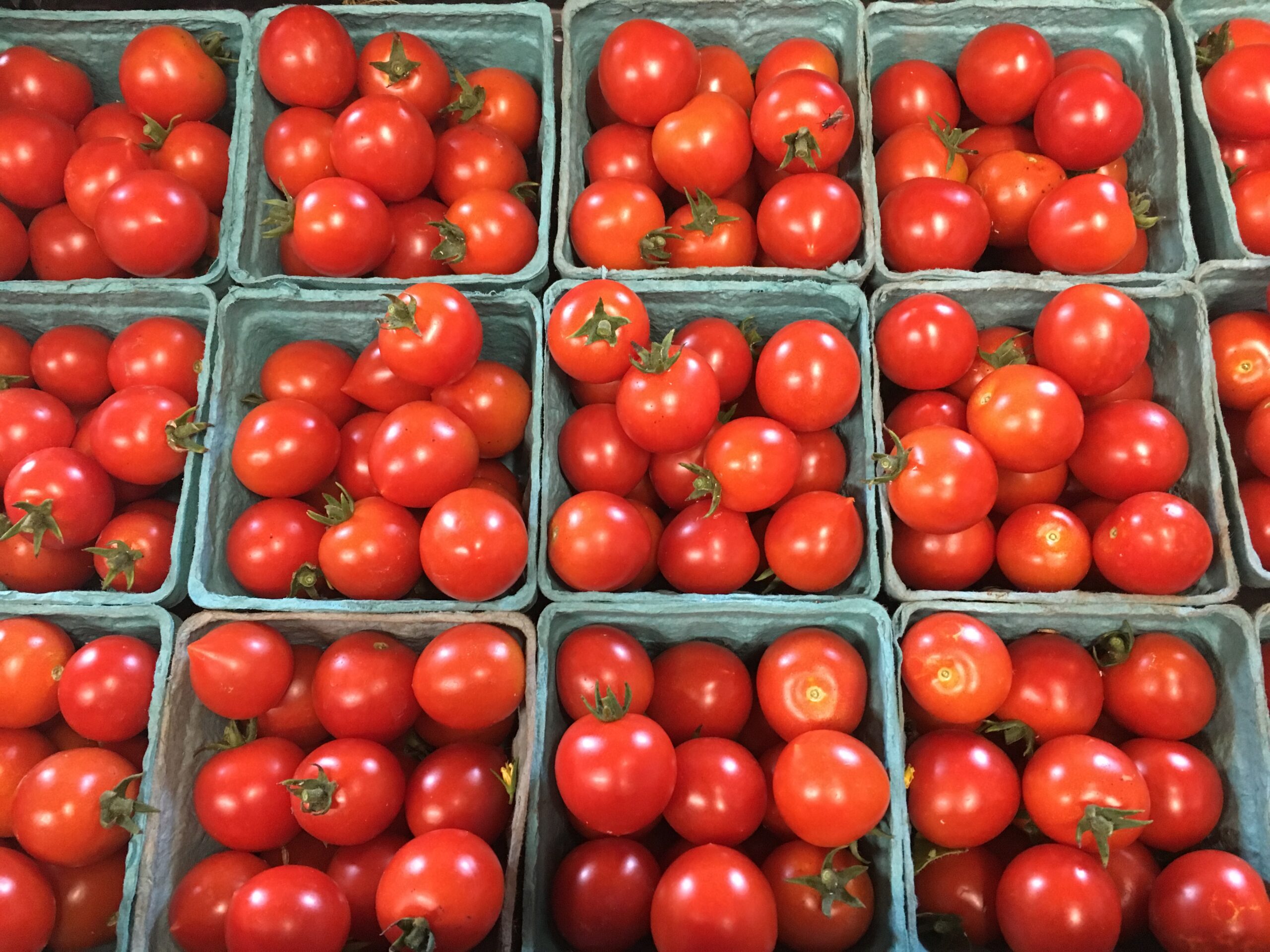
Redfearn Farm 2018 CSA- Week 2

For the 2nd week of the CSA main season, members with Basic shares will be able to choose 5 items each week and members with Premium will be able to choose 8 items each week. The produce available for the Week 1 are: Sugar Snap Peas, Spring Salad Mix, Carrot bunches with tops, Zucchini/ Yellow Squash, Curly Kale, Swiss Chard, Beet bunches and Snacker Cucumbers and “Half” items: English Cucumber, Basil, Cilantro, Radishes, Kohlrabi bulb and Green Onion bunches.

Sugar Snap Peas (Whole Item): Store in plastic bag in the refrigerator. Peel off the strings on the sugar snap peas before eating or cooking. Sugar snap peas are great raw or barely cooked. Try Stir-fried Sugar Snap Peas or Sugar Snap Peas with orange-ginger dressing.

Salad mix (Whole Item): Store in plastic bag in the refrigerator. For salad inspiration, look at this: Mesclun Salad with goat cheese, or Chart of Salad Toppings Combinations.

Carrots (Choice Item): Storage suggestion: Separate the tops from the roots, and store separately in the fridge. The tops can be stored in a plastic bag. Place carrots in a containers with lid and cover completely in water. Keep container in the refrigerator, changing the water ever 4-5 days. Carrot top soup is a great way to use the tops (and this recipe uses some carrots also). In addition to just eating raw carrot sticks, carrots can also be roasted, as in this wonderful Roasted Cumin-Lime Carrots recipe.

Kale (Choice Item): store in plastic bag in refrigerator.  Serving suggestions: Add to smoothies, Fall Kale salad , Cookie+ Kate’s Kale Salad with an amazing dressing,  Zuppa Tuscana soup (I usually add a can of tomatoes to this soup and sometimes kidney beans), Kale Pesto (this recipe is served with pasta and roasted butternut squash) and Kale and Butternut squash frittata. To preserve: wash kale, cut off the stems, blanch in boiling water for 30 seconds, then cool in an ice bath, drain well and freeze. Frozen kale can be used in soups, added to casseroles, pasta dishes, or anything that uses cooked kale.

Summer squash: patty pan and zucchini (Choice Item, 3 squash or a box will count as one item): store in plastic bag in refrigerator. Yellow squash nearly interchangeable with zucchini and is great raw or sautéed, grilled, or baked into zucchini bread (my kids favorite way to eat zucchini!). Raw zucchini/ squash makes a fresh, flavorful salad as in this: Summer Squash Salad with Lemon Citronette. Zucchini (sliced and broiled or pan fried) can take the place of pasta in lasagna. If you want more ideas, you can try Baked Zucchini FriesZucchini Fritters  or Chocolate Zucchini Bread or these main dishes Baked Penne with Roasted Vegetables (this is a great recipe to use a lot of vegetables, including zucchini, yellow squash, eggplant, peppers, onions and garlic),  Cheesy Zucchini Casserole (which we make with shredded sharp cheddar, instead of Velvetta). Here’s a couple other zucchini recipes, recommended by CSA members: Curried Zucchini SoupZucchini TotsSauteed Zucchini with Cherry Tomatoes (don’t overcook the zucchini!), and Zucchini Chocolate Rum Cake. To preserve: Zucchini or Yellow squash can be shredded and frozen to use in Zucchini bread recipes.

Cucumbers store in plastic bag in refrigerator (our cucumbers are not waxed, so will lose moisture and become rubbery if not wrapped). Recipe Ideas: Cucumber infused WaterSmoothies with Cucumbers, Cucumber Salads: Creamy Cucumber Salad with Greek Yogurt and DillCucumber Salad with Garlic and Ginger and even Stir-fried Cucumbers! Pair with tomatoes in an Israeli SaladCucumber, Tomato, and Avocado Salad, Greek Salad and Panzanella Salad. Cucumbers are the base for the Mediterranean sauce, TzatzikiCold Cucumber Soup is also a refreshing way to use cucumbers.

Dill (HALF Item): Store in plastic bag or in a cup of water in refrigerator.

Cilantro (HALF Item): Store in plastic bag or in a cup of water in refrigerator.

Basil (HALF Item): Store in a cup of water at room temperature like cut flowers.

Radishes (HALF Item): Store in plastic bag in refrigerator. Crisp radishes in ice water. Sliced radishes add great flavor to salads. You can also just eat them straight with butter and a sprinkle of salt. There are many variations of radish salads, here are a couple: Radish and Mint Salad , Smitten Kitchen’s chopped salad,  and Radish, Cucumber and Orange Salad. Radishes are milder when roasted or cooked. I cut radishes in half and toss with a little olive oil, salt and pepper and roast at 425F until tender crisp (they can be roasted alongside sweet potatoes or carrots for a nice flavor and color combination).

Green Onions (HALF Item): Store in plastic bag in the refrigerator. Use in lots of Chinese/ other asian recipes (General Tso’s chicken and Korean beef are two Redfearn favorites) chicken salad, egg salad, salad dressing to name a few.

Cilantro (HALF Item): Wrap cilantro in a damp paper towel and then put it in a plastic bag in refrigerator. Alternatively, place in a  jar of water (like cut flowers) loosely covered with a plastic bag in the refrigerator.

Kohlrabi (HALF Item): Both the leaves and the bulbous stem (the round part) are edible. The bulbous part can last for a couple weeks in the fridge, but the greens should be use within a couple days, both should be stored in plastic bags in the refrigerator . The bulb should be peeled by cutting off a thin slice on the top and bottom of the bulb and using a paring knife to cut the skin off the kohlrabi bulb.Here is a link with recipes using the kohlrabi bulb and greens, including one of our favorites, the kohlrabi patties: Kohlrabi Recipes. A simple preparation of kohlrabi is Butter- braised Kohlrabi: Peel kohlrabi, and thinly slice (1/8 to 1/4 inch thick) and cook in a skillet with butter and olive oil and salt and pepper, add about 1/2 cup of chicken broth, cover the skillet and cook, stirring occasionally, until tender. Optional: Cream can be added at the end. Eaten raw, kohlrabi is fresh, crisp, and the ideal ingredient for a summer slaw, such as this Kohlrabi and Carrot slaw or in this excellent Kohlrabi- Apple Salad!

Garlic Scapes (HALF Item): Store in plastic bag in the refrigerator. Garlic Scapes are the flower bud of the garlic plant. The bud is removed to encourage the bulbs to thicken up. Scapes taste just like garlic. They can be used the same way as garlic in nearly any recipe. On thicker scapes, snap off the woody end (in the same way you would snap asparagus). Try them in a sauté, roasted, pickled, added to soups, and more. The most tender tops of the stem and the buds are delicious chopped up raw. To preserve: Chop the scapes in a food processor, add to jars and cover with olive oil. Save this in the fridge for up to a year, sometimes add more oil to keep it covered. Use on salads, baste on meats and vegetables for grilling, garlic bread, anything your imagination can think of. You can also freeze cubes of this in a ice cube tray then put in a zip lock bag and keep frozen.

A site highlighting many ways to serve garlic scapes; including a garlic scape pesto recipe: What to do with Garlic Scapes (Note: my family made the Garlic Scape Pesto from this link, using sunflower seeds instead of pine nuts, and it was wonderful (and very garlicky!).

Garlic Scape and White Bean Hummus

1/3 cup sliced scapes
1 T lemon juice
1/2 tsp sea salt
ground black pepper
1 can (15 oz.) cannelloni beans, rinsed and drained
1/4 cup olive oil

In a food processor, process scapes with lemon juice, salt and pepper until finely chopped. Add beans and process to a rough puree. With motor running, slowly drizzle olive oil through feed tube and process until fairly smooth. Pulse in 2 or 3 T water, or more, until mixture is the consistency of a dip.

If you would like more recipe ideas, I have a pinterest board devoted to CSA vegetable recipes:  http://www.pinterest.com/sheriredfearn/csa-veggies-recipes/
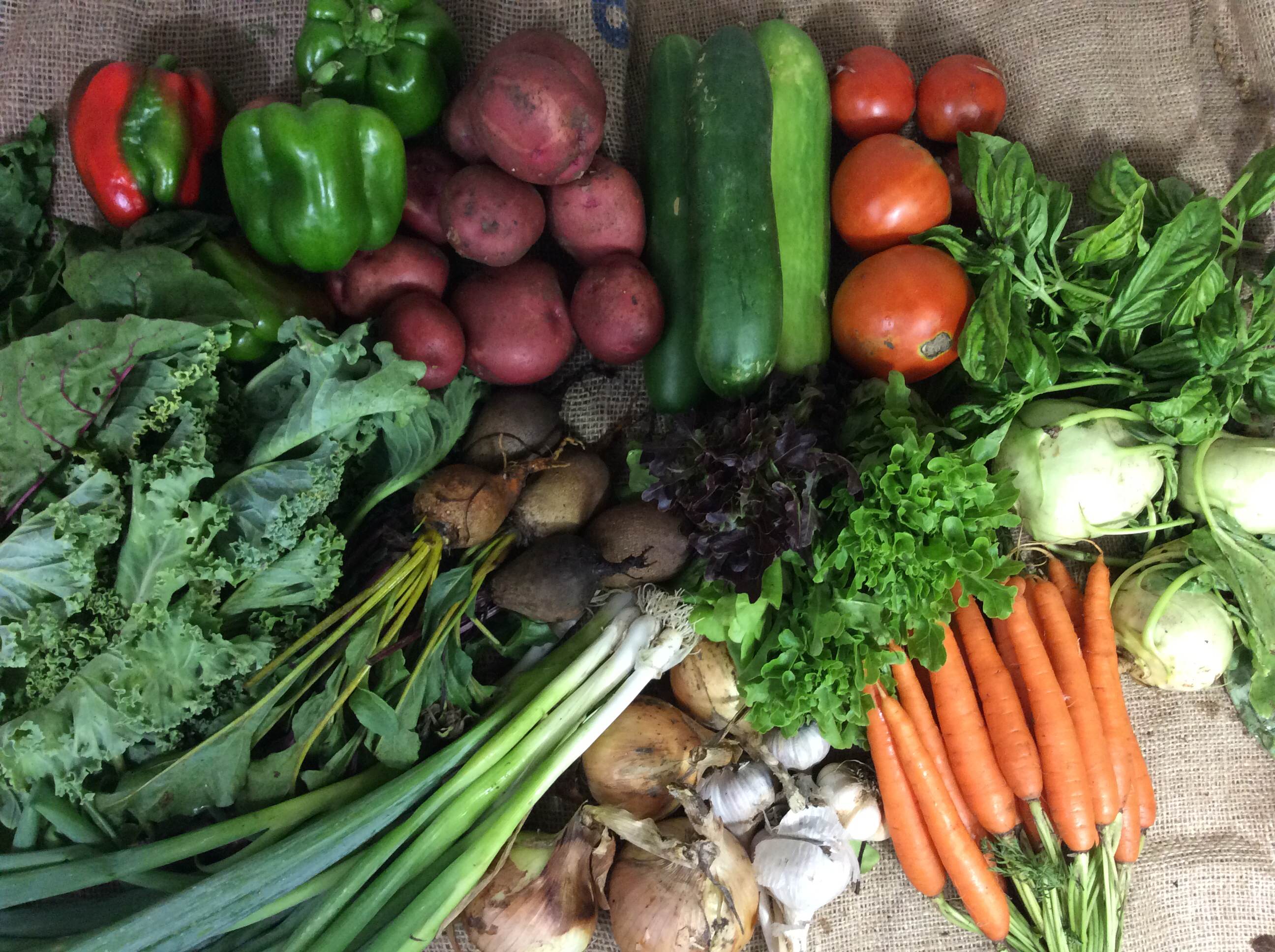
Redfearn Farm CSA 2018- Week 1

If you haven’t signed up for the CSA, you still can!

Sign up here!

For the 1st week of the CSA main season, members with Basic shares will be able to choose 5 items each week and members with Premium will be able to choose 8 items each week. The produce available for the Week 1 are: Sugar Snap Peas, Spring Salad Mix, Carrot bunches with tops, Zucchini/ Yellow Squash, Curly Kale, Swiss Chard, Beet bunches and Snacker Cucumbers and “Half” items: English Cucumber, Basil, Cilantro, Radishes, Kohlrabi bulb and Green Onion bunches.

Sugar Snap Peas (Whole Item): Store in plastic bag in the refrigerator. Peel off the strings on the sugar snap peas before eating or cooking. Sugar snap peas are great raw or barely cooked. Try Stir-fried Sugar Snap Peas or Sugar Snap Peas with orange-ginger dressing.

Salad mix (Whole Item): Store in plastic bag in the refrigerator. For salad inspiration, look at this: Mesclun Salad with goat cheese, or Chart of Salad Toppings Combinations.

Carrots (Choice Item): Storage suggestion: Separate the tops from the roots, and store separately in the fridge. The tops can be stored in a plastic bag. Place carrots in a containers with lid and cover completely in water. Keep container in the refrigerator, changing the water ever 4-5 days. Carrot top soup is a great way to use the tops (and this recipe uses some carrots also). In addition to just eating raw carrot sticks, carrots can also be roasted, as in this wonderful Roasted Cumin-Lime Carrots recipe.

Kale (Choice Item): store in plastic bag in refrigerator.  Serving suggestions: Add to smoothies, Fall Kale salad , Cookie+ Kate’s Kale Salad with an amazing dressing,  Zuppa Tuscana soup (I usually add a can of tomatoes to this soup and sometimes kidney beans), Kale Pesto (this recipe is served with pasta and roasted butternut squash) and Kale and Butternut squash frittata. To preserve: wash kale, cut off the stems, blanch in boiling water for 30 seconds, then cool in an ice bath, drain well and freeze. Frozen kale can be used in soups, added to casseroles, pasta dishes, or anything that uses cooked kale.

Summer squash: patty pan and zucchini (Choice Item, 3 squash or a box will count as one item): store in plastic bag in refrigerator. Yellow squash nearly interchangeable with zucchini and is great raw or sautéed, grilled, or baked into zucchini bread (my kids favorite way to eat zucchini!). Raw zucchini/ squash makes a fresh, flavorful salad as in this: Summer Squash Salad with Lemon Citronette. Zucchini (sliced and broiled or pan fried) can take the place of pasta in lasagna. If you want more ideas, you can try Baked Zucchini FriesZucchini Fritters  or Chocolate Zucchini Bread or these main dishes Baked Penne with Roasted Vegetables (this is a great recipe to use a lot of vegetables, including zucchini, yellow squash, eggplant, peppers, onions and garlic),  Cheesy Zucchini Casserole (which we make with shredded sharp cheddar, instead of Velvetta). Here’s a couple other zucchini recipes, recommended by CSA members: Curried Zucchini SoupZucchini TotsSauteed Zucchini with Cherry Tomatoes (don’t overcook the zucchini!), and Zucchini Chocolate Rum Cake. To preserve: Zucchini or Yellow squash can be shredded and frozen to use in Zucchini bread recipes.

Cucumbers store in plastic bag in refrigerator (our cucumbers are not waxed, so will lose moisture and become rubbery if not wrapped). Recipe Ideas: Cucumber infused WaterSmoothies with Cucumbers, Cucumber Salads: Creamy Cucumber Salad with Greek Yogurt and DillCucumber Salad with Garlic and Ginger and even Stir-fried Cucumbers! Pair with tomatoes in an Israeli SaladCucumber, Tomato, and Avocado Salad, Greek Salad and Panzanella Salad. Cucumbers are the base for the Mediterranean sauce, TzatzikiCold Cucumber Soup is also a refreshing way to use cucumbers.

Radishes (HALF Item): Store in plastic bag in refrigerator. Crisp radishes in ice water. Sliced radishes add great flavor to salads. You can also just eat them straight with butter and a sprinkle of salt. There are many variations of radish salads, here are a couple: Radish and Mint Salad , Smitten Kitchen’s chopped salad,  and Radish, Cucumber and Orange Salad. Radishes are milder when roasted or cooked. I cut radishes in half and toss with a little olive oil, salt and pepper and roast at 425F until tender crisp (they can be roasted alongside sweet potatoes or carrots for a nice flavor and color combination).

Green Onions (HALF Item): Store in plastic bag in the refrigerator. Use in lots of Chinese/ other asian recipes (General Tso’s chicken and Korean beef are two Redfearn favorites) chicken salad, egg salad, salad dressing to name a few.

Cilantro (HALF Item): Wrap cilantro in a damp paper towel and then put it in a plastic bag in refrigerator. Alternatively, place in a  jar of water (like cut flowers) loosely covered with a plastic bag in the refrigerator.

Kohlrabi (HALF Item): Both the leaves and the bulbous stem (the round part) are edible. The bulbous part can last for a couple weeks in the fridge, but the greens should be use within a couple days, both should be stored in plastic bags in the refrigerator . The bulb should be peeled by cutting off a thin slice on the top and bottom of the bulb and using a paring knife to cut the skin off the kohlrabi bulb.Here is a link with recipes using the kohlrabi bulb and greens, including one of our favorites, the kohlrabi patties: Kohlrabi Recipes. A simple preparation of kohlrabi is Butter- braised Kohlrabi: Peel kohlrabi, and thinly slice (1/8 to 1/4 inch thick) and cook in a skillet with butter and olive oil and salt and pepper, add about 1/2 cup of chicken broth, cover the skillet and cook, stirring occasionally, until tender. Optional: Cream can be added at the end. Eaten raw, kohlrabi is fresh, crisp, and the ideal ingredient for a summer slaw, such as this Kohlrabi and Carrot slaw or in this excellent Kohlrabi- Apple Salad!

Garlic Scapes (HALF Item): Store in plastic bag in the refrigerator. Garlic Scapes are the flower bud of the garlic plant. The bud is removed to encourage the bulbs to thicken up. Scapes taste just like garlic. They can be used the same way as garlic in nearly any recipe. On thicker scapes, snap off the woody end (in the same way you would snap asparagus). Try them in a sauté, roasted, pickled, added to soups, and more. The most tender tops of the stem and the buds are delicious chopped up raw. To preserve: Chop the scapes in a food processor, add to jars and cover with olive oil. Save this in the fridge for up to a year, sometimes add more oil to keep it covered. Use on salads, baste on meats and vegetables for grilling, garlic bread, anything your imagination can think of. You can also freeze cubes of this in a ice cube tray then put in a zip lock bag and keep frozen.

A site highlighting many ways to serve garlic scapes; including a garlic scape pesto recipe: What to do with Garlic Scapes (Note: my family made the Garlic Scape Pesto from this link, using sunflower seeds instead of pine nuts, and it was wonderful (and very garlicky!).

Garlic Scape and White Bean Hummus

1/3 cup sliced scapes
1 T lemon juice
1/2 tsp sea salt
ground black pepper
1 can (15 oz.) cannelloni beans, rinsed and drained
1/4 cup olive oil

In a food processor, process scapes with lemon juice, salt and pepper until finely chopped. Add beans and process to a rough puree. With motor running, slowly drizzle olive oil through feed tube and process until fairly smooth. Pulse in 2 or 3 T water, or more, until mixture is the consistency of a dip.

If you would like more recipe ideas, I have a pinterest board devoted to CSA vegetable recipes:  http://www.pinterest.com/sheriredfearn/csa-veggies-recipes/
Farm Produce Subscription Begins June 4th! Sign up Today!


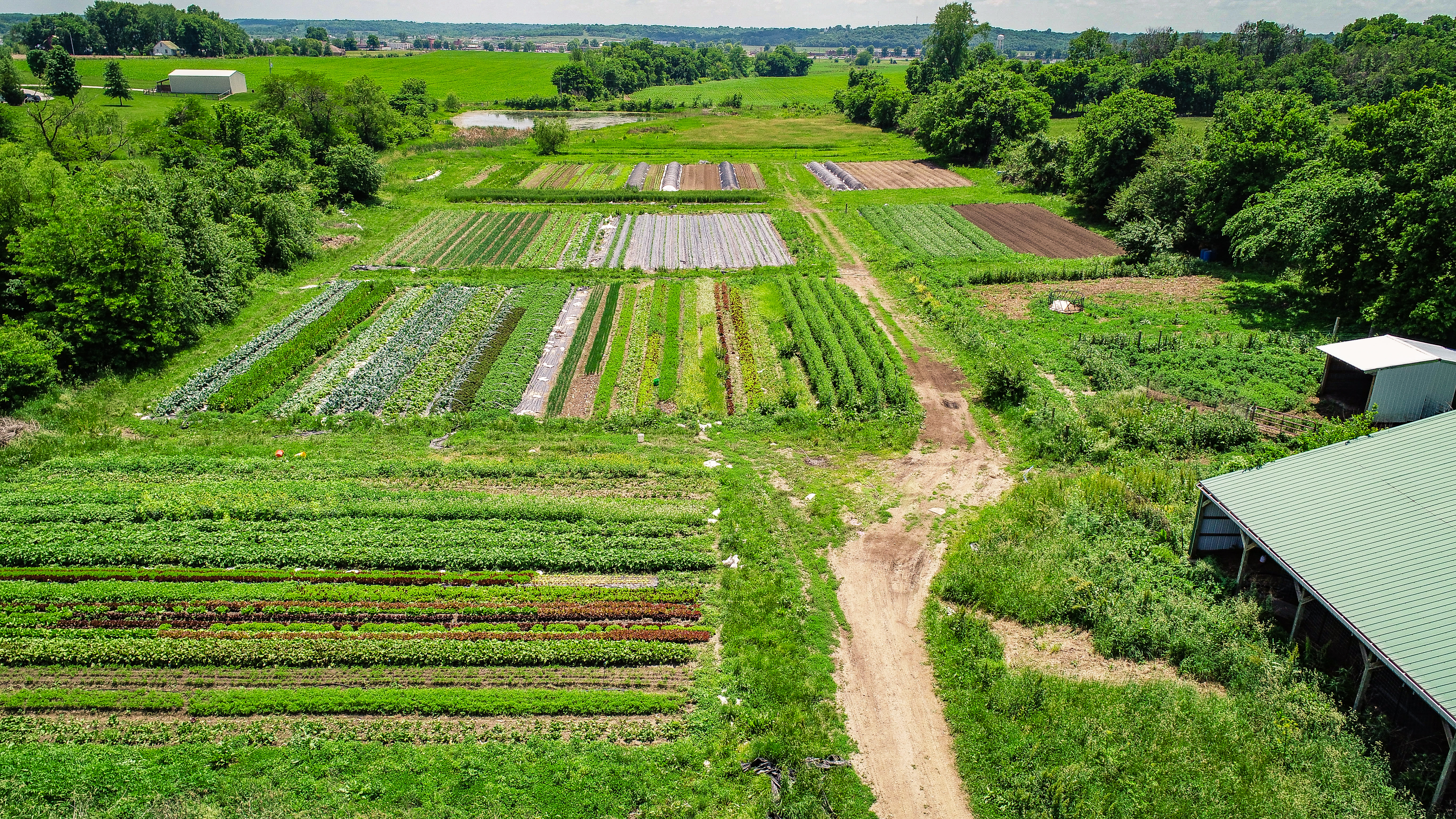
Redfearn Farm-32The farm is bustling with activity and the fields are bursting with amazing veggies ready for harvest.  If you want to eat local and eat healthy, joining Where the Redfearn Grows Natural Farms CSA Membership Plan is the perfect way to boost your intake of healthy foods sustainably grown by your neighborhood farmers.  The CSA is a membership plan that allows you to share in the produce from our Independence, MO family farm.  In effect, by joining the CSA you are joining into a very large home-grown organic vegetable garden–A garden managed without the use of harmful chemical pesticides or herbicides, and one that requires far less of your time and yields far more variety than if you were to put in your own garden.  We offer two different membership levels to meet the needs of your household.   The Basic Share  includes 5 different types of vegetables or 20-25 servings per week.   The Premium Share includes 8 different vegetables or 32 – 40 servings per week.

So why join our CSA program?

  • Connection to your Food and Farmers.  You’ll get a chance to meet your farmers and understand what went into the food on your table.  You’ll be seeing us each week when you pick up your shares at the farm, the Lee’s Summit Farmer’s Market or the Overland Park Farmer’s Market.  Members love bringing kids to the farm to feed the chickens and enjoy the outdoors.  If you like getting your hands dirty and want to save some money, you can also get a discount by signing up for work shifts to help us harvest a few times throughout the season.
  • When you join our CSA you’ll receive a steady stream of fresh vegetables for 20 weeks
  • Freedom to Choose. Where the Redfearn Grows Natural Farms CSA allows you to customize the contents of your box.  Unlike most Kansas City CSA’s, we have a market style CSA.  Each week you choose the contents of your box from the wide variety of available crops.  Read more here about how our CSA works.
  • Seasonal Eating. CSA members truly eat with the seasons, enjoying fresh leafy greens throughout the summer, tomatoes in July, and hearty roots and sturdy greens in the fall. Our seasonal produce is picked at the height of freshness, yielding the highest nutritional content.
  • Fresh, fresh, fresh. When you join our CSA your vegetables will come from the field to your table within a couple days, allowing you to serve your family the freshest food possible.
  • Meal Planning. CSA vegetables provide a healthy base for weekly meal planning. With every CSA Share we include meal ideas, recipes, and general prep and storage tips. Eating healthy becomes easy and routine. Click Here to view a sample weekly email.
  • Exposure to new foods. We grow a lot of crops that are familiar to most people.  Most weeks you’ll have the option to choose an item or two that might be new to you, try them right along with your favorite foods. This is also a great way to get kids trying new foods from the start, make trying new foods a fun and regular occurrence!
  • Options for other great farm produce.  We provide free range eggs and honey from our farm for sale.  We also have our own farm raised hormone free pork and grass fed beef for sale at the farm.  If you pick up at the farm we often have some blemished produce available for free to CSA members.
  • Our farm serves a large area of Kansas City.  We have pick up locations at the Independence farm as well as at the Overland Park Farmer’s Market and the Lee’s Summit Farmer’s Market.
  • Our CSA shares break down to a very low cost per week.  Members boxes include more than the retail value each week, giving our members access to fresh, healthy food at a reduced price.  Sign up now and save!
  • You’ll be doing your part to support local, environmentally-responsible agriculture!

Click Here to check out your CSA membership options.  Shares are limited!

CSA 2016 wk 10

Where the Redfearn Grows Natural Farms was founded with the belief that natural ecosystems hold within them the keys to growing healthy food. We believe in cooperation with nature rather than the subjugation of it. We bring ancient organic agricultural wisdom and modern biological research together to develop growing practices for our community supported agriculture program (CSA) that mimic naturally-occurring processes.  The result is healthier food and a healthier environment. For all produce grown for our Kansas City area community supported agriculture program we reject the use of: chemical pesticides, herbicides, fertilizers or GMO seeds. We aim to protect biodiversity, build organic matter in the soil, prevent pollution, reduce waste, and conserve resources on our Independence Missouri farm. The health of our family, our customers and our environment is of critical importance to us. That is why preserving natural practices in growing the produce we provide to our Kansas City area CSA members is part of who we are.

Questions about joining our CSA? Call us – 816-457-1223 or email us at sheri@redfearnfarm.com.’

Here’s a shot of our beautiful vegetable fields.  Won’t you join us?

DCIM100MEDIADJI_0021.JPG