Grow your Own Organic Vegetables or Buy a CSA Share – Lee’s Summit

I don’t know about you, but it has been my experience that nearly everything is harder than it looks and projects seem to always end up taking longer and costing more than expected.  Call it one of Dave’s General Facts of LIfe.

We think a shed will cost $400 to build, because that’s what the lumber costs, but by the time you add in all the door hardware, the extra-large box of screws and the chop saw we NEEDED, the total cost is more like $1000 and don’t even THINK of all the labor hours.  So would it have been cheaper to have had that guy on Craigslist build it for you? Yes, but think of all the experience you gained, and the sore back and the new chop saw!

Well, I decided to do an economic analysis of the make vs buy dilemma of whether you should grow your own organic vegetables or buy a CSA share.  Now this is strictly based upon economics mind you.  Most folks think it would be cheaper to grow their own vegetables rather than to buy from a local farm through a CSA Coop.  We’ll take a close look at the numbers and compare the economics of growing your own organic vegetables vs buying a CSA share.

Rationale:

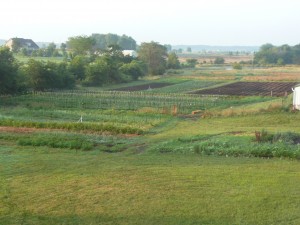
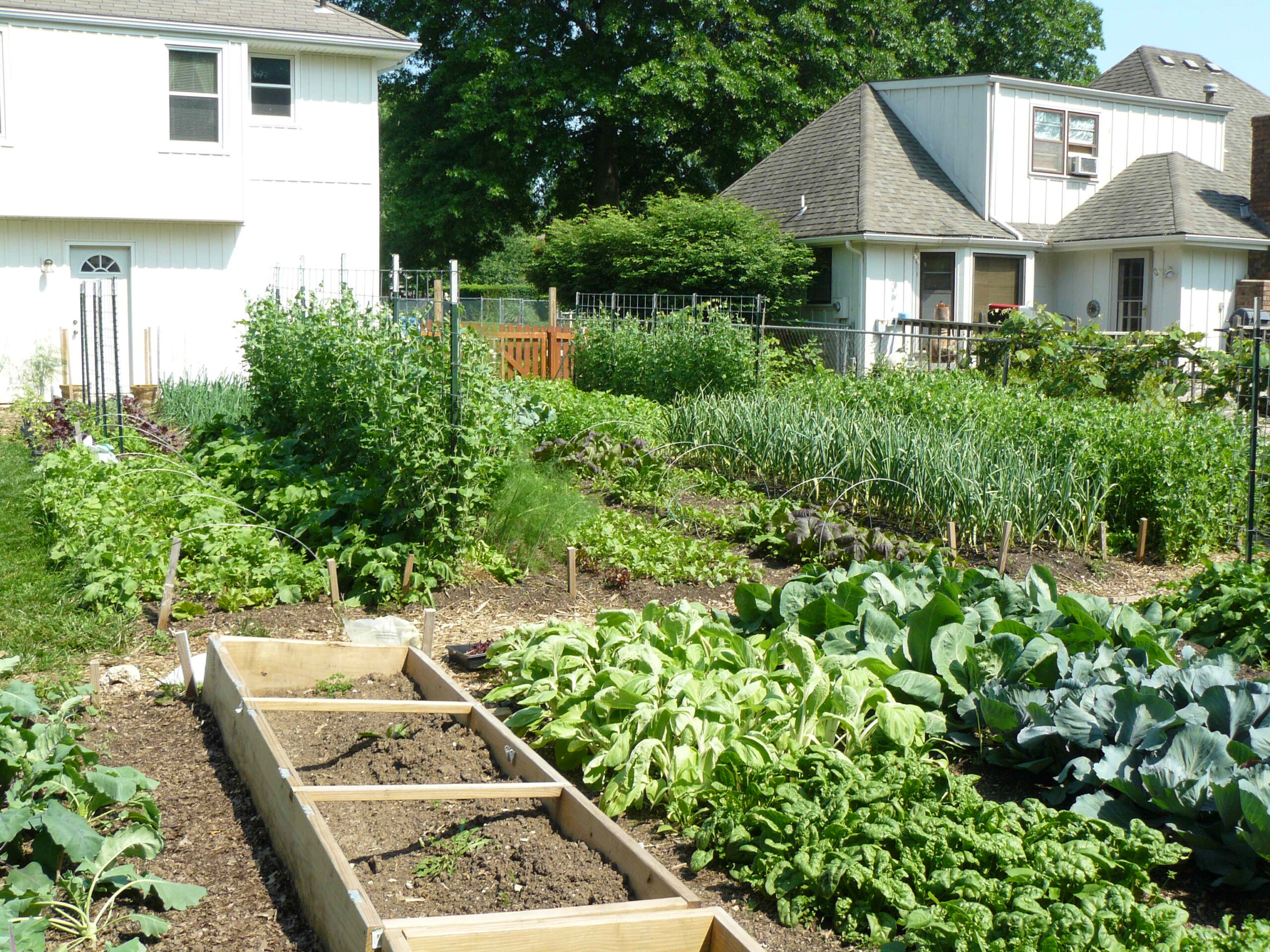
I used my own previous experience with a really big suburban garden as a baseline for productivity and costs for each of the items involved and compared all of the costs to produce both the quantity and variety of vegetables that are included in Where the Redfearn Grows Natural Farms CSA share (full share size).  BTW, all the pictures in this post are from our previous garden in Blue Springs, MO.
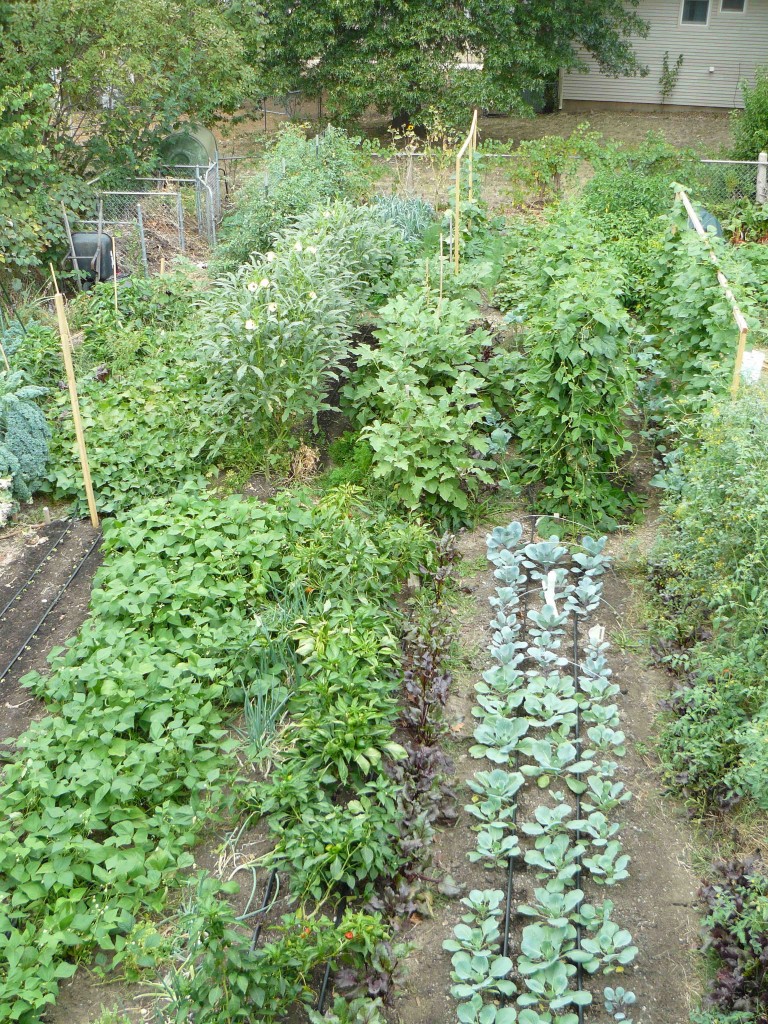
Blue Springs Organic Garden

Since we are comparing the proverbial apples to apples, you will need to grow 130 different varieties of produce including heirloom and specialty hybrid varieties.  Your garden will have to be 100% organic without the use of those pesticides.  You’ll be buying organic seed whenever possible and supplementing your soil with copious amounts of organic matter to improve soil fertility.  Your garden will be twenty-five feet by twenty feet for a total of 500 sq ft.  To get the yields necessary to compare to a CSA share at Where the Redfearn Grows Natural Farms, you’ll need to water every week.    You’ll spend significant time in the garden planting, weeding and harvesting.  You will have to time your plantings and replant right after harvesting in order to insure a full 24 weeks of harvests.  

Which is cheaper? Grow your own organic vegetables or buy a CSA share?

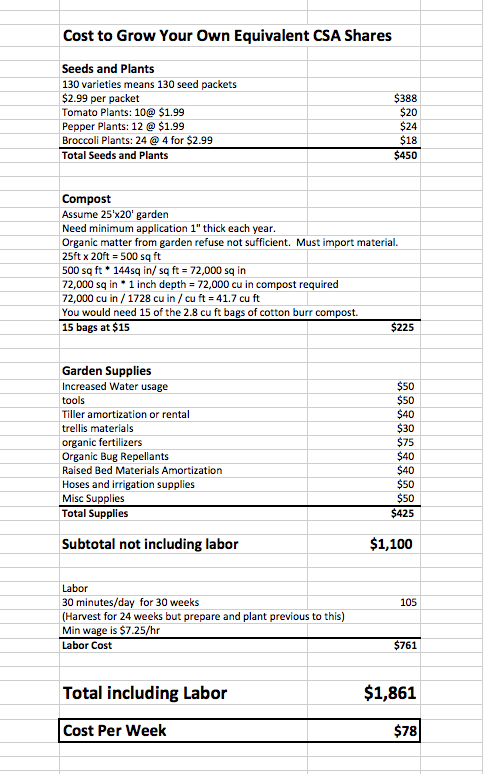
It turns out, that if you compare these two options, growing your own will cost you almost three times what a full share would cost!

Skeptical?  Remember that shed you thought would cost $400?  As you can see from the calculations below, the little things add up! Seed may be cheap if you only buy a few packets, but if you buy 130 packets of premium organic seed to supply the kind of variety found in a CSA share, the expenses start to pile up!
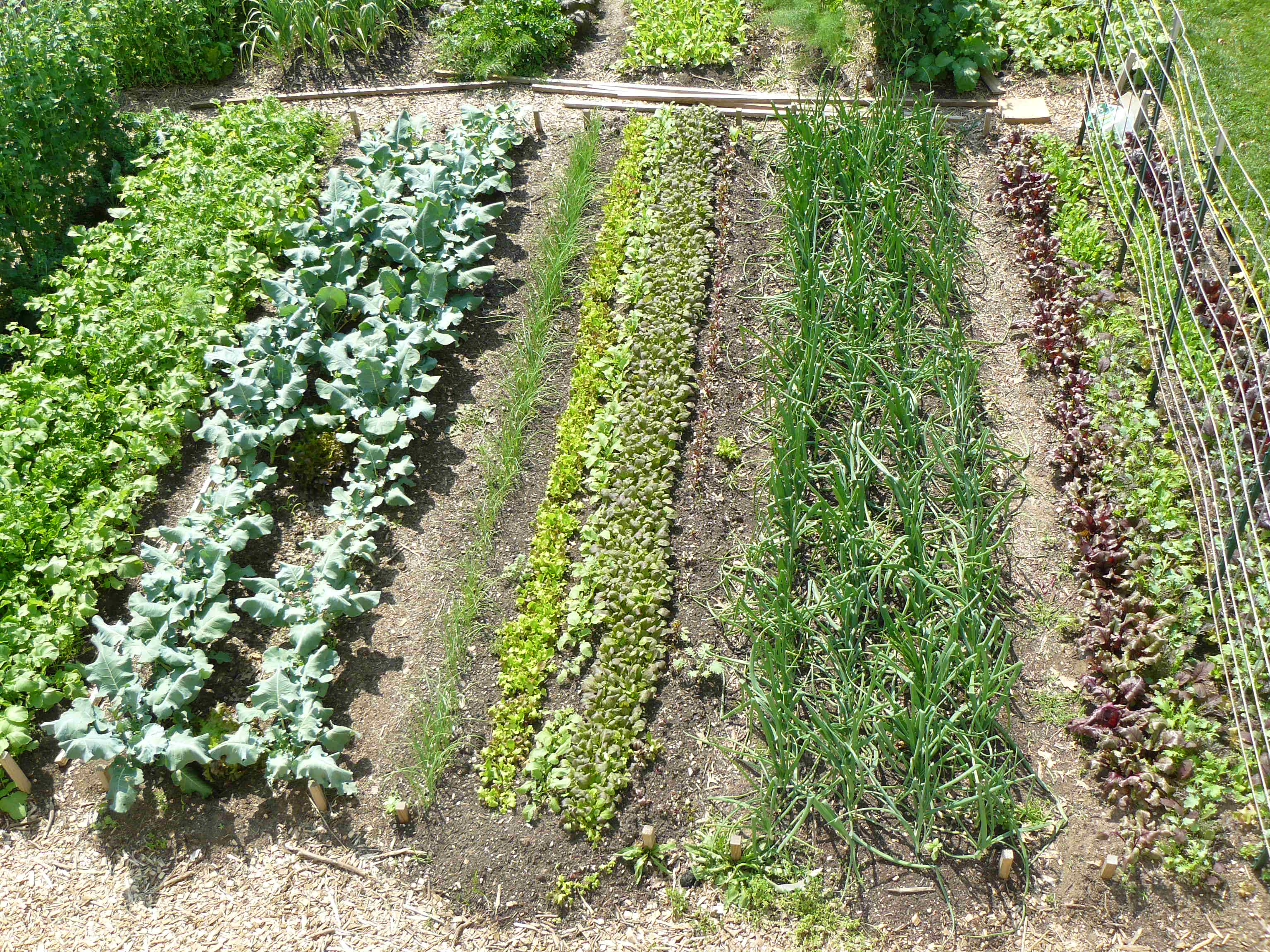
Blue Springs OrganicGardenSo am I saying you should buy a CSA share rather than grow your own organic vegetables?  If you were doing it strictly on economic grounds–Yes! But we are more than dollars and cents, and there are intangible and tangible benefits from gardening.  Personally, I love gardening!  When we lived in Blue Springs, I had most all of the yard torn up to grow all sorts of organic fruits and vegetables.  That garden was a lot of fun and a lot of work and pretty expensive to grow; but that garden led me to hunger for an opportunity to feed more people on a larger scale.

Supplying all your families vegetable needs and providing a wide array of variety is a noble goal that I would encourage you to take on, but it isn’t easy, it won’t be cheap and it will take quite a bit of your time.

In contrast, if you become a member of Where the Redfearn Grows Natural Farms CSA, you’ll get an incredibly good price for premium quality, organic produce.  You can be involved as little or as much as you want through our work shift program where you’ll have the opportunity to help out with the growing and get your hands dirty (but not nearly as dirty as if you did it all yourself).  So, being a CSA member can be somewhat like growing your own in that you can be part of the whole process, but you don’t have to be 100% responsible for it.  CSA members share the burden and work together under the direction of expert farmers to produce a bountiful harvest that can be shared with the whole family and neighbors too.

So, you will have to answer for yourself the question of whether you should grow your own organic vegetables or buy a CSA share.

What I can tell you is, at $27 a week for a full share (and $17 for a partial) of locally grown, organic vegetables through Where the Redfearn Grows Natural Farms CSA Program, you really can’t beat it, even if you did it yourself!

Read more about Where the Redfearn Grows Natural Farms CSA Program Here!
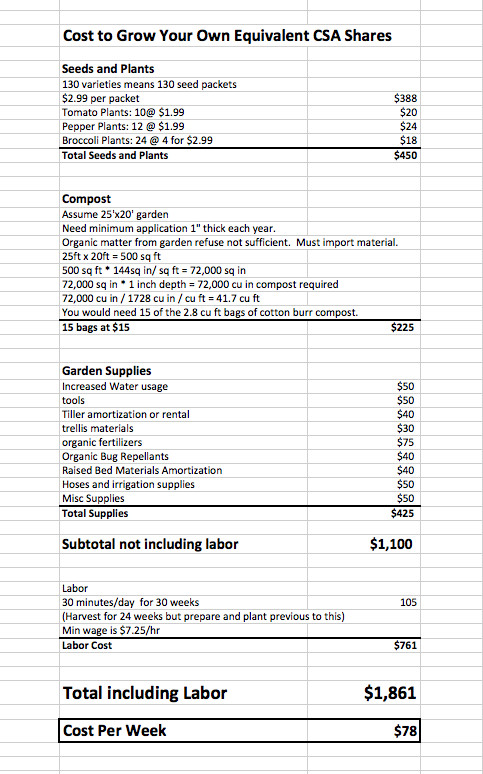
Grow vs Buy Calculations

Grow vs Buy Calculations

New Lee’s Summit CSA option: Let the Redfearn’s be Your Farmers

Lettuce Mix Lee's Summit CSAIf you haven’t met us, we’re the Redfearn’s and we would like to offer our Lee’s Summit neighbors  a fantastic Lee’s Summit CSA opportunity!  Our farm is in Independence, MO just north of Blue Springs, MO, so we aren’t that far from Lee’s Summit in the first place; but we wanted to give those of you in Lee’s Summit and South Kansas City a convenient pickup option for freshly-picked, naturally-grown garden produce.  Click here to view an interactive map showing both the farm and the Lee’s Summit CSA pickup location. Read on to learn about an exclusive discount available for a limited time!
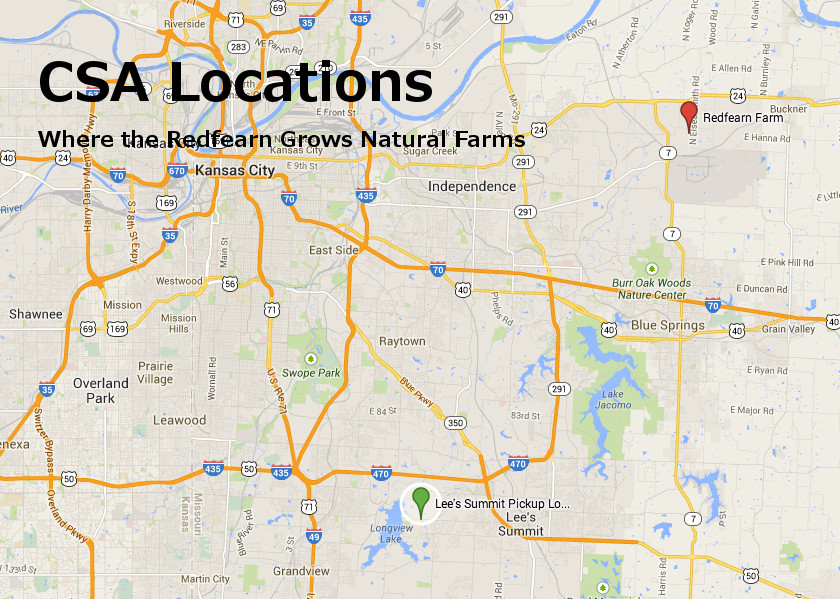
Map of Farm Lee's Summit CSA

Our CSA is a 24 week subscription service that begins in mid-May and goes to the end of October.  Our vegetables are all grown without chemical pesticides, fertilizers, or herbicides through USDA organic approved practices.  Our plant seed is all certified GMO free and we buy organic seed whenever possible. We harvest the day of pickup so you can be assured your seasonal box of produce is fresher than anything you can find at the store! We have two share sizes to choose from as well as discounts for extra work shifts at the farm.

Summer Farm Lee's SummitPlanting is fully underway with five varieties of new potatoes, sugar snap peas, two types of leeks, three varieties of kale, four types of cabbage, 5 varieties of lettuce, mixed baby salad greens, bok choy, 3 varieties of carrots, four varieties of radishes, kohlrabi, broccoli, tons of onions and garlic, and spinach already in the ground along with over ten varieties of tomatoes and peppers as well as eggplants and cucumbers, swiss chard and fennel all in the greenhouse, and that’s just the beginning.
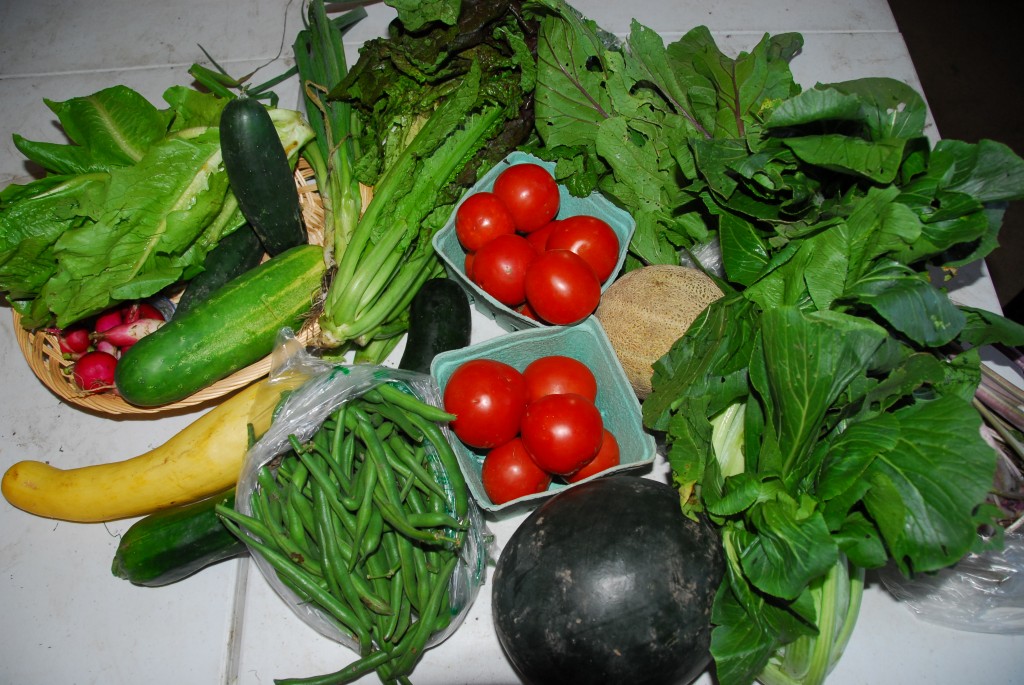
We’ve got all kinds of other vegetables as well with over 130 total varieties in store for the season.

Won’t you consider letting us be your farmers, Lee’s Summit?

Join our Lee’s Summit CSA and use the promo code: LeeVeg to get $40 off your subscription! Sign up for the CSA today! Your weekly box of gourmet produce is only a few weeks away!

Lee's Summit CSA Share


First Farming Mistake of the 2014 CSA Season in Independence, MO

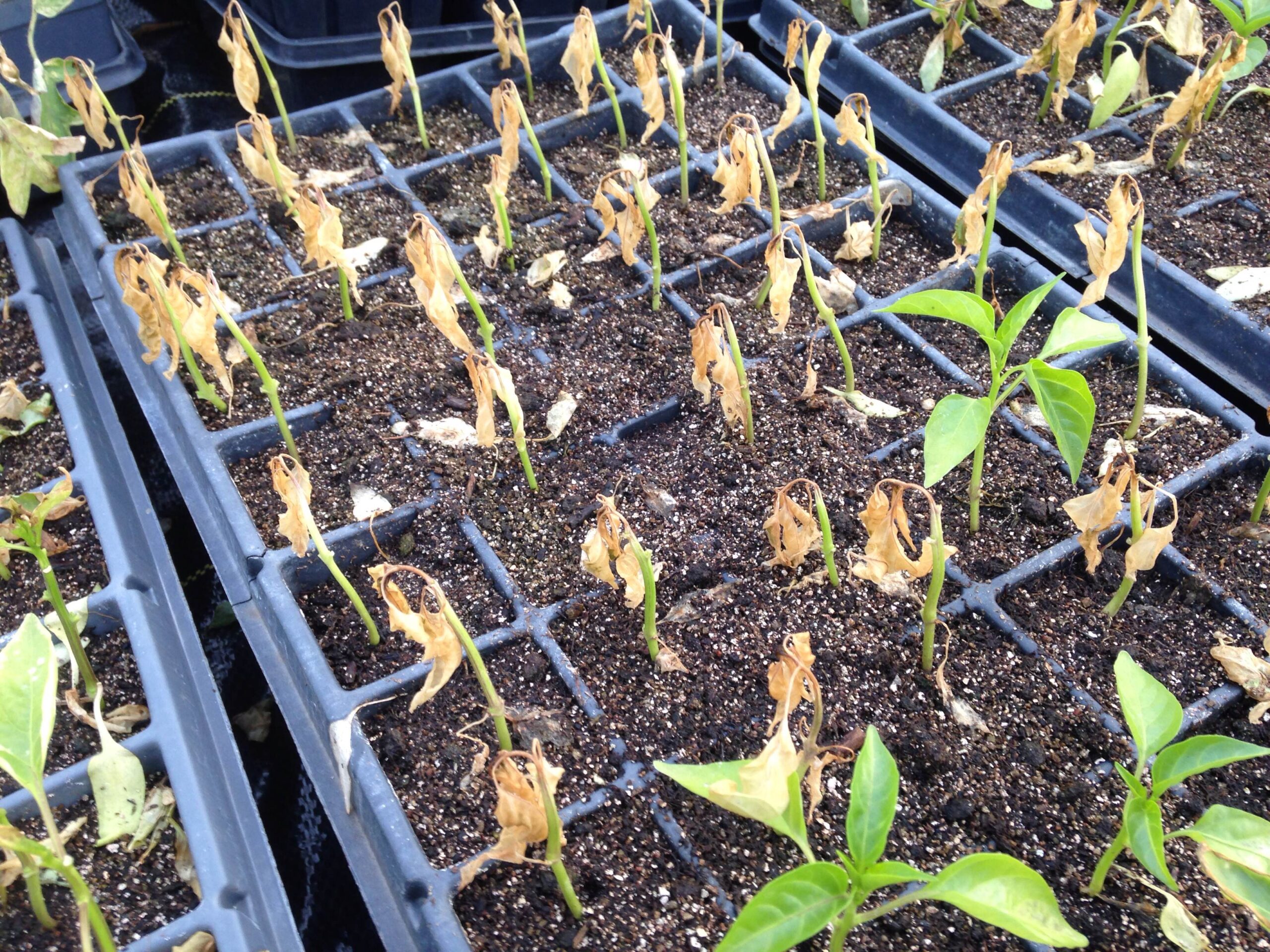
My four year old daughter was just telling me from her Sunday school lesson that God doesn’t punish you if it’s an accident.  Then she talks about the bad angels who hated God and were punished. I try to explain that while intending to do wrong and mistakenly doing wrong may have different levels of “badness”, there are still consequences either way.  Like not checking the weather forecast closely because you knew the next day was supposed to get to 80 and then having a whole bunch of your seedlings die in the greenhouse because it was too cold for them. The first mistake of the 2014 CSA season had consequences.

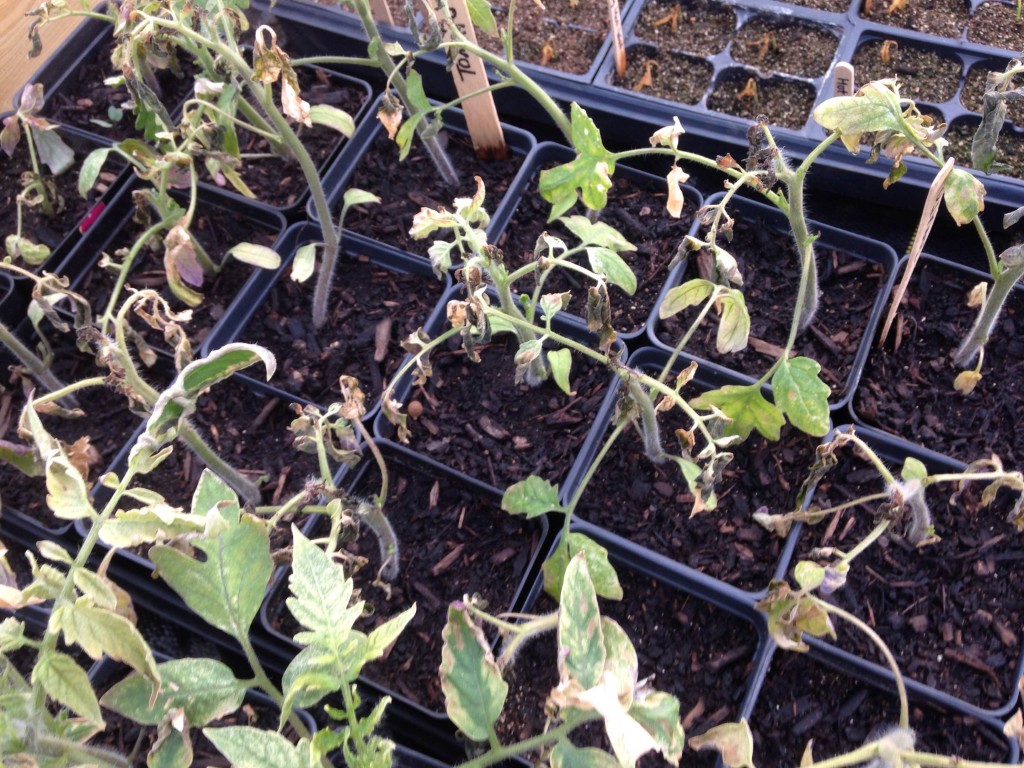
One of the things I like most about farming is the lessons it brings.  Real life lessons about how the world really works. Growing things helps you get down and personal with the truth that “you reap what you sow.” In this case, the tomato and pepper seeds that we had painstakingly sowed kept warm and watched grow; the seedlings we had then transplanted to larger containers and had covered up with a second layer of plastic in the greenhouse on cold nights (but not that night); these plants (most of them at least) are dead!  Sow a tomato seed. Water the seedling. But don’t keep it warm enough at night, and you’ll end up having to do all your work over again!

Waking up Thursday morning to this picture of mayhem was quite discouraging.

Dying Tomatoes at Redfearn Farm Lee's Summit

I’ve got to admit, I know you think farming is all glamor, the high life, full of excitement and ecstasy….what you don’t think that?….well, work with me….although it may seem an ecstatic experience shoveling manure and pulling weeds, but sometimes we farmers have down days.

I was bummed out about the loss.  Oh the CSA season is ruined!  I was scrambling to think of where I could buy hundreds of pepper and tomato plants without breaking the bank and mad at myself for my own carelessness.  I wish my daughter had it right about not getting punished when we make mistakes.  That was literally hundreds of dollars in plants!

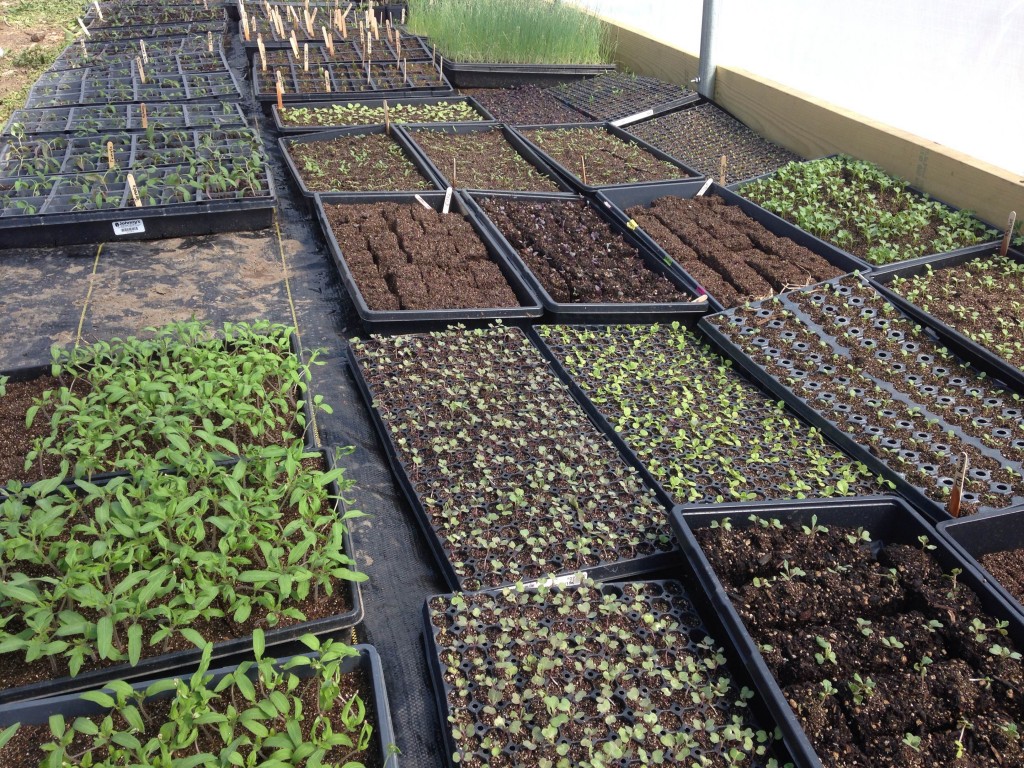
Well the long story is, we were very fortunate that we had majorly over-planted and had extra seedlings just a little smaller than the ones we lost, because I’m extra cautious that way and because we had planned to offer the extra plants for sale.  When I checked on the seedlings still alive in the house, I found that we have more than enough to cover the loss and we may even have extra to sell after all.  We just have to transplant them.

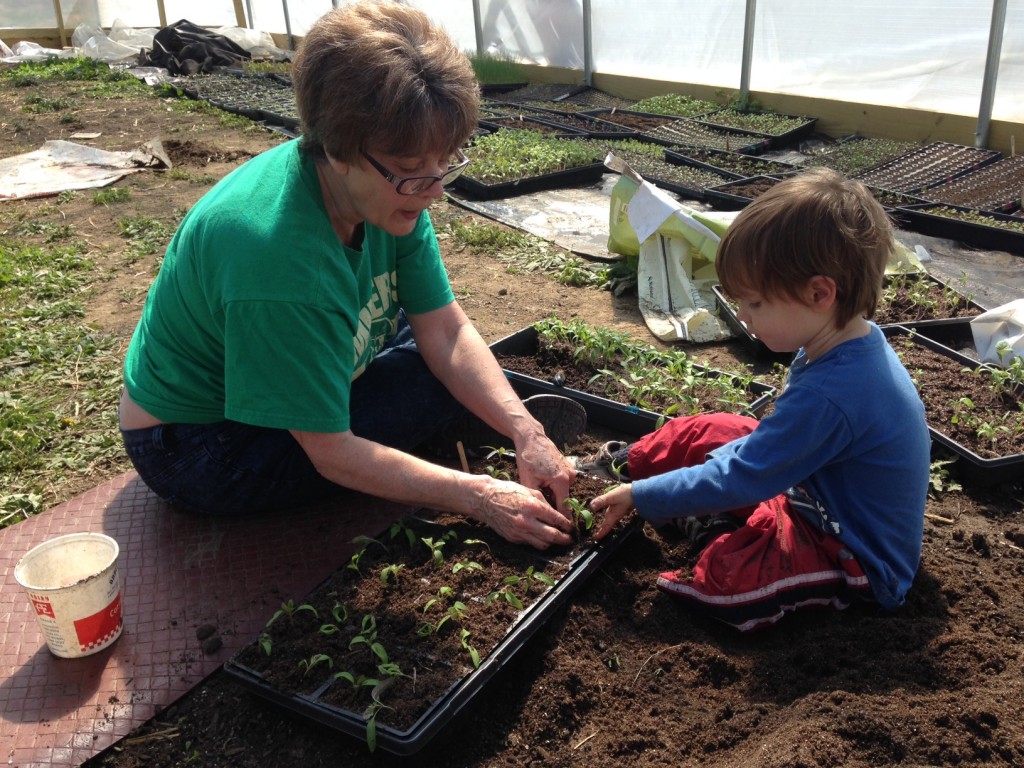
Since then we’ve also been blessed by a lot of helping hands that have made the situation much more bearable.  Here’s Mom Redfearn and Ezra transplanting some of the indoor survivors.

Mom and Ezra with Tomato Seedlings Lee's Summit CSA 

This time of year is the hardest time to stick with it. Seeds barely want to sprout, you wonder if anything will ever come of all that work because the harvest is still so far away.Thanks everybody for your help! it was a great encouragement to keep on going.

I can tell you one thing, I’ll be paying much closer attention to the daily forecast for the rest of the CSA season!

Flats of Seedlings in Greenhouse Lee's Summit

Redfearn Farm Name that Goat Competition in Independence, MO

Thanks to everyone who submitted names for our baby girl goat in the Redfearn Farm Name That Goat Competition.  The Redfearn Farm Name That Goat Competition was held on Where the Redfearn Grows Natural Farms Facebook page where lots of great names were submitted.  We picked out our favorite six names and friends of the farm chose the winning name which happens to be…..

Winnie!

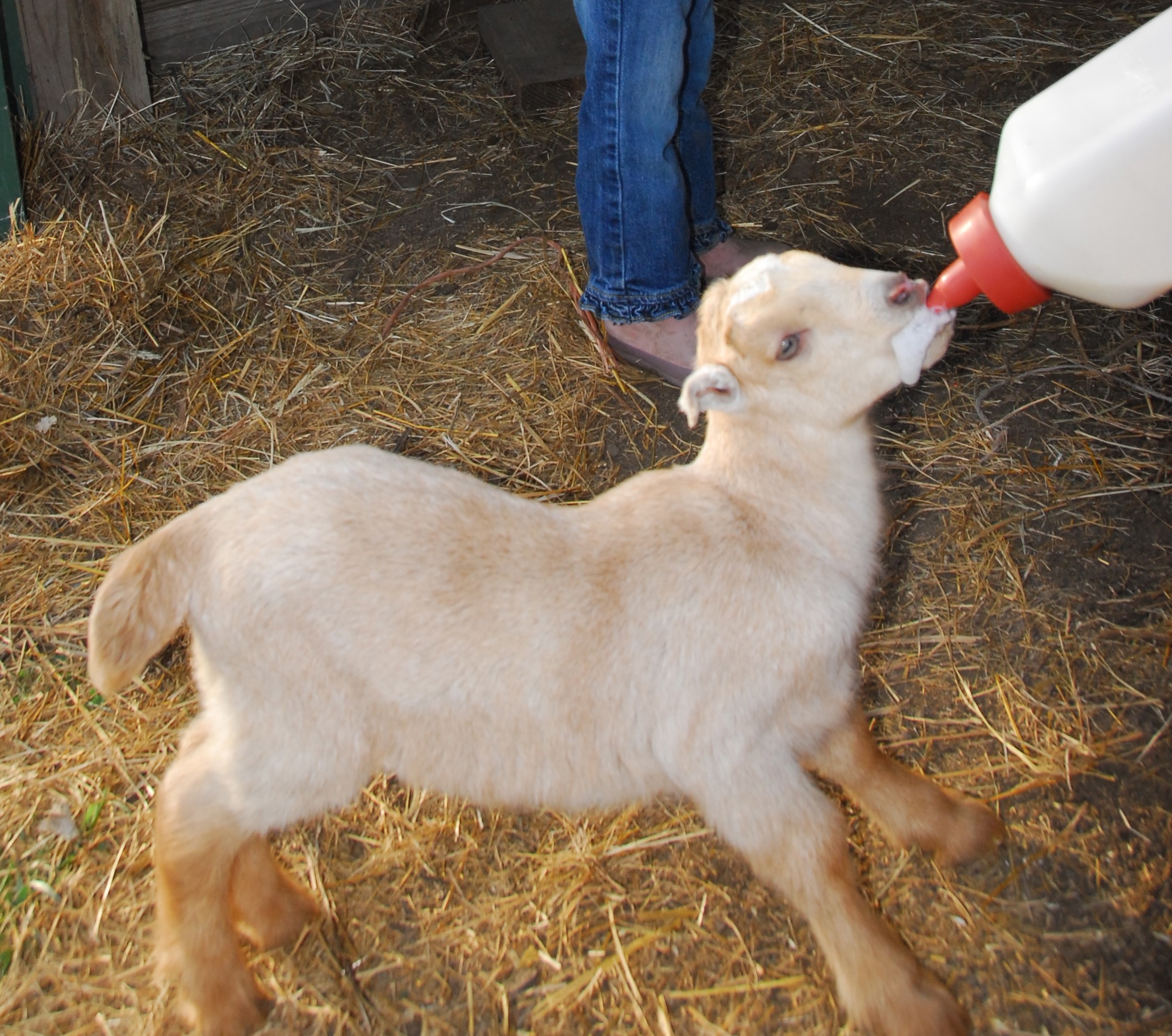
Meet little lady Winnie who will be supplying fresh goat milk in 2015 as well as strategically eating all the unwanted shrubs and weeds on the farm and hopefully NOT eating the heirloom tomato plants!

Baby Goat Play Independence CSA Robin Casas our winner who submitted the name to the Redfearn Farm Name that Goat Competition will receive a quart of fresh goat milk and a dozen free range eggs.

So what were some of the other options?

Lizzie, Lily, Daisy, Rose, ET (because of the facial resemblance), Trixie, Goldie, Dottie, Rhonda, Fuzzy Wuzzy, Honey, Gertie, Heidi, Schwanli, Little Swan, Dollie, Diamond, Cheery, Dama, Penny, Peaches, Babs, and Sunshine.

Wow, a pretty good list there! Well, keep thinking of great names for the next Name That Farm Animal Competition! We’re always adding new animals and it’s fun to share the chance to give a good name. Sheri and I are really not that creative so we appreciate the help:).

So you say, why didn’t we think of names for Winnie’s twin brother? Well, if you are a domesticated farm animal, its usually better for you if you are female. We don’t need a male around here except for one thing and we can’t use a male who is related to the females in the herd for that one thing.  Since these are farm animals and not pets, well, we will find a use for him…

So, you’ve probably heard it said that you shouldn’t name the animals that you are going to eat because you’ll get too emotionally attached. So that’s the reason you didn’t get to name him.

I’ve taken to calling him “Stew” because that’s probably what he’ll end up in come this fall.

Sorry if this offends anybody out there, but really, this is the way the world has worked for a really long time. We may prefer to get our meat under shrink wrap from the supermarket, but the truth is, that meat came from some animal and he might have even had a name.

At Where the Redfearn Grows Natural Farms, we are seeking to shorten the distance in the food supply between consumers and producers. Part of our goal is to get back to eating REAL food and understanding where our food comes from. At our farm you can take part in the growing of the tomatoes through the CSA, help collect your free range eggs, or maybe even name the goat that will give you fresh milk in years to come!

Thanks for being part of the food revolution!


30 Ways Eating a Diet Rich in Vegetables Will Benefit Your Health

So we all know a healthy diet should include plenty of vegetables, but what does “plenty” mean? More than most Americans eat. The average American consumes less than half the recommended number of vegetable servings each day. The latest dietary guidelines call for five to thirteen servings of fruits and vegetables each day (2 ½ to 6 ½ cups per day), depending on your caloric intake.

If you don’t think your diet measures up, don’t despair, just examine the advantages of eating more vegetables and make a decision to change your habits. Joining a weekly distribution of fresh vegetables from your local farmer is a great way to start. Our 24 week season is just around the corner where you can receive a weekly share of vitamin-rich, healthy vegetables.

If you increase your intake of fresh vegetables to the recommended level, you can expect significant benefits to your overall health. I’m listing 30 ways vegetables will benefit your health. Count them if you want. Do some research and you’ll likely find more benefits of eating vegetables to add to this list.

Eating more vegetables will benefit your health because vegetables are a great source for many antioxidants that protect the body from diseases and cancers and boost immunity.

Vegetables will benefit your health by providing a powerful dose of soluble and insoluble dietary fiber. These substances absorb excess water in you digestive tract and help protect against hemorrhoids, colon cancer and chronic constipation.

Man, that’s enough of a reason to up the veggie intake! As a farmer and consumer of lots of vegetables I can attest to the fact that eating lots of vegetables will definitely prevent constipation!

Okay, seriously, diets rich in foods containing fiber, such as vegetables and fruits, reduce the risk of heart disease, obesity, and type 2 diabetes.  Fiber-containing vegetables help provide a feeling of fullness with fewer calories consumed (i.e. you’ll get full before you stuff yourself)

Adequate fiber in your diet also helps stabilize blood sugar, which helps regulate your mood and energy level. Now you know why I’m such a level-headed guy.

Studies have proven that eating more vegetables will benefit your health by reducing the risk of heart attack and stroke and by protecting against several types of cancer.

Vegetables are low in fat and contain considerable quantities of vitamins and minerals. All the green, yellow and orange vegetables are rich sources of calcium, magnesium, potassium, iron, beta-carotene, vitamin A, vitamin B-complex, vitamin-C, and vitamin K. So what do all those vitamins and minerals do? Turns out they do a lot!butternut squash halves csa Kansas City

Vitamin A keeps eyes and skin healthy and protects the body from infections.

Vitamin B complex keeps hair strong and healthy and reduces the onset of age-related memory loss, helps ward off depression and even may reduce PMS symptoms. Let’s all plant a PMS garden!

Vitamin C helps heal wounds and keep teeth healthy, reduces bone loss and  improves joint flexibility, helps protect against arthritis and keeps your skin looking healthy.

Vitamin E works with vitamin C to keep skin healthy, helps protect your skin from the sun and may help reduce the risk of eye disease.

Vegetables rich in beta-carotene, like pumpin, winter squash, carrots, sweet potatoes and dark leafy greens, contribute to growth and body tissue repair

and have been shown to reduce the risk of developing inflammatory conditions like arthritis.

Eating vegetables will benefit your health because some vegetables are especially rich in potassium (tomatoes, sweet potatoes, potatoes, white beans, beet greens, lima beans, spinach, and lentils), and potassium can lower blood pressure and decrease bone loss and reduce the development of kidney stones (Ouch!)

Magnesium found in many vegetables may protect against migraines and PMS symptoms. (Another reason for that PMS garden!)

Vegetables are also a great source of iron, which, among other things helps build healthy hair.

So if you won’t eat more vegetables to benefit your health; because they improve your vitality and energy level and reduce your risk of terrible diseases, I appeal to your sense of vanity! Eating a diet rich in vegetables will help you look good! Better skin, better hair. Need I say more?
No-till Vegetable Farming: Planting Sugar Snap Peas in KCMO

Ever hear of no-till vegetable farming? We’e done no-till vegetable gardening in the past at our suburban garden in Blue Springs, MO and we’ve decided to experiment with no-till vegetable farming on a larger scale at Where the Redfearn Grows Natural Farms in Independence, MO.  “No-till” means just what you would expect from such a term: you don’t till the garden. What? No tilling? No plowing? Why do we spend so much energy playing in the dirt as gardeners? Are you saying we don’t have to do that? Well, in some cases, yes, you can eliminate much of the backbreaking tilling or double-digging work in the garden.
At Where the Redfearn Grows Natural Farms our pre-planting preparations normally include a lot of tractor-powered tilling and bedding, but we are experimenting with larger scale no-till vegetable farming on a portion of our fields.  With no-till vegetable farming, cover crops and mulches are the key.

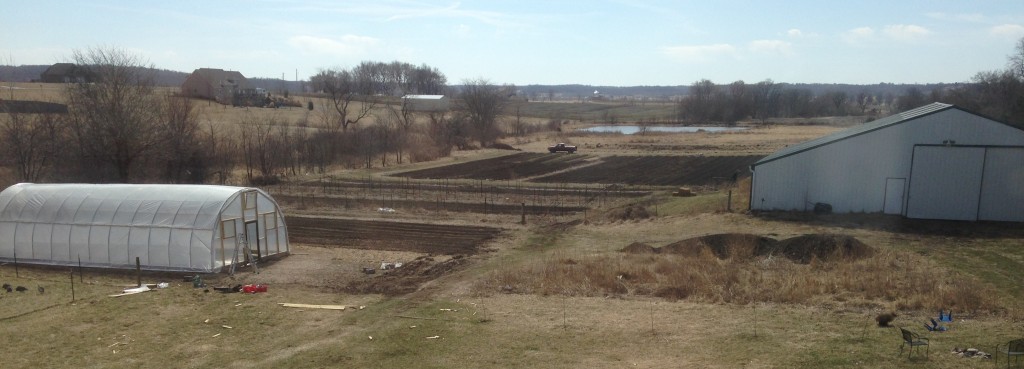
Redfearn Farm Early Spring 2014

No-till vegetable farming has a number of advantages including: reduced soil loss, reduced water use, reduced weed pressure, no damage to soil structure, enhanced earthworm population, retains more carbon in the soil, and reduced tillage costs.

My rationale to experiment with no-till vegetable farming this year is not as altruistic as some.  My reason: I was in a hurry!

Last year we experimented with some trellising techniques that took a considerable amount of time to build and which I didn’t want to disassemble and then try to store.  Also, I needed trellises for the sugar snap peas I am planting (they grow 5′ tall and HAVE to have support). Since I didn’t want to take the trellises down, drive my tractor through and till, form beds, plant and then re-erect the trellis, I though it would be better to just leave them in place.  But, now what? I love my tractor-mounted 5′ tiller, but without that tilling really is a chore. Sorry to all you gardeners that wrestle that front tine tiller around the garden every year, but I really didn’t feel like doing that and didn’t have the time.

Well, I examined the beds in question. They had been planted in tomatoes last year and we’d mulched them heavily with a thick layer of straw. When I pulled back the straw I was delighted to find soft friable soil, not hard packed dirt like you would see if you had left bare earth all winter. The thing is that thick organic mulches protect the soil from compaction and help keep it healthy and more natural.

Think about it: how often in nature do you see absolutely bare earth that has been turned over? In essence no-till organic vegetable farming gets really close to nature. There are drawbacks to no-till vegetable farming, bugs and pests enjoying the protection of your mulch all winter and emerging to munch on your lovely plants is the number one drawback in my opinion. But heck, like I said, I’m too lazy to disassemble and reassemble the trellises, so lets see what happens?

I checked the soil temperature under the mulch: 40 degrees F. That’s the minimum germination temperature. For comparison, my raised-tilled beds were 53 degrees F on the same day and soil temp in the greenhouse was 70 degrees F! Way to go radiant heat energy from the sun! So there you have another disadvantage of no-till vegetable farming: lower soil temperatures in spring. That can be turned into an advantage in the heat of summer though, so it might balance out.

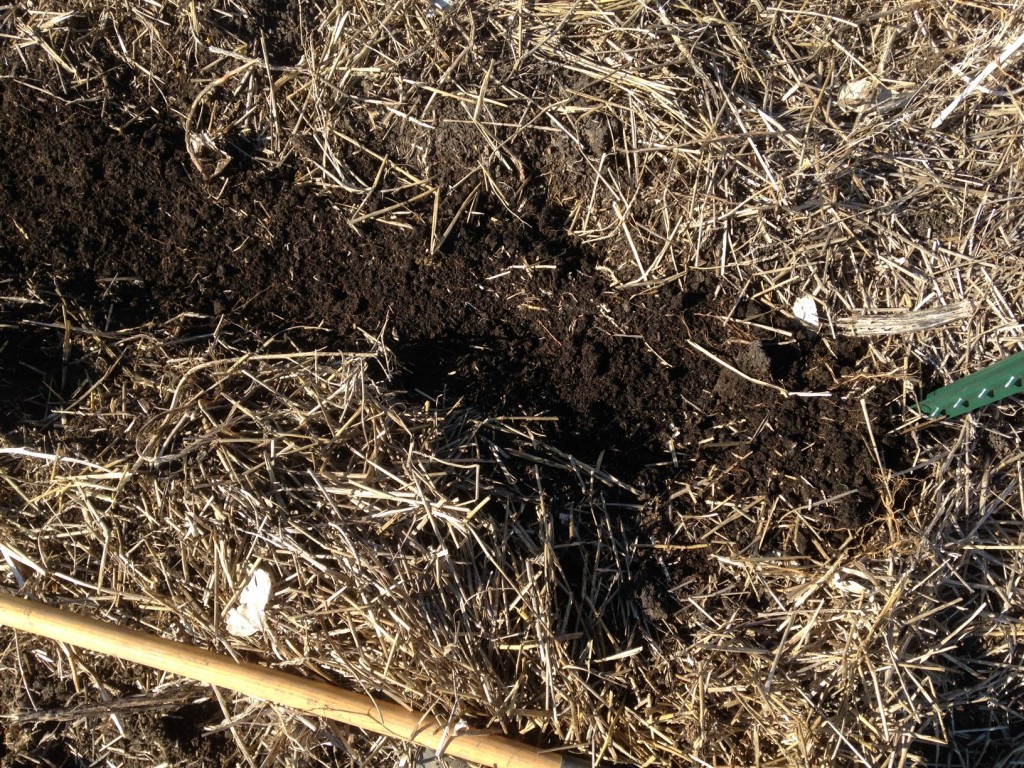
So here’s what I did. I pulled back the straw mulch in a strip about 6 inches wide. Look at that beautiful soil. No need to till this!

Mulch pulled back Independence Organic Farm


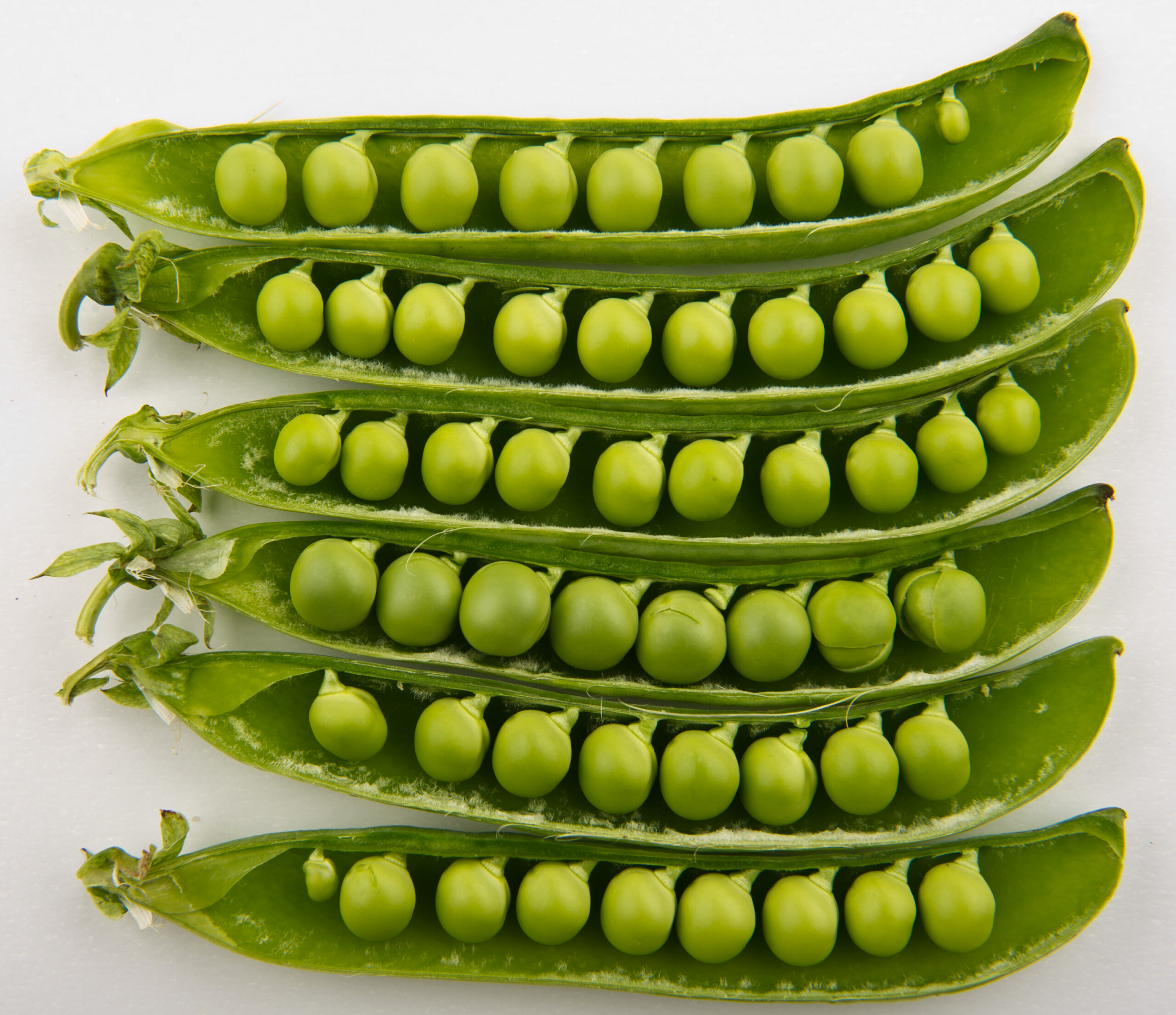
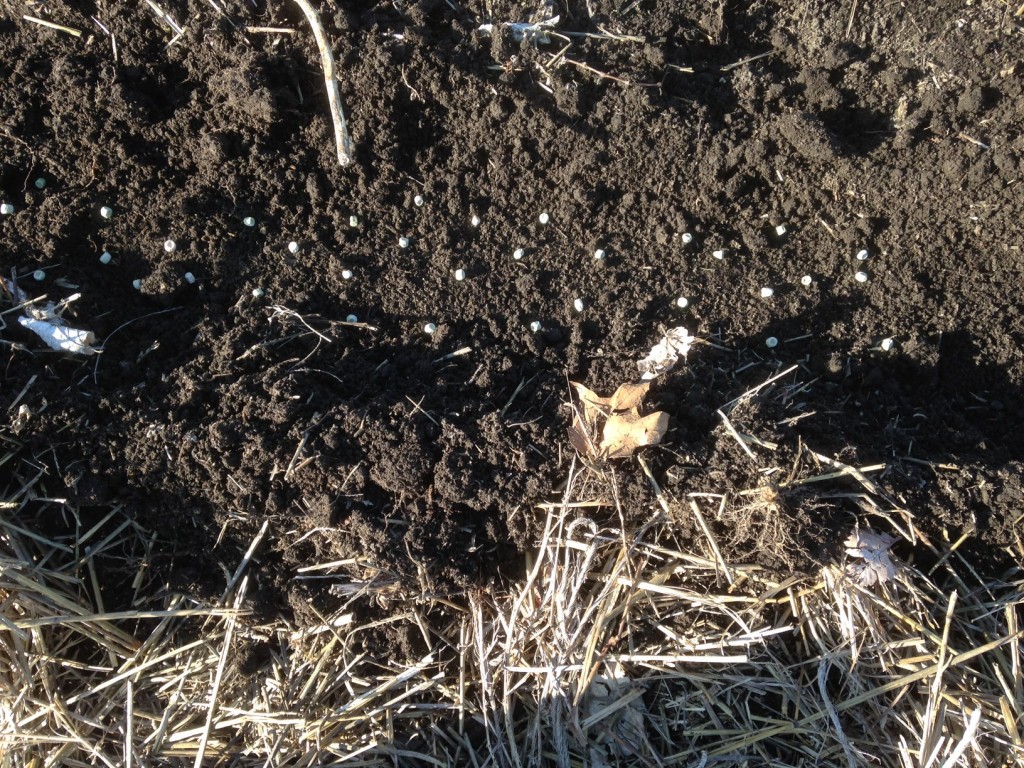
Then I made a small furrow with my hoe and planted the seeds. I planted in about a 3 inch wide band around 1″ apart. At this distance I won’t have to thin them out later on. I just have one of these rows per bed and the beds are 5′ on center, so there’s quite a bit of space between these bands.

Peas in Furrow Organic Farm Kansas City, MO


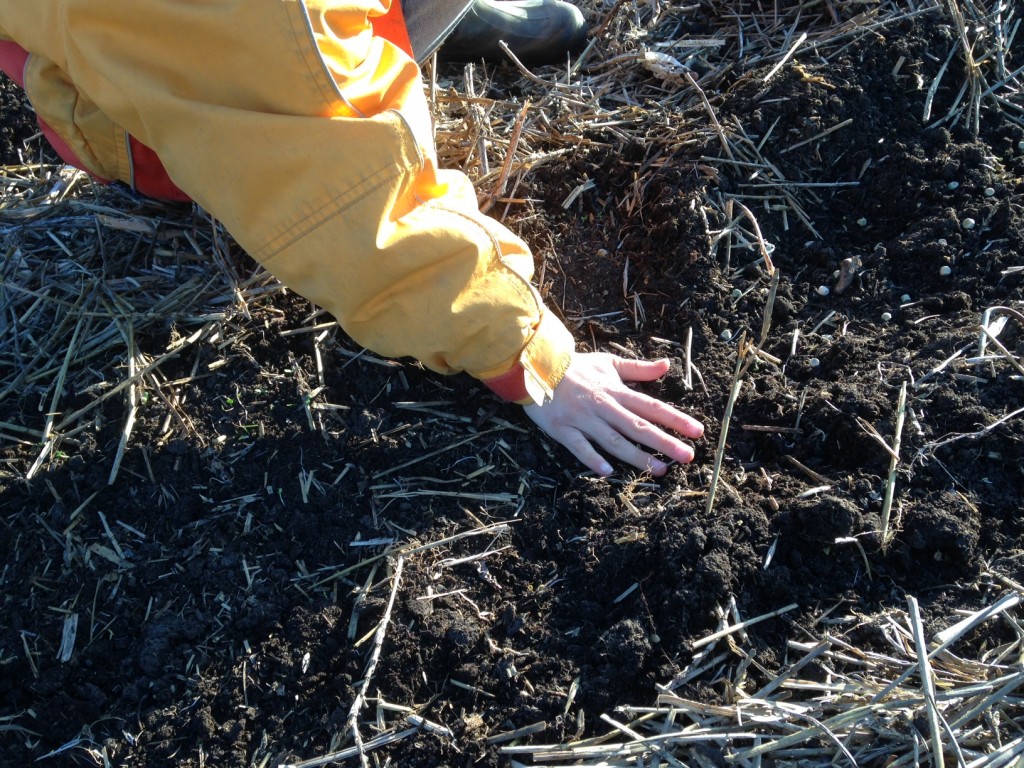
Last step is just to cover with about 1/2 inch of soil and press firmly. (I had some help from some little hands in the garden today).

Pea Padding Redfearn Farm Independence CSA


We’ll see how these do in the coming weeks. I hope the no-till vegetable farming is a success with these delicious sugar snap peas!

For those of you dying to read more on the subject of no-till vegetable farming see: Plowman’s Folly by E. Faulkner. Full disclosure: I haven’t read it yet.

High Tunnel Construction with Friends of Redfearn Farm in KCMO

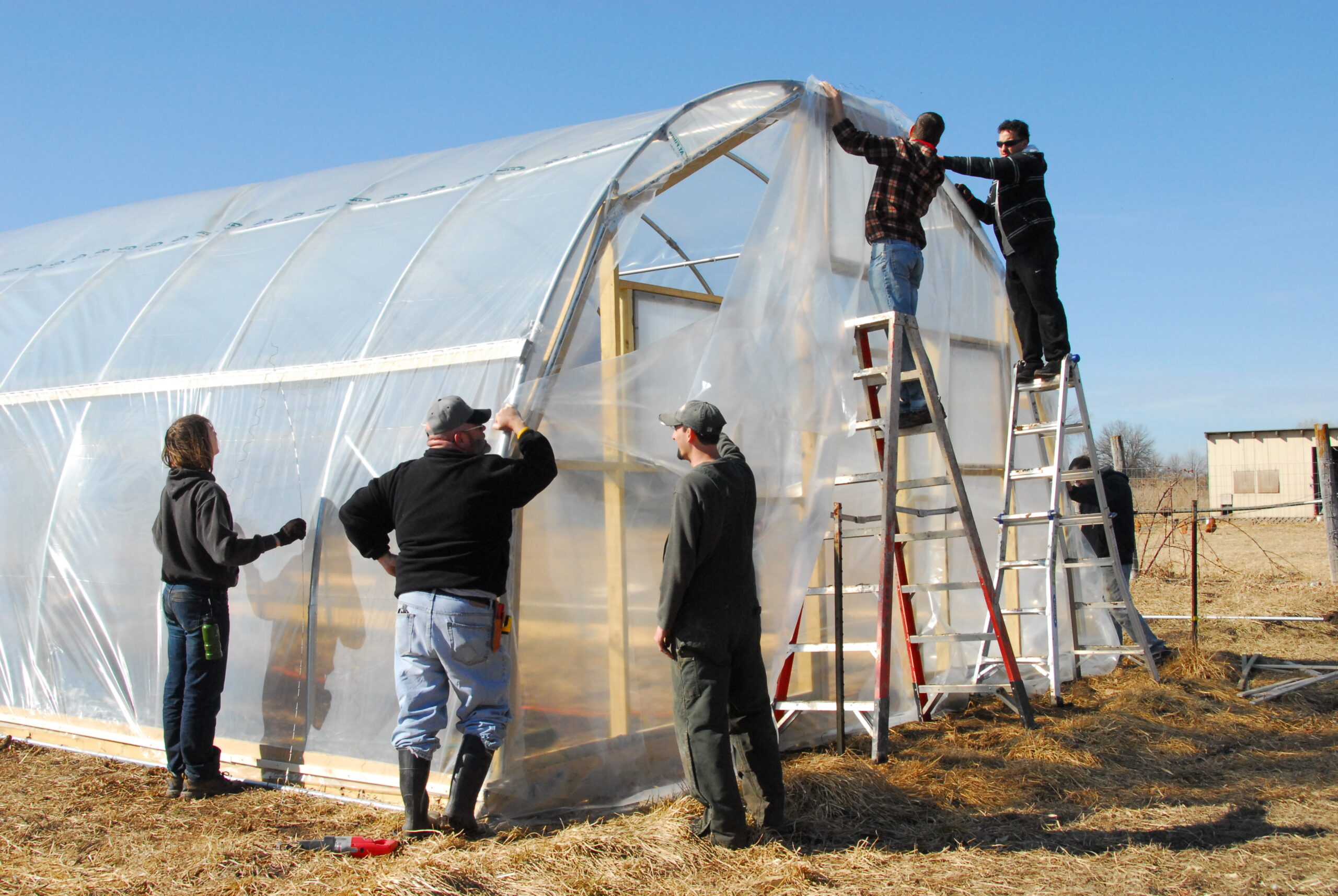
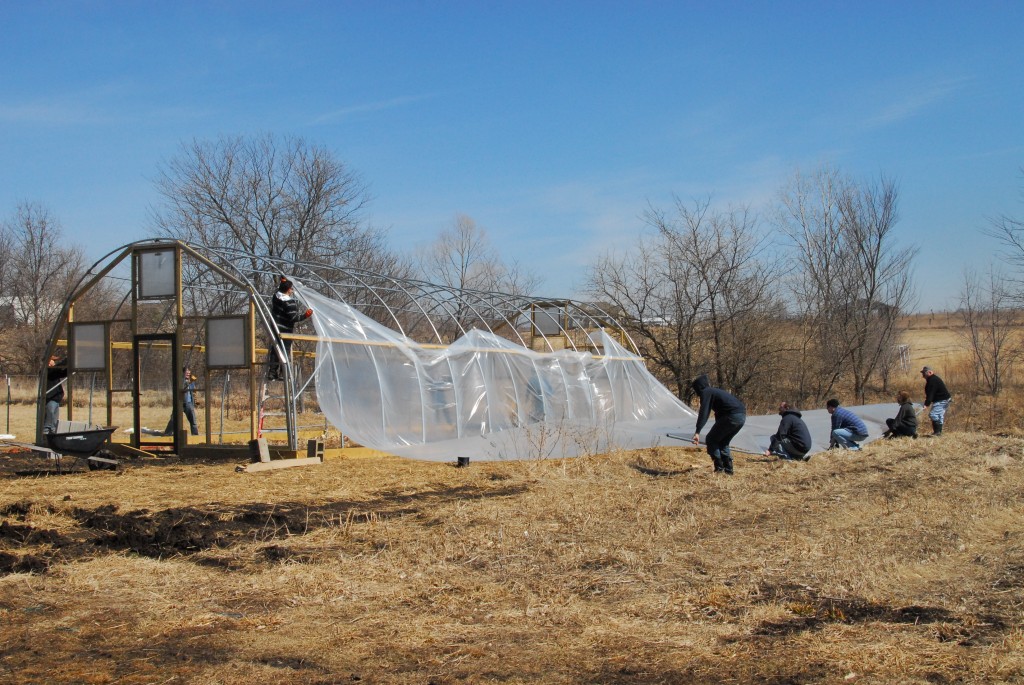
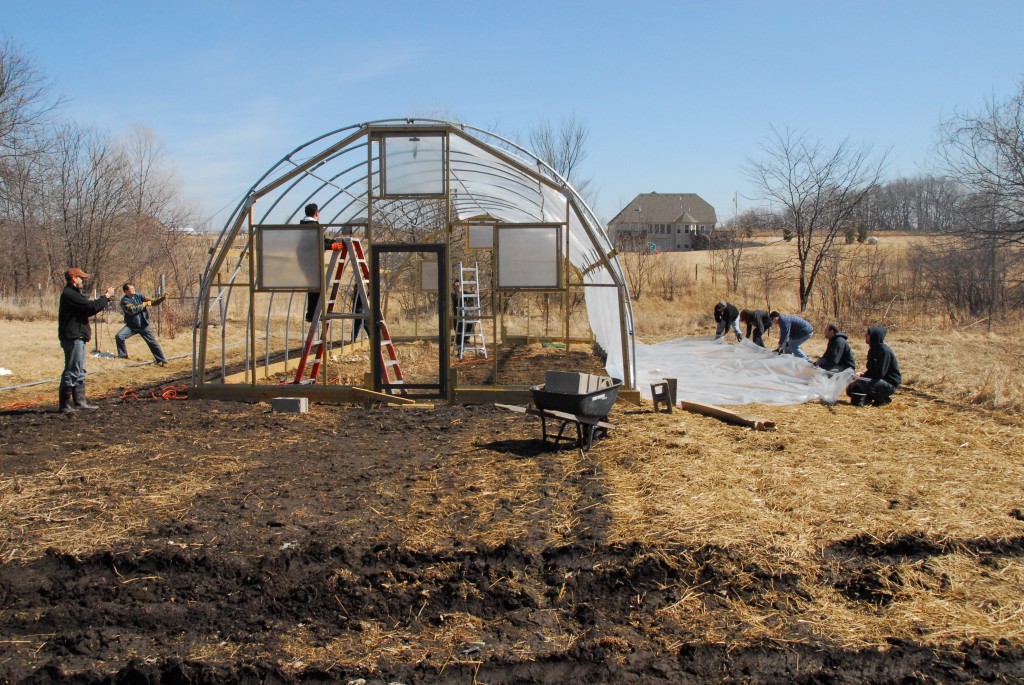
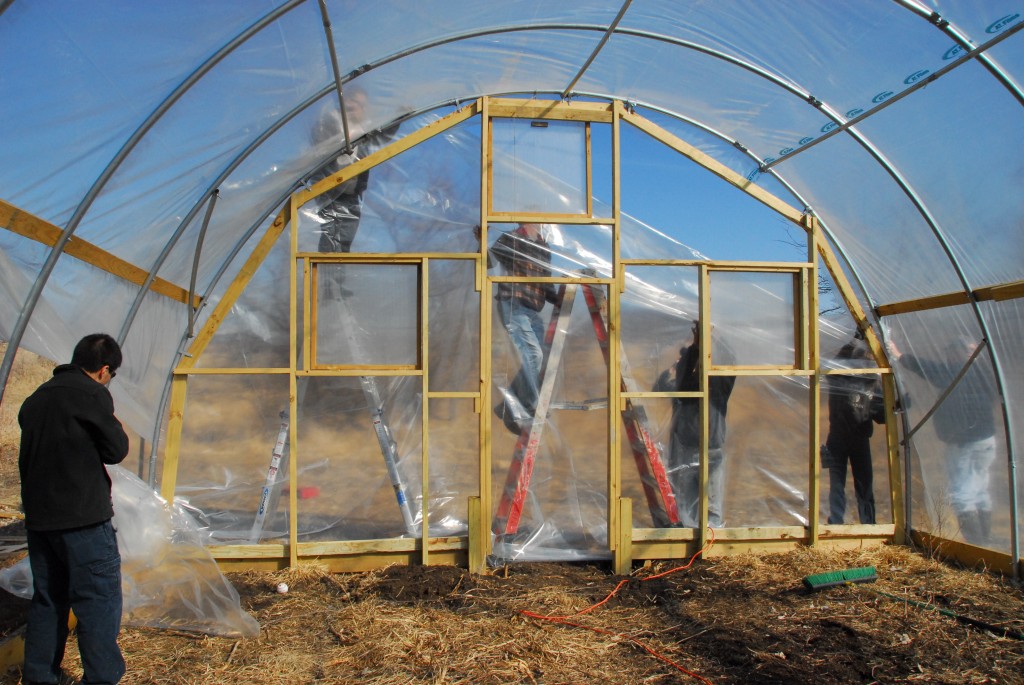
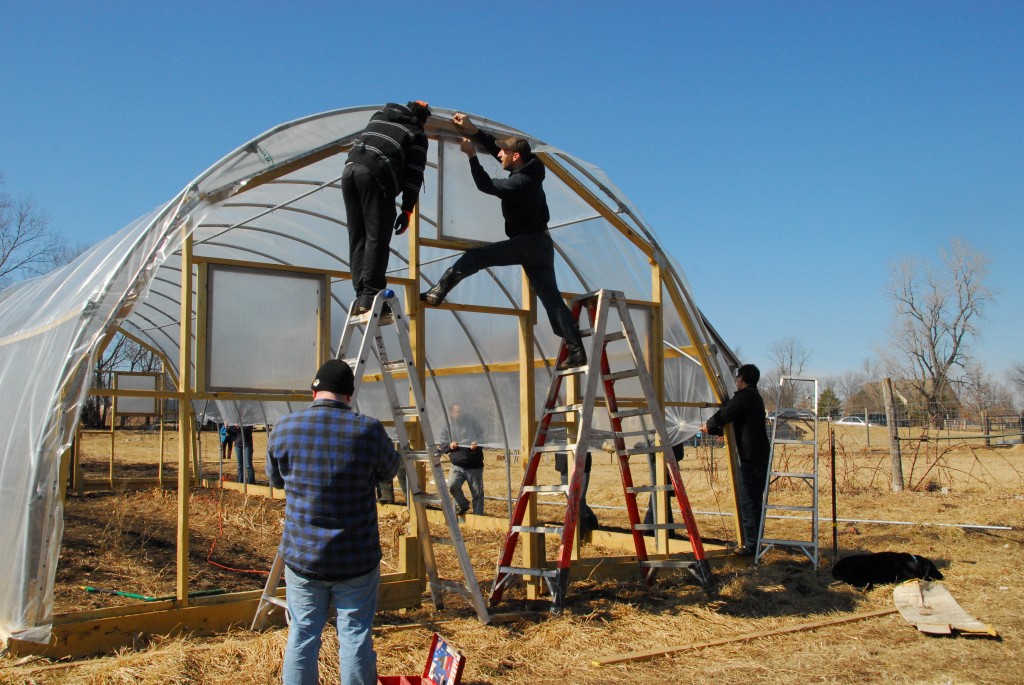
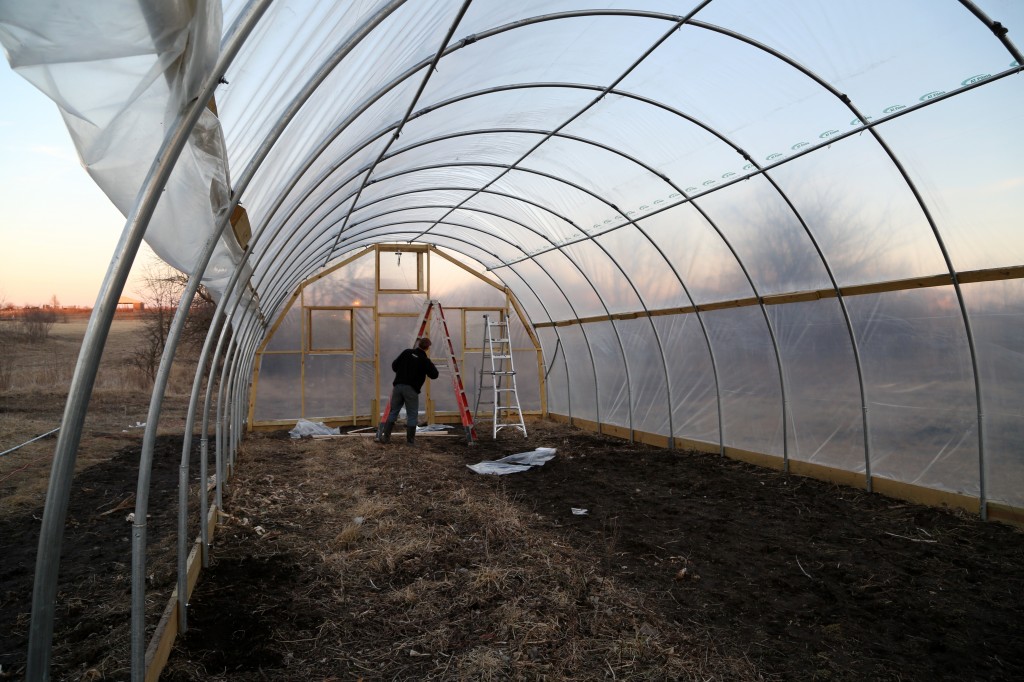
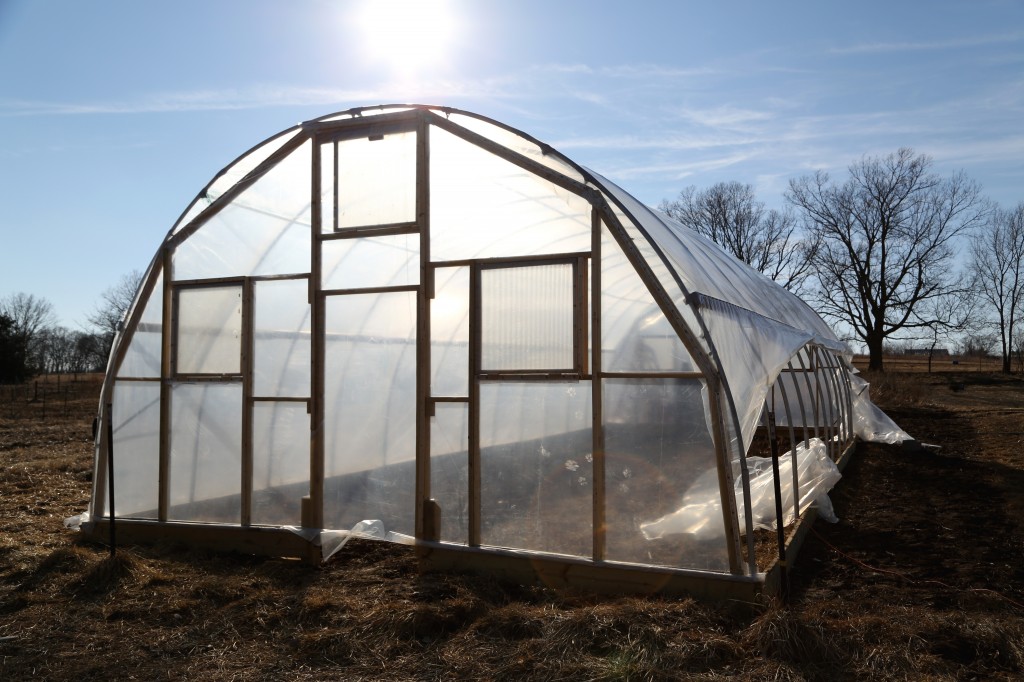
What a day we had the other day installing the plastic on our 50′ x 20′ high tunnel! Thanks to the help of a dozen friends of Where the Redfearn Grows Natural Farms, we succeeded in wrestling the huge sheets of plastic over the hoops. High tunnel construction is not a one person job. Fortunately, through the help of our Facebook page, we were able to get the word out that we needed last minute help. And boy we were encouraged to see the turnout on that windy day!

We were trying to time the high tunnel construction project around the wind because manufacturers recommend installing the plastic when winds are under 5 miles per hour.  Too bad it was still early March in Kansas City; we settled for 17 mph instead.  You haven’t lived until you’ve tried to handle a 60′ x 40′ piece of plastic in the wind! When the plastic was rolled up, it didn’t seem that windy, but once it was fully unrolled, it took all of us just to keep it from flying away.

Here’s a time lapse video of the whole project thanks to Ben Chan!

It was awesome to work together to construct Where the Redfearn Grows Natural Farms first High Tunnel.

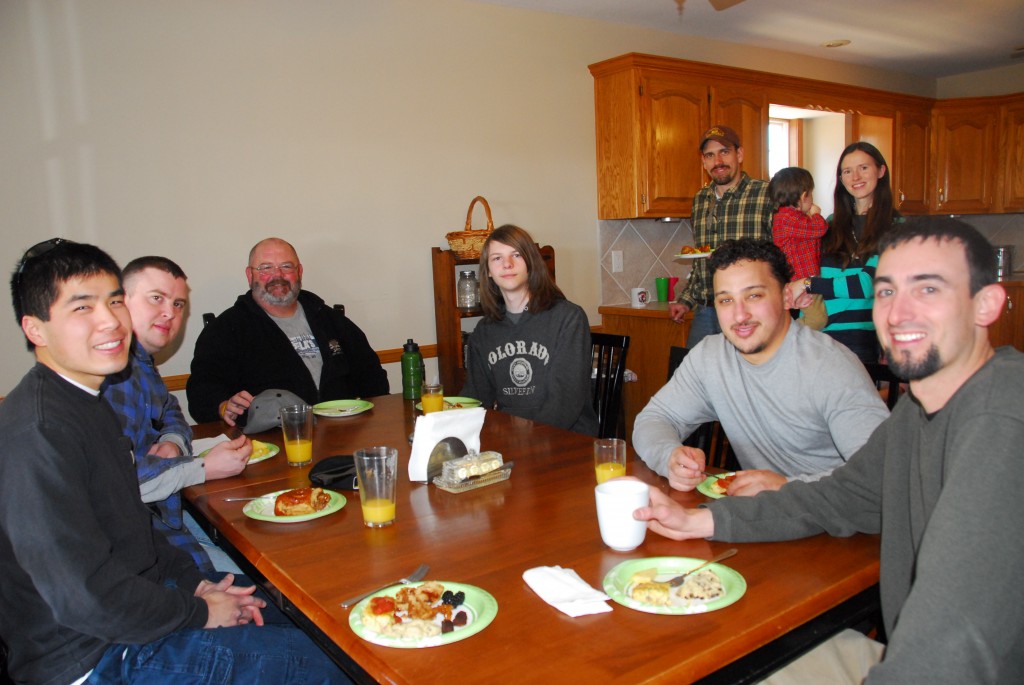
We started with a delicious farm breakfast lunch thanks to Sheri that really fueled up the crew for the work ahead.

The crew at Breakfast Redfearn Farm Independence


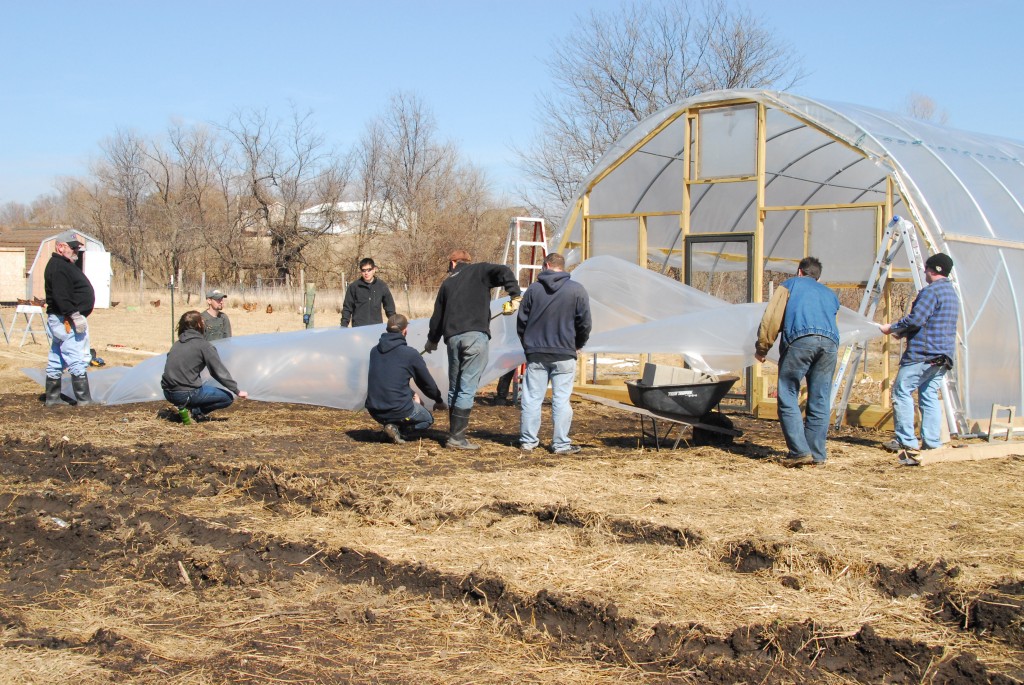
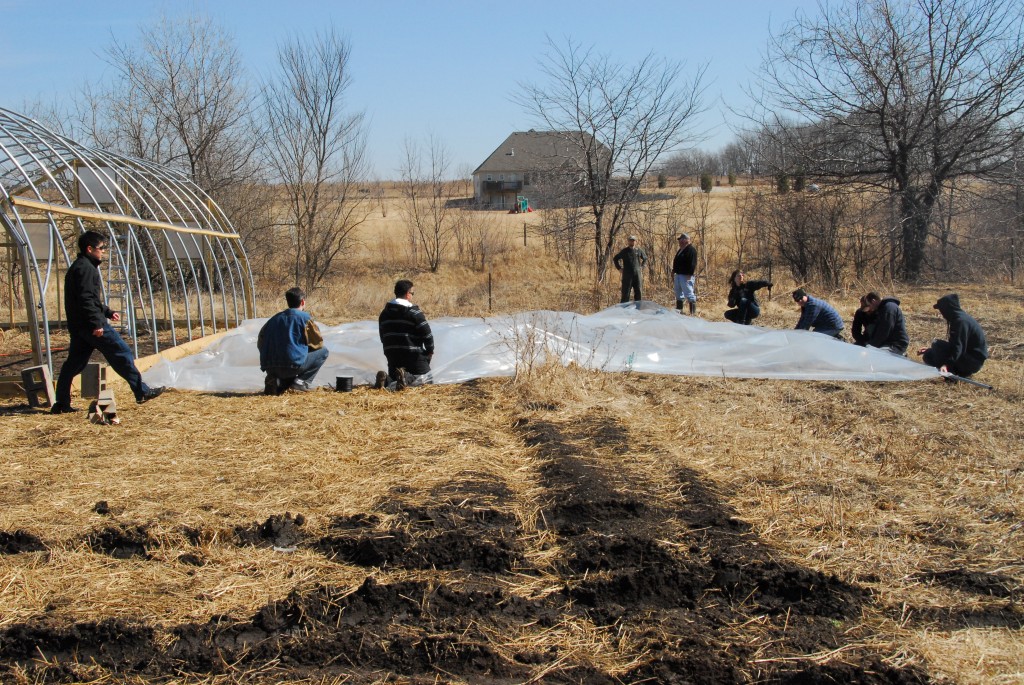
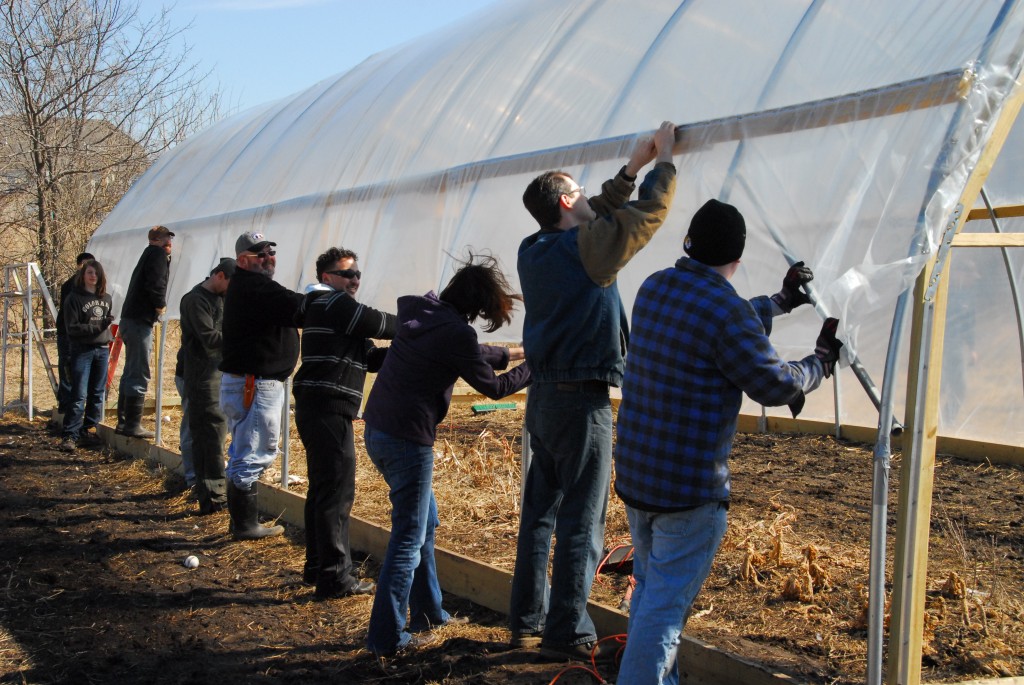
One fueled up with home made sticky buns and egg and sausage casserole it was time to begin the high tunnel construction. We unfolded the plastic and situated it on the upwind side of the greenhouse being very careful not to turn the plastic into a sail and all get blown off the farm.  We then took a baseball and wadded the plastic around the baseball and tied a cord around the plastic to secure it.  We did this in three places and then threw the cord over the top of the high tunnel.  With a couple people in the middle on ladders and the rest of the people holding the upwind side, we tugged and tugged to get it up over the high tunnel.

First Holding High Tunnel Plastic


Preparing Plastic Near High Tunnel

First Pulling Over Plastic Independence CSA

Pulling Plastic Over High Tunnel Lee's Summit


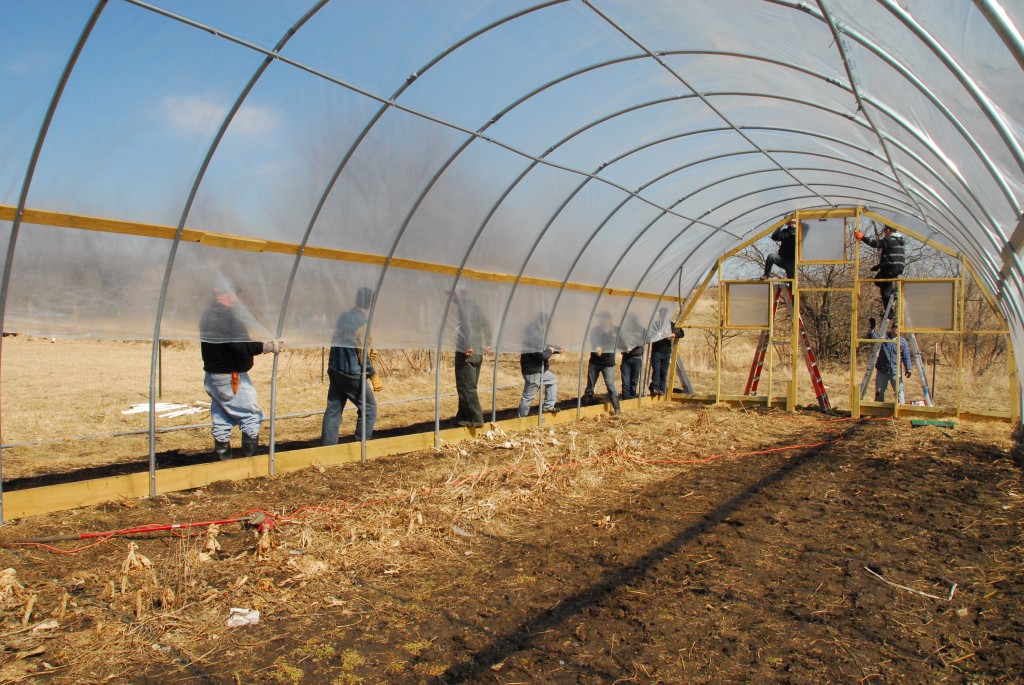
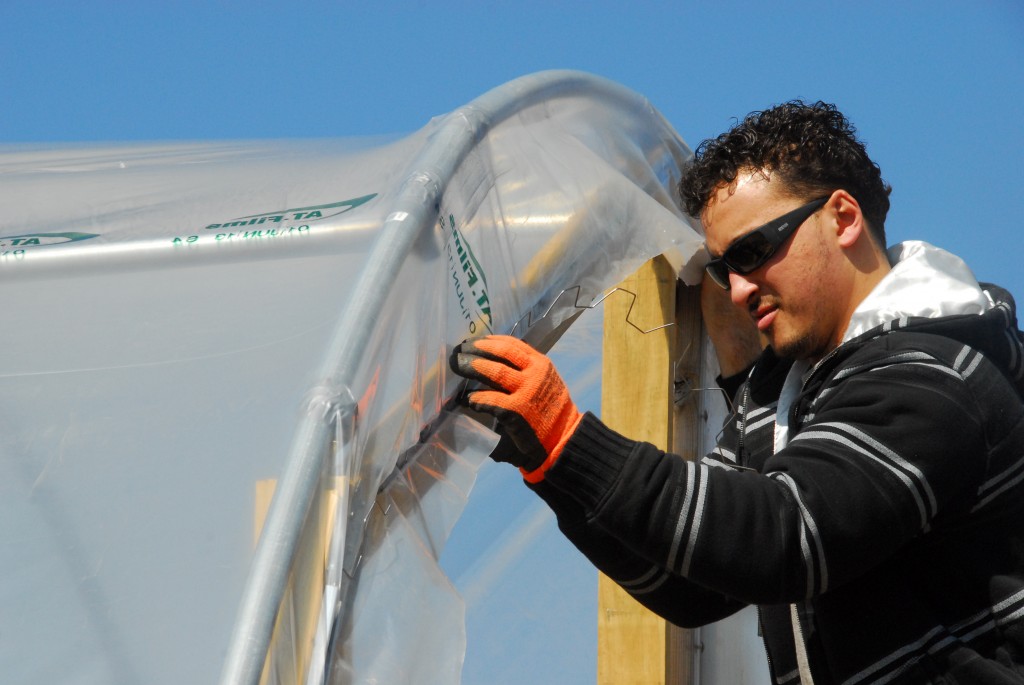
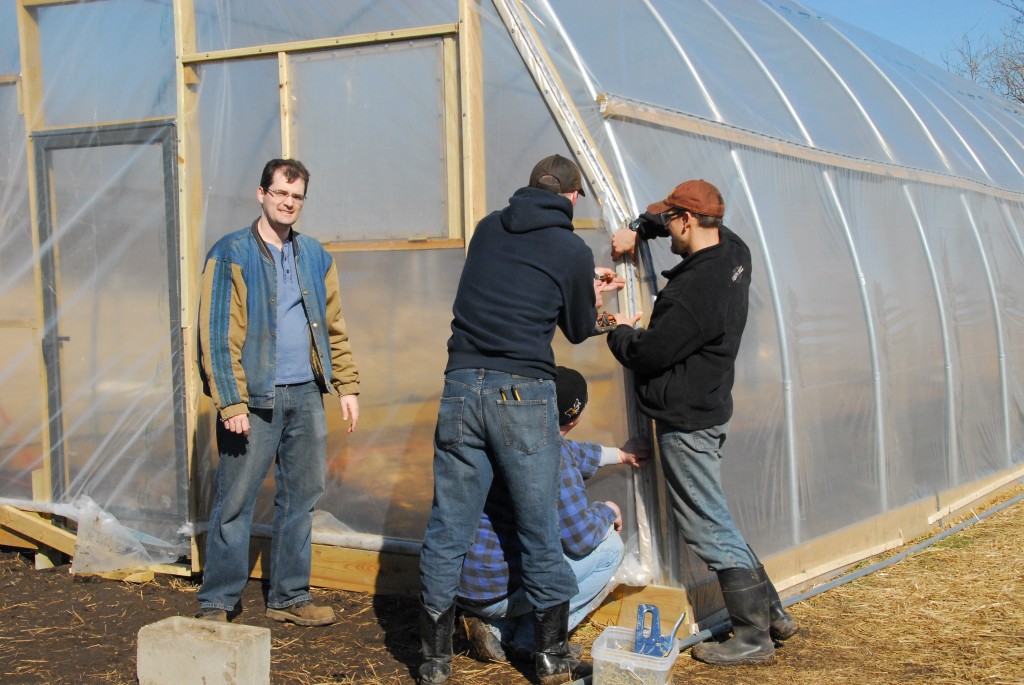
Once the plastic was all the way over the greenhouse, the next step in the high tunnel construction project was stretching and anchoring the plastic.  For connecting the main piece we used a product called wiggle wire which I would say is well worth the money. Wiggle wire consists of an aluminum U-channel and a zig-zagged spring.  You anchor the channel to the greenhouse, stretch the plastic over the channel and insert the wiggle wire back and fort into the channel.

Holding High Tunnel Plastic On Lee's SummitPulling Plastic from Inside Independence

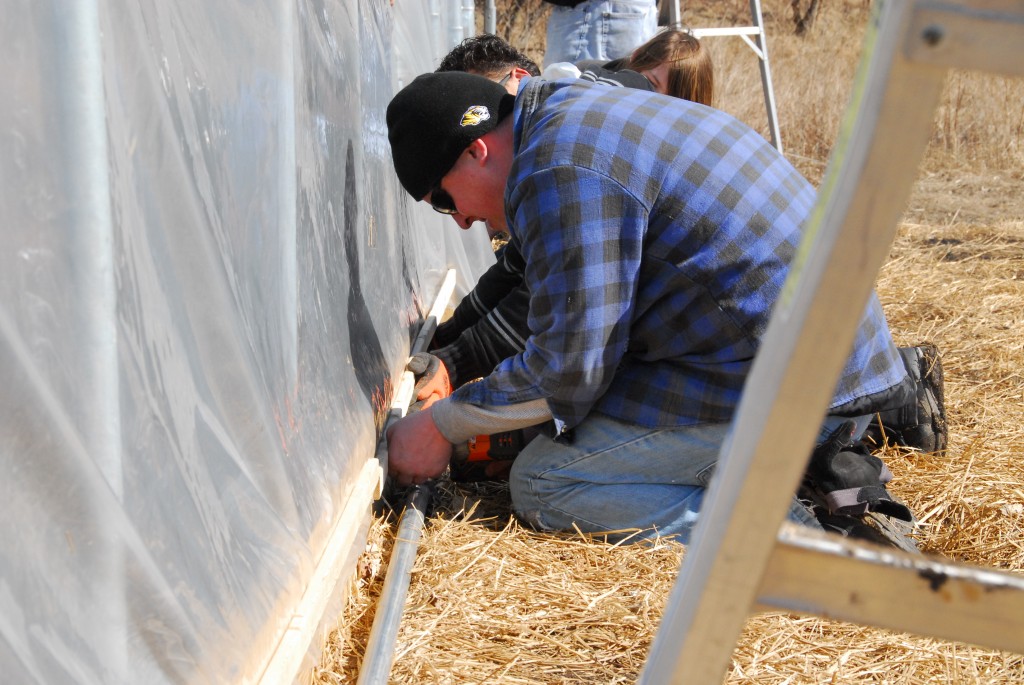
The end wall pieces we installed using batten boards.  On the edges of the plastic we rolled the board in the plastic several times before securing to the frame with screws. In the middle of the end walls we just screwed on the 1×2 batten boards to the frame with the plastic in between.

Daniel closeup Missouri CSA Farm Construction From Inside High Tunnel Ladder Straddle High Tunnel Independence Mike D Greenhouse Construction Independence

The high tunnel construction project ended with us cutting around the windows and doors which I had installed earlier. See greenhouse end wall construction for more info on that.

We’re glad to have the high tunnel construction project mostly behind us. Now we’re preparing to fill it with thousands of seedlings for our CSA.

From Inside High Tunnel Independence Eric Bultman Managing High Tunnel Sun Lighting Up High Tunnel Posed in Front of High Tunnel Redfearn Farm

End Note: When you do this, make sure you get big enough plastic. We ordered the high tunnel frames with longer ground posts to allow for a higher ceiling, but in the ordering process, the plastic size somehow didn’t get changed.  We had to order a strip of plastic to fill in the missing gap. I wasn’t too disappointed, though because was planning to install roll-up curtain sides for ventilation anyway. More on that next week on the blog.

Photos of the high tunnel construction project by Ben Chan and Rod Lentz.

Discounted Community Supported Agriculture Shares

Act now to get your discounted community supported agriculture shares from Where the Redfearn Grows Natural Farms. Our 10% early bird discount ends Saturday March 15, 2014. You won’t find another opportunity to lock in such low rates for bountiful boxes of organic vegetables this season, so don’t delay! Sign now to save 10% off the 24 week season.

Our 10% Early Bird Discount Ends Soon!

Photo by Grandpa Lentz at Where the Redfearn Grows Natural Farms. Dicksissle eating a caterpillar.

When you become a member of our Community Supported Agriculture program, you are purchasing a share of vegetables produced naturally here in Independence, MO at Where the Redfearn Grows Natural Farms. Your box of fresh-picked vegetables will be available for pick-up at the farm every week on your selected pick-up day from May through October.

When you become a member of our CSA you join a community that is mutually dependent. This is what community supported agriculture is all about—community coming together to do what big agricultural conglomerates could not—develop locally sustainable structures for feeding communities the healthiest and freshest produce possible.

The plants are already growing for you discounted community supported agriculture shares at the farm here in the Kansas City area. Spring is almost here and this discount is about to end.

We hope you will consider joining our Community Supported Agriculture family for the 2014 season and begin the journey of developing sustainable agricultural models that will continue feeding our community for years to come.

You know what they say about the early bird? Don’t miss out on this once-in-the-season sale! Get your discounted community supported agriculture shares today!

CSA Share Blue Springs Lee's Summit Independence
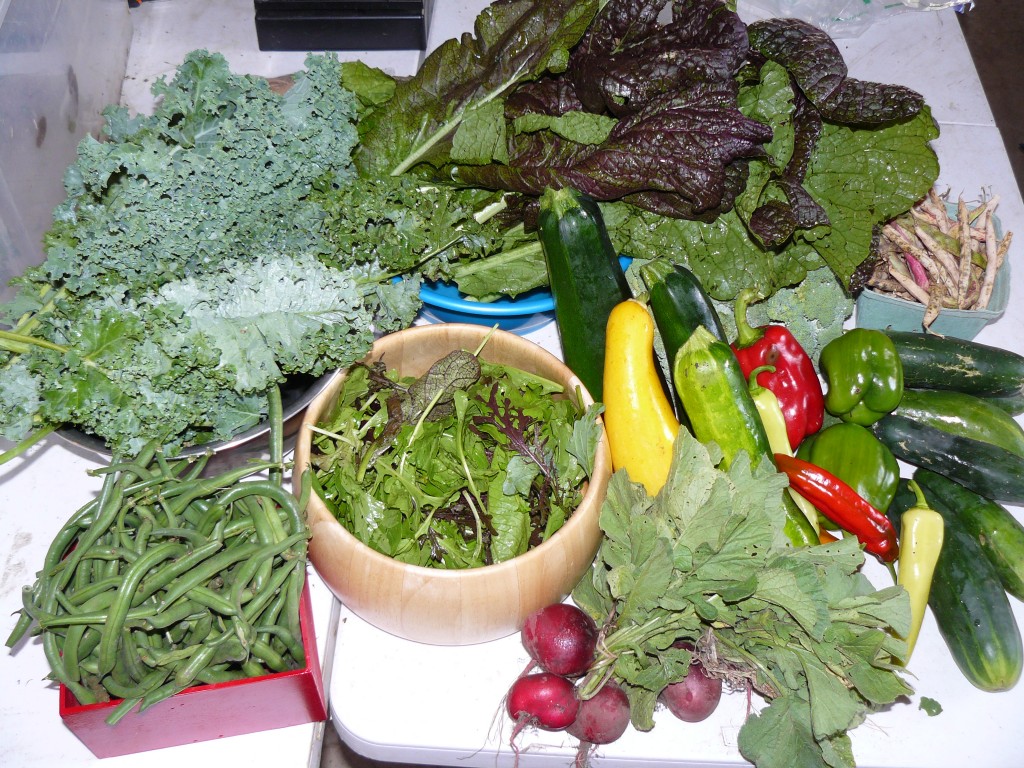
An actual full vegetable share from Where the Redfearn Grows Natural Farms on September 30, 2014


Why Buy Locally Grown in Kansas City?

So what’s the big deal about buying local? I mean, are locally grown vegetables and fruits better for me, my community and the environment? Can’t I just buy certified organic produce at the supermarket and feel good about my buying habits? Let me try to explain in a short list why buying locally grown produce is a great idea.

Farmers Market Locally Grown Kansas City

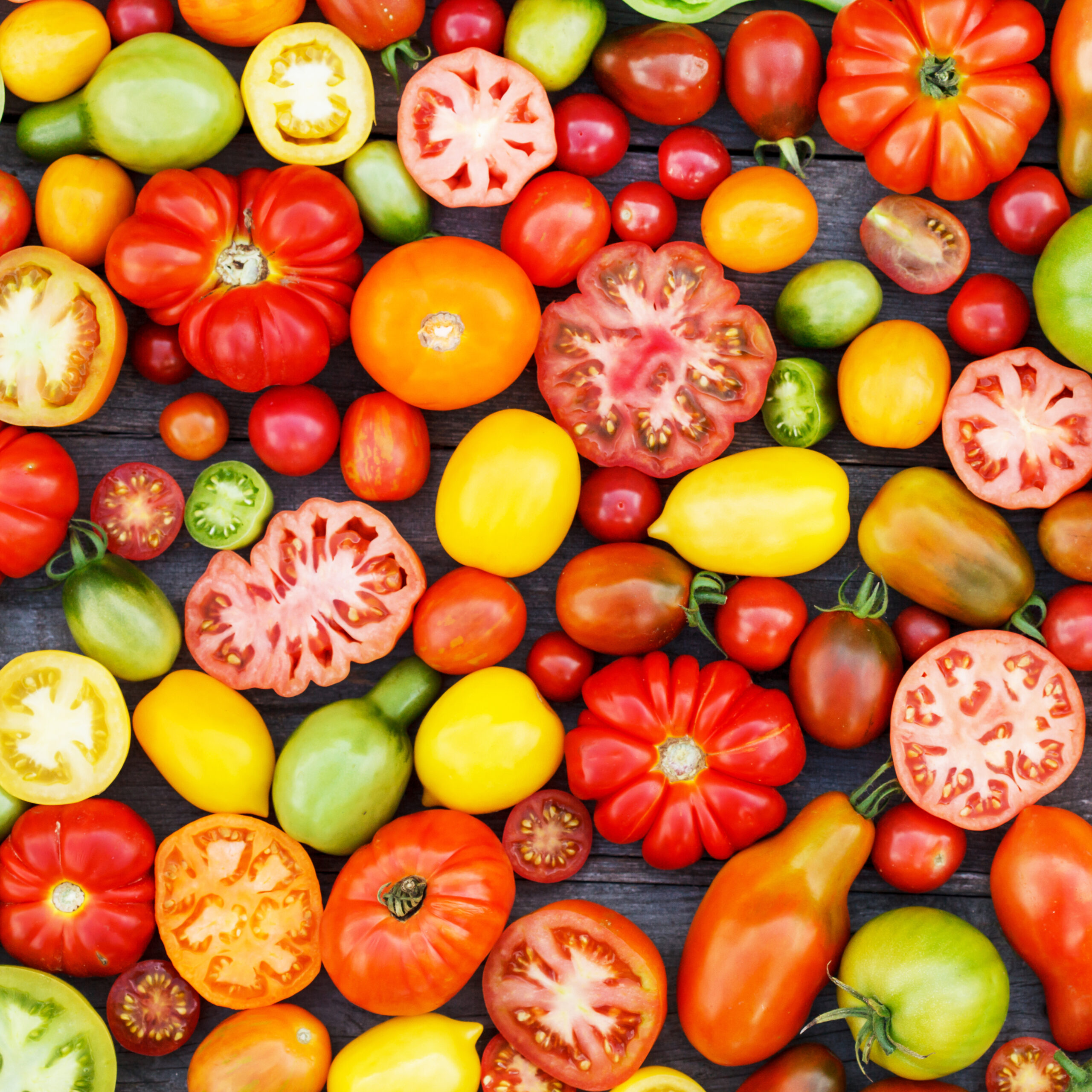
Locally Grown Food Tastes Better. When you buy Locally grown food grown right here in Kansas City, you’ll enjoy food picked just hours before you receive it rather.  Produce that travels long distances is days older.  Your fruits and vegetables lose much of their flavor and vitality while on the road.  In addition, food grown for the supermarket and the long ride from out of state or out of country is bred specifically to tolerate shipping stresses not for robust flavor.  In addition, trucked in produce is usually picked early for transport and not allowed to ripen to fullness of flavor. Many of the heirloom tomato varieties we grow cannot be found at the supermarket because, when ripe they are especially easy to damage. When you get the precious cargo of a Cherokee Purple or Pink Brandywine tomato home, you’ll definitely taste the difference.

Locally Grown Food is Better for You. Once harvested, produce starts loosing its nutrients. Kansas City grown produce at Where the Redfearn Grows Natural Farms is harvested the same day its picked up. Our CSA produce is also grown without dangerous chemicals and pesticides.

Locally Grown Food Conserves Energy. In America, our food travels an average of 1500 miles before reaching our plates. This has resulted in a troubling dependence upon petroleum.  By buying Kansas City grown produce, you’ll be saving energy from transport.

Locally Grown Food Builds Genetic Diversity. Large commercial growers primarily focus on a small number of hybrid fruit and vegetable varieties bred specifically to tolerate harvesting, packing, shipping and storage. This has resulted in a dangerously small number of viable genetic strains in the food supply besides a woefully small selection at the supermarket.  At Where the Redfearn Grows Natural Farms, we grow some hybrid varieties as well as heirloom vegetable varieties that yield eye-catching diversity of color and clearly distinguishable differences in flavor.  For just tomatoes we are planting 12 distinct tomato varieties ranging in color from sunshine yellow to fire engine red to deep purple to black.  Community Supported Agriculture customers will be receiving tremendous diversity in their weekly shares.

Locally Grown Food Generates Less Waste. Think of all the packaging wasted at the supermarket. Your CSA box is literally a reusable box that you will return each week for a full box.

Locally Grown Food Builds Community. It is our mission at Where the Redfearn Grows Natural Farms to build a community of food-conscious people.  We want to build a connection between the farmer and the consumer. CSA customers have opportunities to interact with each other and their farmers on pickup days and through volunteer workdays. There is something special about knowing where your food comes from and taking part in it’s production.

Locally Grown Food Benefits the Environment. Small family farmers tend to be better stewards of the land than commercial agrobusinesses. At Where the Redfearn Grows Natural Farms we aim to preserve the native Kansas City wildlife. We leave ample open spaces of wildflowers and hedgerows to provide cover for countless species of birds and insects.

Locally Grown Food Supports Local Farmers. The Redfearn Family farms because we love to eat delicious and healthy produce that is locally grown, but we wouldn’t do it if there was no opportunity to make a livelihood. Believe it or not, growing great food costs money. The money you spend for your CSA subscription or for that dozen eggs goes back into your local economy where we buy fuel for our tractor or feed for our chickens. Buying trucked in zuchinni from Chile provides little economic benefit to your neighbors.

Locally Grown Food is About the Future. Buying locally grown food today helps keep the choice alive in Kansas City for tomorrow. When you make the conscious decision to buy local and let others know of your choice, you raise the consciousness of your family, friends and neighbors. You can start by Liking us on Facebook and tell your friends!


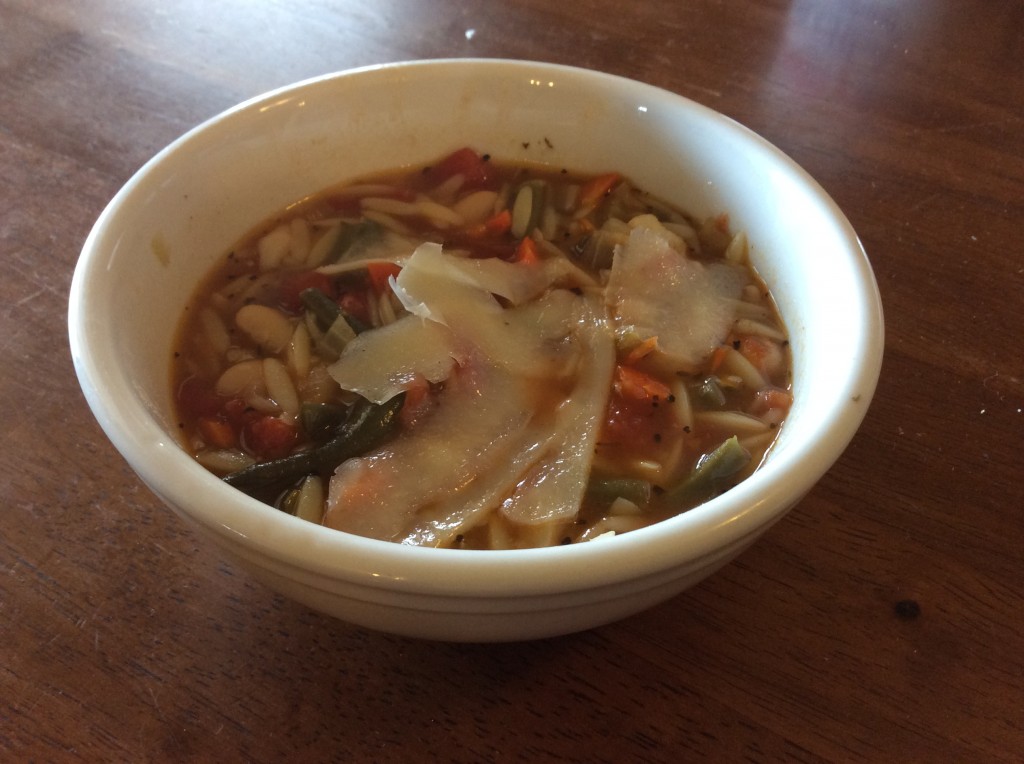
Minestrone Soup

Minestrone Soup is a healthy, vegetable-rich soup that can be varied depending on what is in season or available through your local CSA Coop. Zucchini can be added or substitute for green beans. Fresh tomatoes (peeled and chopped) can be used in place of canned.

Ingredients

2 or 3 Tablespoons Olive Oil

1 large Onion, chopped

3 stalks Celery, diced

2 or 3 carrots, peeled and diced

1/2 pound Green beans, fresh or frozen, cut into 1/2 inch pieces

5 or 6 cloves Garlic, finely chopped

1 teaspoon dried oregano

1 teaspoon dried basil

Salt and Pepper

2- 15ounce cans of diced tomatoes (or 3.5 Cups peeled and chopped fresh tomatoes), an additional can may be used for extra tomato flavor

1- 15 ounce can white or red kidney beans, drained and rinsed (or 2 cups cooked beans)

6 Cups Chicken broth (homemade is best!), additional broth may be needed if soup is too thick

1 Cup (uncooked) Orzo, or other small pasta noodle

Parmesan cheese (for serving, optional)

Fresh Basil, chopped (for serving, optional, but adds great flavor)

Directions:

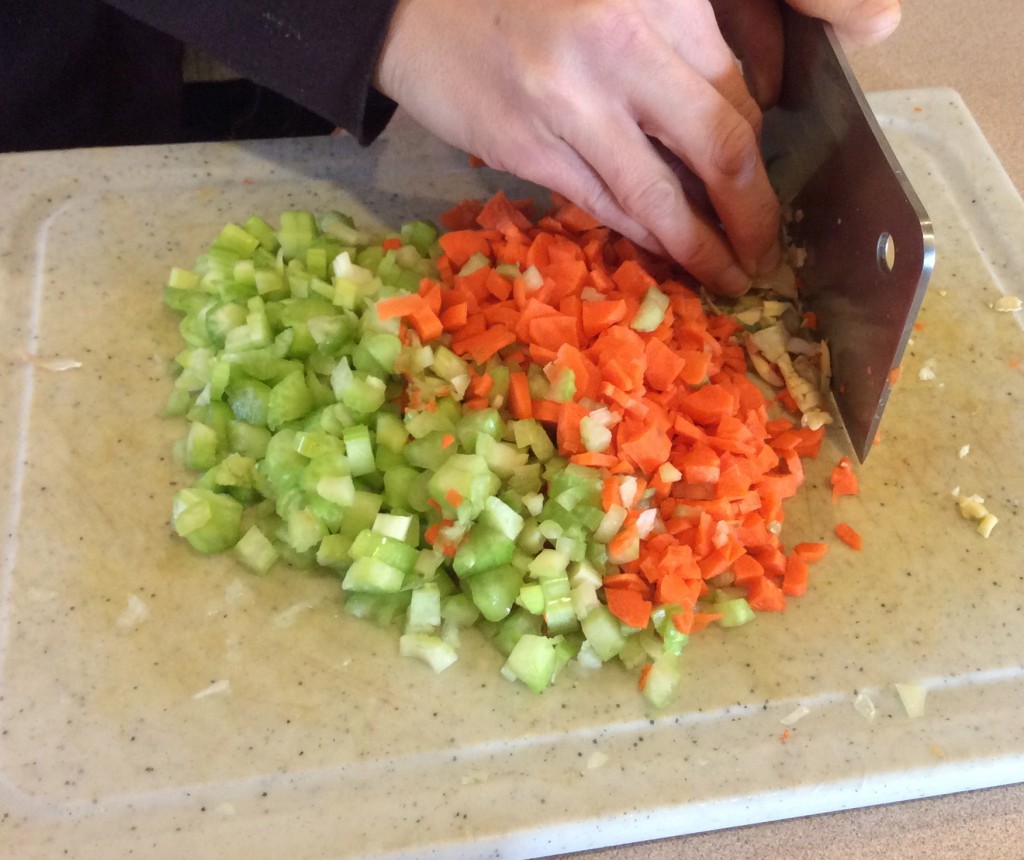
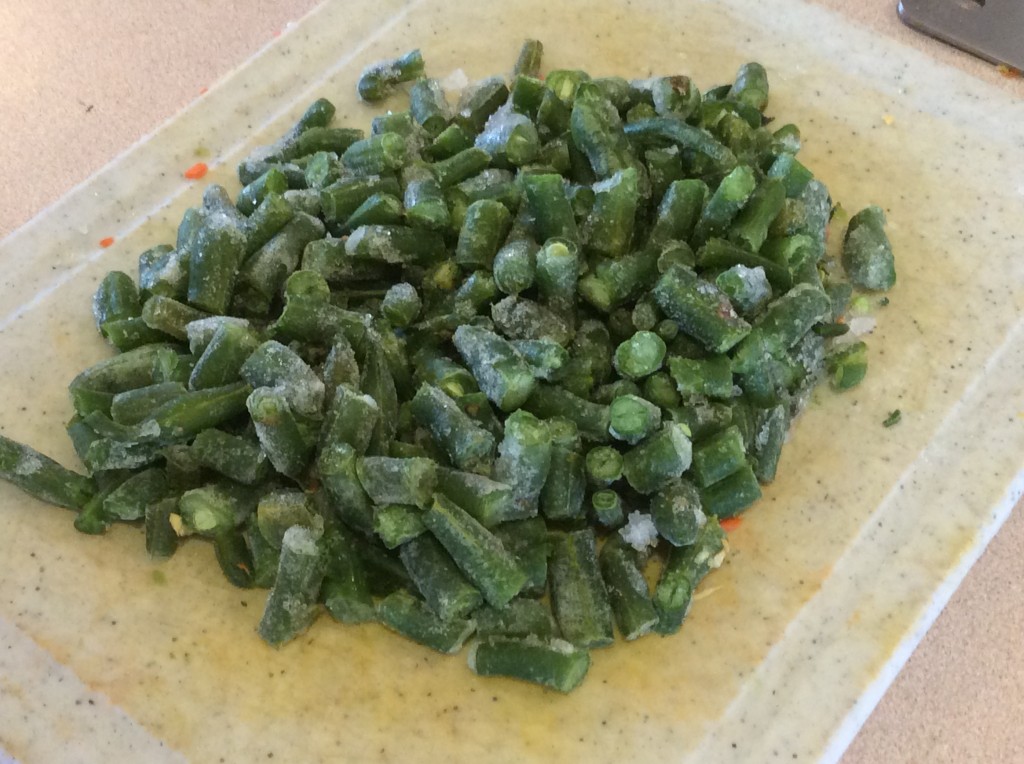
Prepare vegetables.

Carrots, celery, chopped CSA Independence


Green beans, cut, CSA Independence

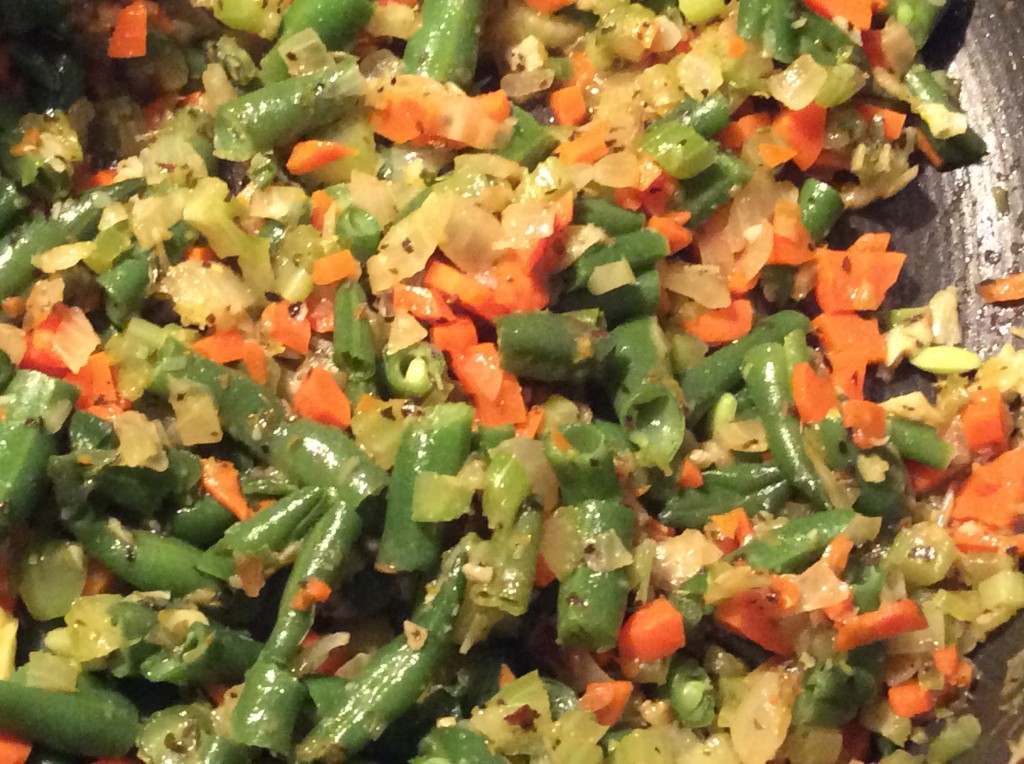
Heat olive oil in a large pot over medium heat. Add chopped onion and sauté until onion softens, about 5 minutes.  Add diced celery and carrot and cook until slightly softened and onion begins to color.  Stir in the green beans, chopped garlic, oregano, basil and salt and pepper to taste. Cook, while stirring, 3 more minutes. Cook’s note: sautéing the vegetables before adding liquid adds a depth of flavor to the soup.

Sauteed onions, carrots, celery, beans CSA Independence


Add the cans of tomatoes and chicken broth; bring to a boil over med-high heat. Add the beans and pasta and cook for 8 to 10 minutes, until pasta and vegetables are tender.  

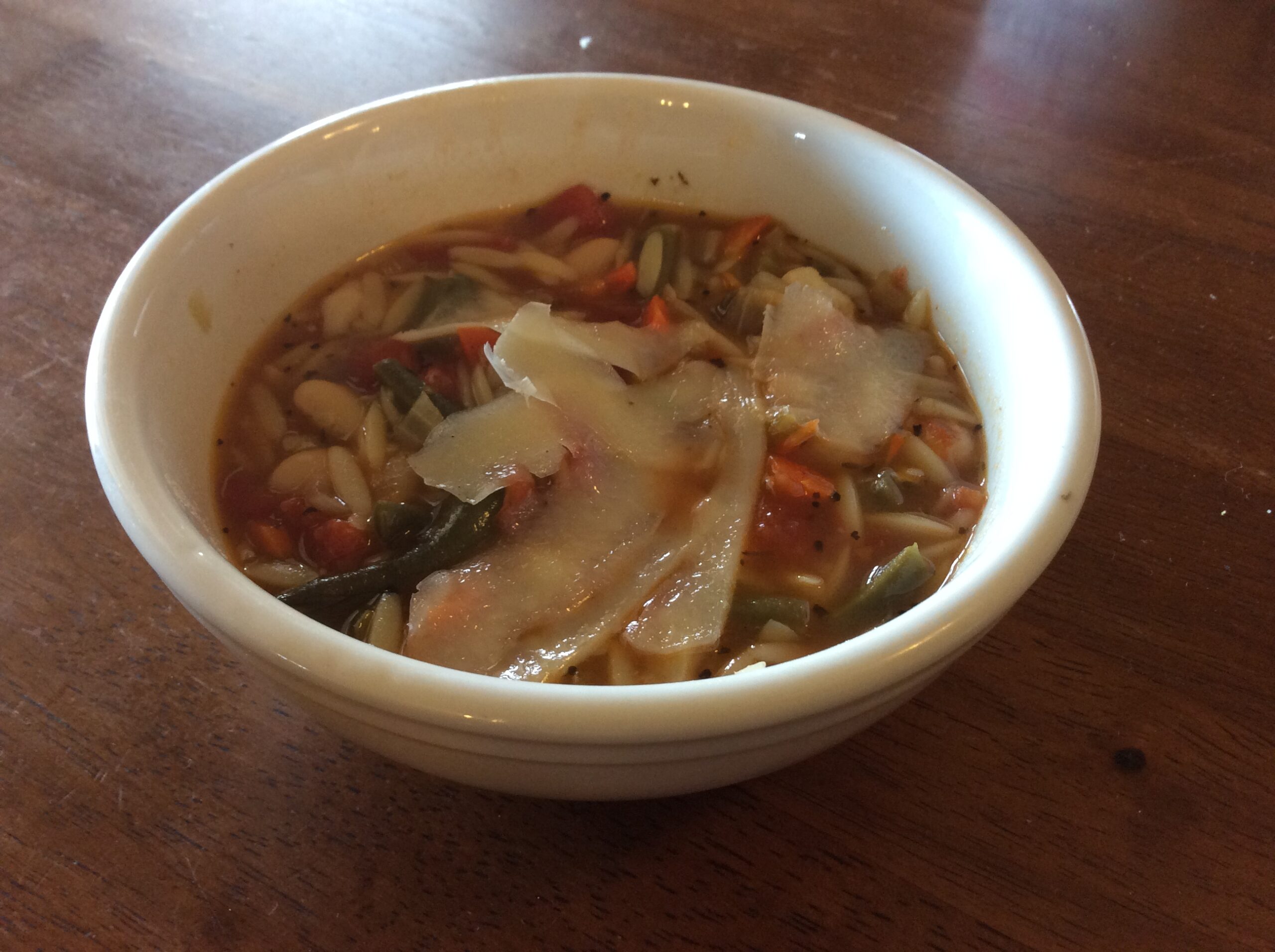
Ladle into bowls and garnish with shredded parmesan and chopped fresh basil, if desired.

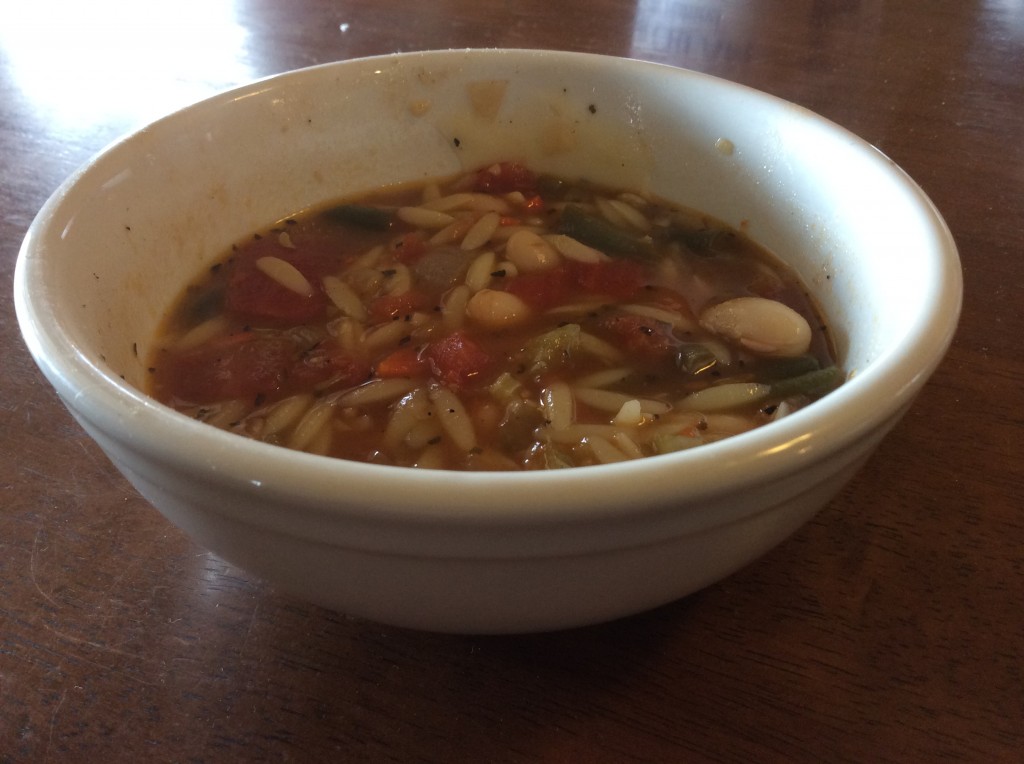
Minestrone bowl CSA Independence

Minestrone Parmesan CSA Independence