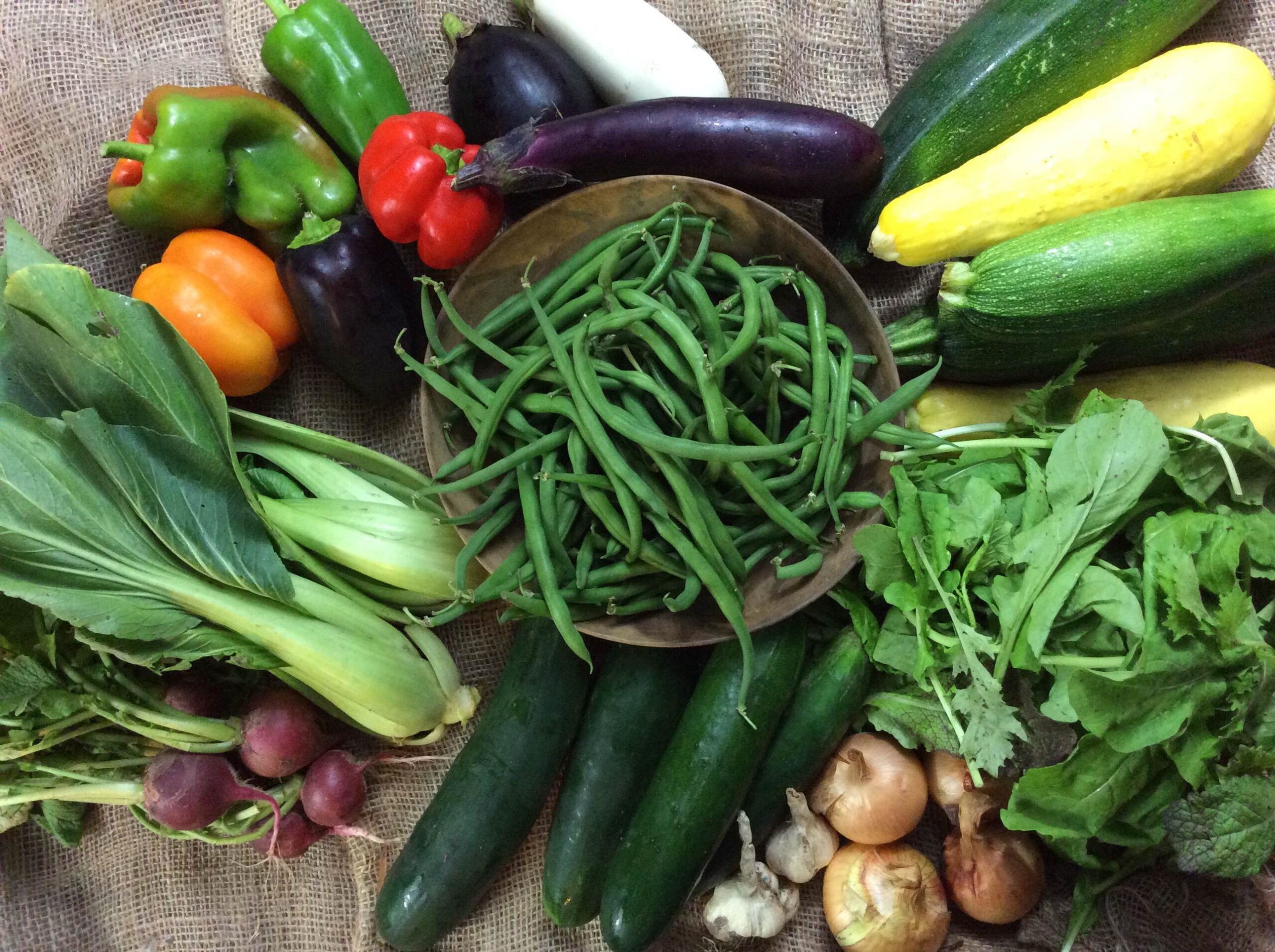
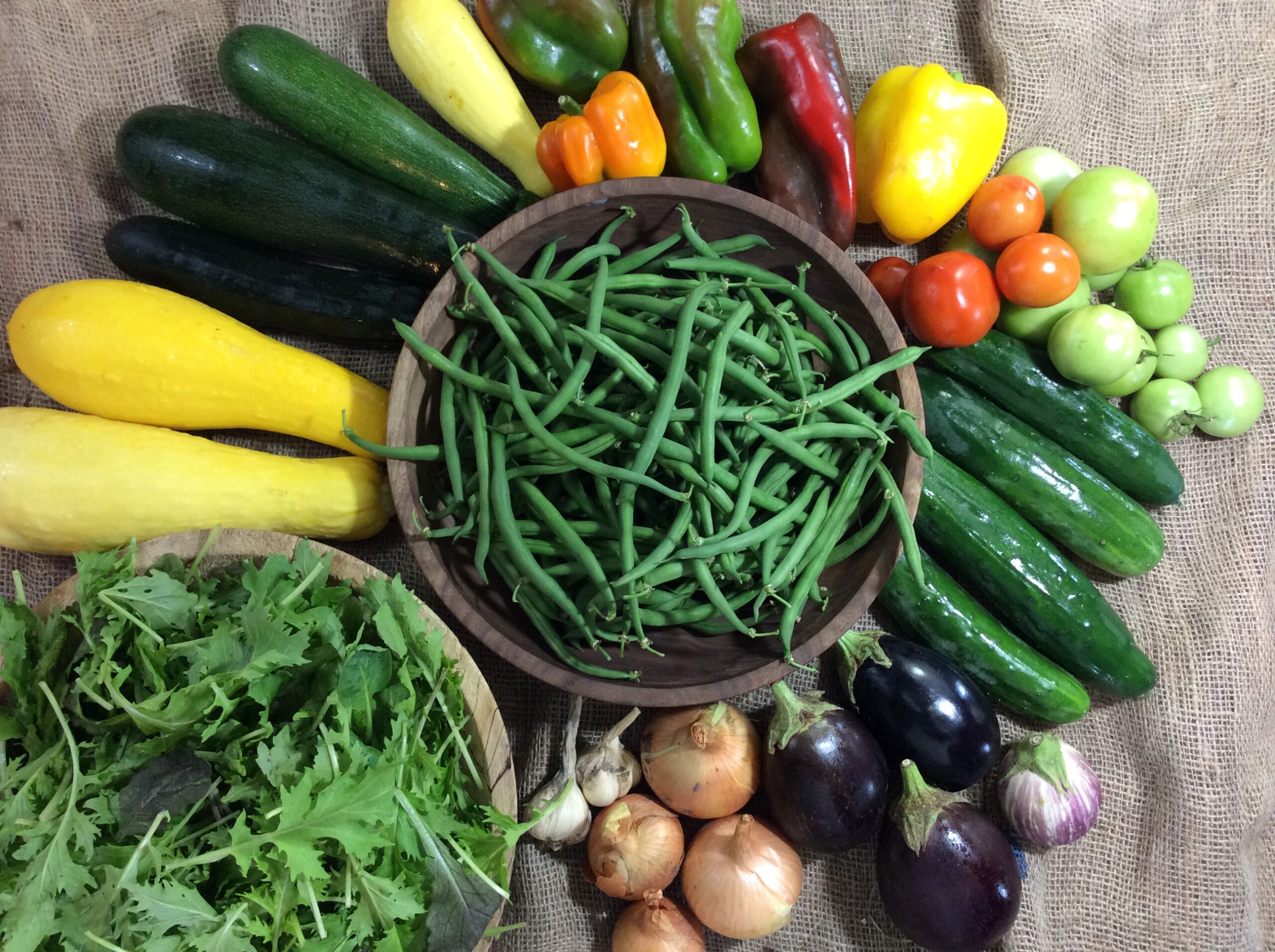
2016 Independence, MO CSA Shares Available Now

Where the Redfearn Grows Natural Farms is proud to announce that planting is underway and 2016 CSA shares are available now at 25% off of 2015 prices so you can save $$. Click Here to sign up today!

Not only that, but we’ve made some improvements that we want to let you know about.  So what’s new with the 2016 CSA shares from Where the Redfearn Grows Natural Farms?

Freedom to Choose! Thanks to our valuable members’ suggestions, each week’s box of naturally grown vegetables will include some freedom to choose the contents. New in 2016, the Redfearn Farm CSA shares will include free-choice items where members select from available items to complete the contents of their box. Each week, there will be three farm-selected items that will be included in everyone’s box, but the member’s free choices will make up the remainder of the box. We believe this will allow members to make the choices they want based upon their desires and eating habits, while at the same time maintaining the “feel” and fun of a CSA.

We will also be sending the next week’s selections out in advance so that members will know exactly what will be included in their box (farm selected items) as well as the free choice items that will be available for them to select.

Kansas City CSA
CSA Members select from vegetables like these to complete their weekly share

New Pricing Structure: New Lower Price! Weekly costs start at 25% off of 2015 prices! This year instead of two share sizes, we have two membership options: Basic and Premium memberships. Basic Members receive 3 farm-selected items and choose two additional items from the free-choice available items while Premium members receive the same 3 farm-selected items and then choose five additional items from the free-choice items. Premium members can also double up on their selections to use up some of their choices in order to get a double-portion of these selected items. We believe this membership strategy allows customers to customize their membership based upon their family’s needs. When we did whole and half CSA shares, half-share members received the same number of items (7-9) but half the volume of each item. Sometimes this made it difficult for them to get enough of each type of vegetable to work with. This also ended up overwhelming the whole share members because they received double the volume of each type, which sometimes was more than a normal cooking portion of each vegetable. With the Basic and Premium memberships, each vegetable type available will be of substantial enough quantity to cook with but not overwhelming. Basic members will have enough to cook with of each type, just not as many types in their box. Premium members will have much more latitude to select all sorts of vegetables to meet their culinary needs.

New Lee’s Summit Farmer’s Market Pickup: Pickup at the Independence farm will still be on Monday afternoons/evenings, but we are changing the Lee’s Summit CSA share pickup to the Downtown Lee’s Summit Farmers Market Saturday mornings from 7:00AM to noon. We appreciate the generosity of the Ward family hosting our Lee’s Summit pick-up the last couple years, but this arrangement will save us delivery time and allow us to offer Lee’s Summit CSA shares at NO ADDITIONAL COST! That’s right, Lee’s Summit CSA members, you’ll save money over last year! When you sign up for your CSA shares, you’ll be able to select your pickup day/location from the dropdown menu.

CSA farm Blue Springs, MO
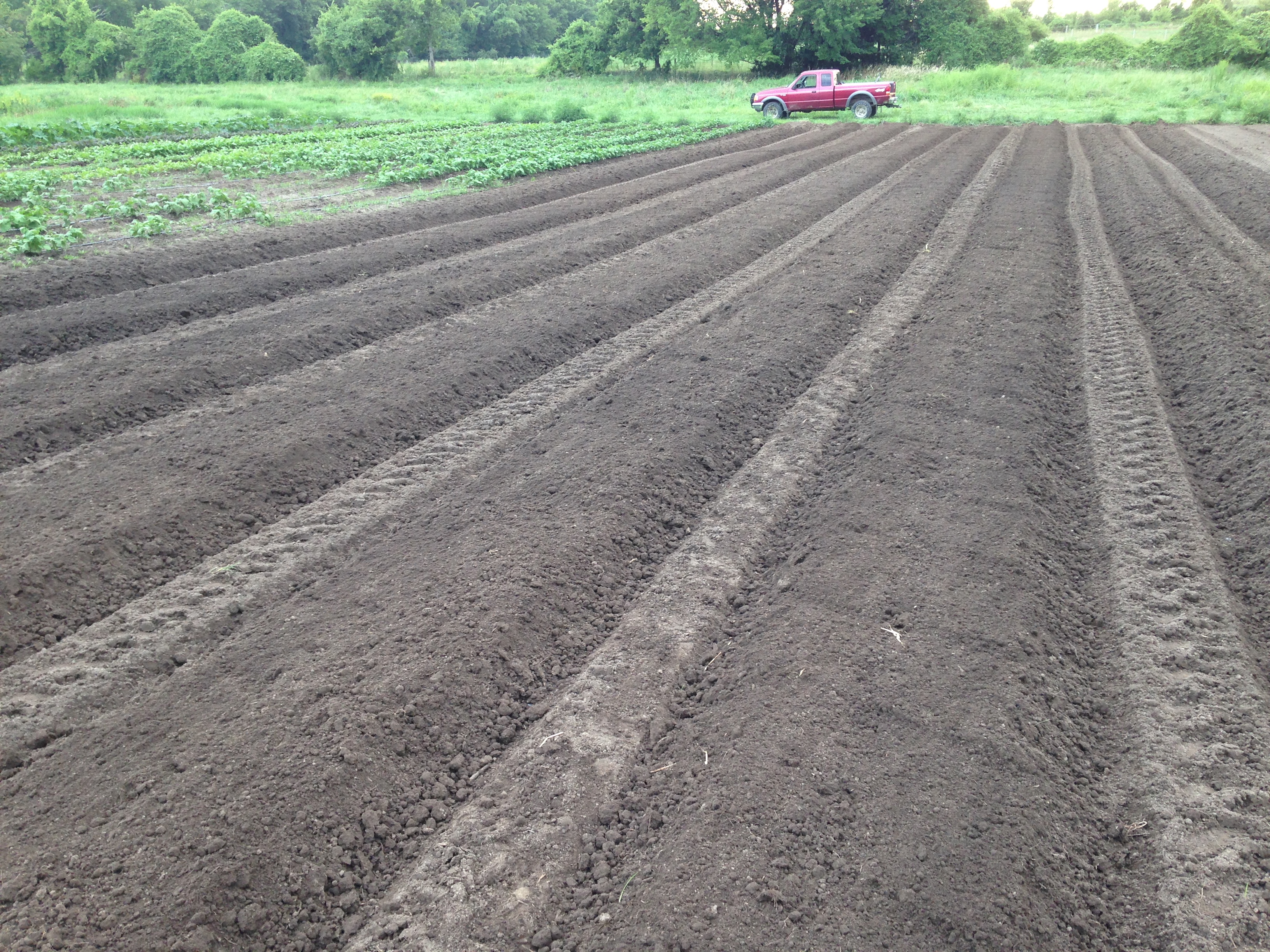
We are planting almost every week to make sure our CSA members have a great selection to choose from throughout the CSA season

Reduced Work Requirement and Reduced Fee for opt-out option: We have reduced the normal CSA share work requirement from 12 hours to 8 hours per season. We also added a lot of additional shift times and shortened many of the shifts to two hours. So now there are options to come to the farm to help pitch in on Monday evenings after work when you pick up your CSA share or even Friday mornings or Saturday mornings for a couple hours. We still need the majority of our help on Monday mornings when we do the bulk of the harvesting and preparation for the CSA but we want to be flexible to meet your schedules. Read more about the work options and check out the calendar here. We also understand that many are not physically able to perform the labor on the farm so we’ve reduced the fee for opting out of the work requirement. And don’t worry, we still offer an extra work discount for those willing to put in additional hours helping us on the farm.

24 Week Season: We are back to a 24 week season instead of the 21 weeks we did last season. Starting earlier means more great veggies for you over the course of the year!

Won’t you consider signing up today? The more early registrations we get, the stronger we can start as we purchase seeds and materials for the 2016 season. Check your options here!

CSA 2015- Week 21 Kansas City, MO

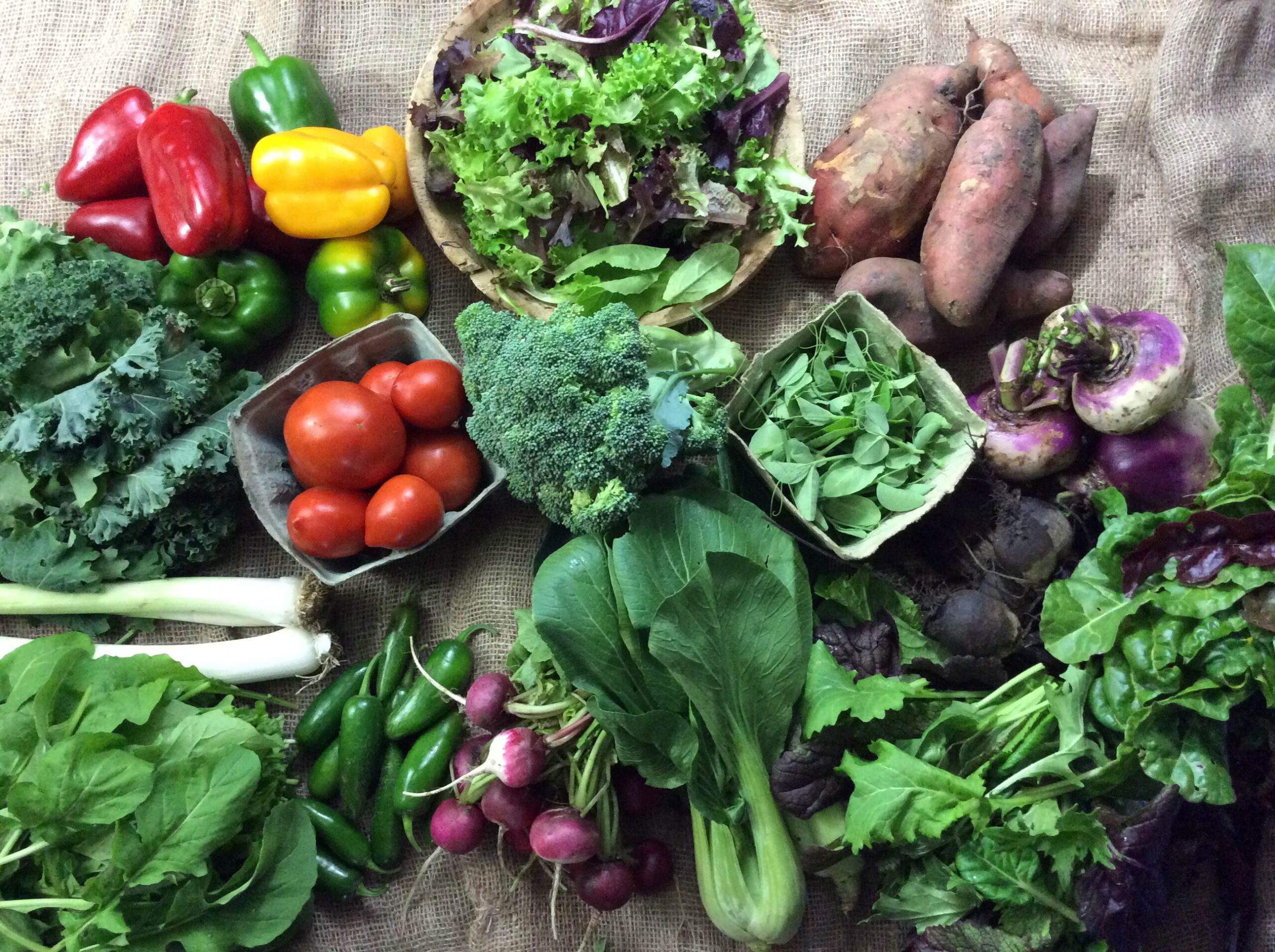
Final Week of the 2015 CSA season!

This week will feature many choices in addition to the Core items everyone receives. The Core items (pictured in the top row of the vegetables) for this week are : Sweet Peppers, Salad Greens and Sweet Potatoes. In addition, the Choice items (pictured in the 2nd and 3rd rows, Kale, Tomatoes, Broccoli, Pea Shoots, Turnips, (3rd row), Leeks, Arugula, Spicy Peppers, Radishes, Bok Choy, Stir-fry greens, Beets and Swiss Chard. Small shares choose 4 of the choice items, large shares 8 (mix or match) of the choice items.

Sweet peppers:  Store in plastic bag, in refrigerator. Meal idea: sauté sliced candy onions and sweet pepper for a tasty Philly Cheese Sandwich or Fajitas. Stuffed peppers are also a favorite main dish at our house; zucchini/ yellow squash can also be stuffed using the same recipe. Sweet peppers can easily be preserved by freezing and they can be frozen raw, without blanching first. Cut peppers into the desired size: diced for adding to winter casseroles, soups or sauces; sliced for fajitas; or halved (or the tops cut off) to be used for stuffed peppers (also, after freezing there is no need to parboil peppers before stuffing) and freeze in freezer bags.

Sweet Potatoes: Store at room temperature. Here is a compilation of Sweet Potato Recipes, to give you some ides. For a savory sweet potato dish try these: Roasted Sweet Potatoes with Pecans and Goat Cheese and Curried Lentils and Sweet Potatoes.

Salad mix: Store in plastic bag in the refrigerator. Wash before eating, and dry well. For salad inspiration, look at this: Mesclun Salad with goat cheese, or Chart of Salad Toppings Combinations.

CHOICES (small shares choose 4 different items, large shares 8 items):

Broccoli: Store in a loose plastic bag in the refrigerator. Peeling the stems with a pairing knife is a great way to make the stems more tender. My go-to method of cooking broccoli is to quickly peel the main stem and then separate the head of broccoli into “trees” and cook (blanch) in salted- boiling water for 1 minute, then drain well, pat dry and roast on a cookie sheet with olive oil salt and pepper (and I often add a little savory BBQ rub seasoning) at 425F, for 10 to 15 minutes until broccoli is cooked to the desired doneness. Here’s a couple of recipe ideas: Broccoli Salad, Roasted Broccoli and Sweet Potatoes Miso Bowl, and Roasted Broccoli. Broccoli can be paired with leeks as in this Potato, Leek and Broccoli Soup.

Tomatoes: Store at room temperature, NOT in a plastic bag.

Spicy peppers: Store in plastic bag, in refrigerator. The spicy peppers are abundant this Chop and add to salsa, or use in this Jalapeno Popper Chicken. If you want to try water-bath canning, try this Jalapeno Jelly (I’ve used a combination of peppers). Anaheim and poblano peppers can be stuffed, as in these Chicken and Cheese Stuffed Anaheim Peppers, or Black beans and Cheese stuffed Poblano Peppers, or Rice and Beef stuffed Peppers. Peppers can be frozen; slice or dice and then place in freezer bags, can be used in fajitas, or anywhere you would use cooked peppers (after thawing the peppers are soft).

Leeks: store in plastic bag in refrigerator. Leeks are a kind of onion and can be used in many recipes (quiches, tarts, soups) interchangeably with onions. Here is a recipe for Leek Potato Soup . Typically the white and light green sections are used, but the dark green leaf portions can be used to season vegetable or chicken stock. Leeks need to be washed well, since dirt can get in between the layers.

Beets: Store in plastic bag in the refrigerator. Both the roots and leaves are great. Here is a compilation of recipes: Huffington Post Beet Recipes (we have enjoyed recipe #4, French Peasant Beets). Beets make a great addition to salad, as in this Roasted Beet Salad with Pea Shoots and Beet salad with Goat Cheese .

Pea Shoots: Store in plastic bag in the refrigerator. Pea shoots are the trimmed top couple inches of a baby pea plant and have a similar flavor to sugar snap peas. Pea shoots make a great topping to salads, in wraps (Spring Rolls) or in this: Roasted Beet Salad with Pea Shoots and Huffingtonpost has a variety of Pea Shoot Recipes.

Arugula: store in plastic bag in refrigerator.  This slightly spicy salad green is wonderful in this Roasted Sweet Potato Arugula Salad! Arugula is also wonderful topped with thinly sliced steak, as in this: Skirt Steak Salad with Arugula and Blue Cheese. Combine arugula with pasta in this Goat Cheese and Arugula over Penne  dish. Arugula can also be sautéed in olive oil with some garlic just until wilted. Arugula is great in this Arugula Soup that our whole family enjoys (2 onions can be substituted for the 6 shallots in the recipe, larger potatoes can be used instead of the salad potatoes). Some other ideas are listed in this: Top 5 Uses for Arugula Besides Salad.

Bok Choy: Store in plastic bag in the refrigerator. Here is a basic bok choy recipe with great instructions: Stir-fried Bok Choy. Cooked (leftover) Bok Choy can be added to fried rice. Bok Choy can also be cooked and used inside egg rolls (I just followed the instructions on the back of the package of egg roll wrappers). Bok choy can be sliced and added to soups during the last few minutes of cooking.If you would rather eat bok choy raw; it can be chopped and dressed with an asian- style dressing: Bok Choy Salad. Bok choy can be added to soup, as in this: Thai Coconut Soup with Bok Choy and mushrooms.

Kale: store in plastic bag in refrigerator. Baby Kale is great in Kale salad or in any kale dish, but it doesn’t need as much time to cook. Try this Zuppa Tuscana soup (I usually add a can of tomatoes to this soup and sometimes kidney beans). Or, try this method of fixing kale:

Kale, Sausage and Beans

8 to 16 oz. smoked sausage (or omit and increase beans, for a vegetarian version), sliced

1 Onion, chopped

3 (or more) cloves garlic, finally chopped

1 can (or about 2 cups, peeled) tomatoes, with liquid

Kale, 7- 10 leaves, removed from stem and chopped (with Baby kale, add a couple l handfuls of kale leaves, chopped)

1 can drained (or about 2 Cups, cooked) white beans, like great northern or cannellini beans

Brown the sausage in a skillet and then remove sausage to a paper towel lined plate and drain off excess oil. Saute the onions in olive oil over medium heat, till soft and golden, 5- 10 minutes. Add chopped garlic and kale, stir to begin to wilt. Then add tomatoes and cover: lower heat and cook until kale is tender, about 5 to 7 minutes, stirring occasionally. Stir in beans and sausage and season to taste (red pepper flakes are a good addition). Can be topped with shredded parmesan cheese.

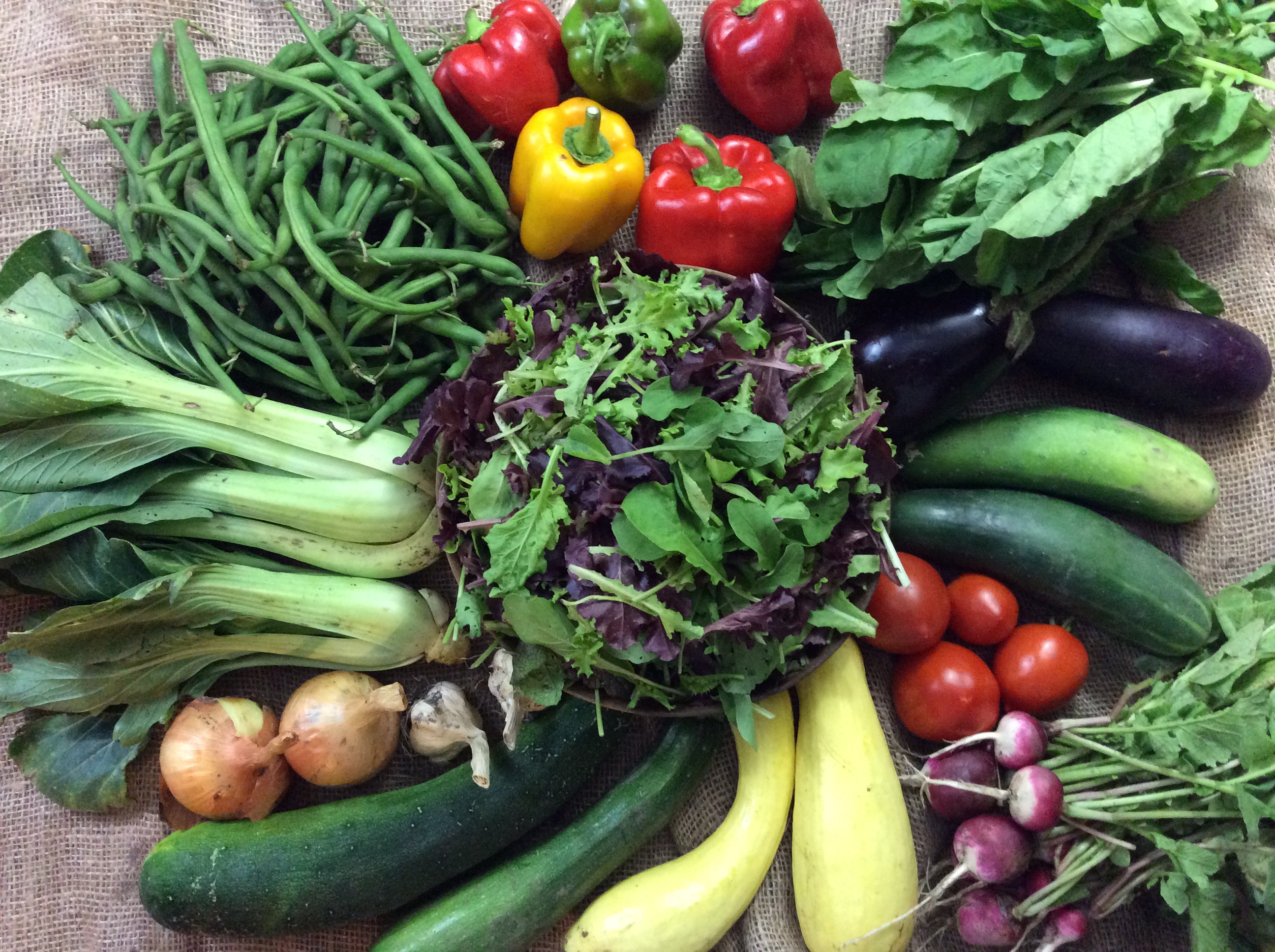
 

CSA 2015- Week 20 Kansas City, MO

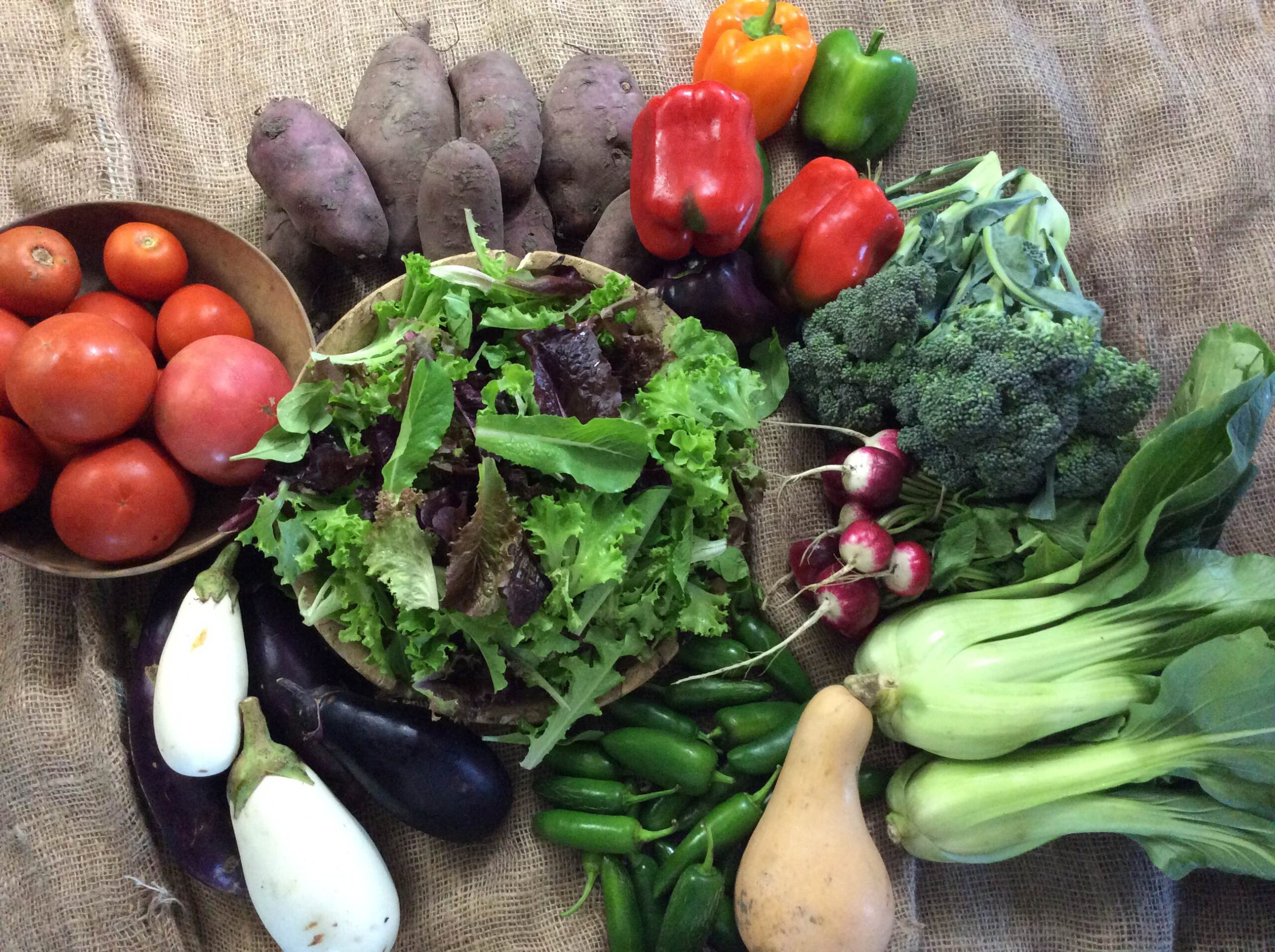
Week 20 of the Redfearn Farm CSA includes: Tomatoes, Sweet Peppers, Broccoli, Sweet Potatoes, Salad Greens and Radishes and a choice of:  Green Beans, Eggplant, Bok choy, Spicy Peppers and Butternut Squash (Small Shares will choose 1 item and Large Shares choose 2 items).

Tomatoes: Store at room temperature, NOT in a plastic bag.

Sweet peppers:  Store in plastic bag, in refrigerator. Meal idea: sauté sliced candy onions and sweet pepper for a tasty Philly Cheese Sandwich or Fajitas. Stuffed peppers are also a favorite main dish at our house; zucchini/ yellow squash can also be stuffed using the same recipe. Sweet peppers can easily be preserved by freezing and they can be frozen raw, without blanching first. Cut peppers into the desired size: diced for adding to winter casseroles, soups or sauces; sliced for fajitas; or halved (or the tops cut off) to be used for stuffed peppers (also, after freezing there is no need to parboil peppers before stuffing) and freeze in freezer bags.

Broccoli: Store in a loose plastic bag in the refrigerator. Peeling the stems with a pairing knife is a great way to make the stems more tender. My go-to method of cooking broccoli is to quickly peel the main stem and then separate the head of broccoli into “trees” and cook (blanch) in salted- boiling water for 1 minute, then drain well, pat dry and roast on a cookie sheet with olive oil salt and pepper (and I often add a little savory BBQ rub seasoning) at 425F, for 10 to 15 minutes until broccoli is cooked to the desired doneness. Here’s a couple of recipe ideas: Broccoli Salad and Roasted Broccoli. Broccoli can be paired with leeks as in this Potato, Leek and Broccoli Soup.

Sweet Potatoes: Store at room temperature. Here is a compilation of Sweet Potato Recipes, to give you some ides. For a savory sweet potato dish try this: Curried Lentils and Sweet Potatoes (Excellent).

Salad mix: Store in plastic bag in the refrigerator. Wash before eating, and dry well. For salad inspiration, look at this: Mesclun Salad with goat cheese, or Chart of Salad Toppings Combinations.

CHOICES (small shares choose 3 different items, large shares 6 items):

Green beans: store in plastic bag in refrigerator. Basic cooking instructions: trim the stem end off and leave beans whole or snap into shorter pieces. Heat a pot of salted water to boiling, add beans, and boil 2 to 4 minutes, until almost tender- crisp. Drain beans very well (if you will be finishing the beans later, cool the bean beans to prevent further cooking, beans can also be frozen at this point). Heat butter and olive oil in a skillet (about 1 T each, can be increased or decreased to taste) over medium heat, add beans and salt and pepper to taste, and stir until tender, toward the end of cooking add 1 or 2 cloves garlic (chopped) if desired. Additions: crumbled bacon, toasted slivered almonds, stirred into the beans after cooking. Also, these Roasted Green Beans are great.

Eggplant: Store in plastic bag in the refrigerator, but use quickly, because eggplant doesn’t store well. The best tip I have for tasty eggplant is to salt and drain the prepared (sliced, cubed, etc) eggplant for at least 20-30 minutes before cooking (this takes away any bitterness and also, helps the eggplant to absorb less oil during cooking). Here’s a page with detailed instructions about eggplant preparation and recipes: Fine Cooking: How to cook Eggplant. Eggplant can be sauteed, grilled or roasted. It is great combined with zucchini and tomatoes (such as in Ratatouille). For eggplant recipes from Italy to China, check out these: Global Eggplant Recipes. A wonderful eggplant recipe (and one that doesn’t require salting and draining the eggplant)  is Smitten Kitchen’s Eggplant Bruschetta (which has a Mediterranean style topping). Moussaka is a greek dish with eggplant. Here is a relatively simple recipe for Moussaka recommended by a CSA member (and also tried and deliciously approved by the Redfearn family).

Spicy peppers: Store in plastic bag, in refrigerator. The spicy peppers are abundant this Chop and add to salsa, or use in this Jalapeno Popper Chicken. If you want to try water-bath canning, try this Jalapeno Jelly (I’ve used a combination of peppers). Anaheim and poblano peppers can be stuffed, as in these Chicken and Cheese Stuffed Anaheim Peppers, or Black beans and Cheese stuffed Poblano Peppers, or Rice and Beef stuffed Peppers. Peppers can be frozen; slice or dice and then place in freezer bags, can be used in fajitas, or anywhere you would use cooked peppers (after thawing the peppers are soft).


CSA 2015- Week 19 Kansas City, MO

Well, we’ve been paying attention to your responses and various conversations with you over the past season and we have some modifications we’d like to try out with you this week.  The main thing we’ve heard from you is that you’d like more control over the items you receive.  Some people love beets, but most don’t.  You don’t want to throw things away, and we don’t want to grow crops that go to waste.  We’ve come up with a concept for next season that will pretty much involve complete freedom to choose whatever items you want (Think farmer’s market booth right here at the farm).  We’ll need your input on what types of crops you prefer so we can get good sense of the planting space required for each item but I think we can work something out.

This week we are going to try somewhat of a hybrid between this season’s model and what we are suggesting for next year.  Everyone will receive 4 core items with Large Shares getting 2x the amount of each item.  Then we will have 10 additional items available for you to choose from.  Small Shares will choose 3 different items and Large Shares choose 6 items.

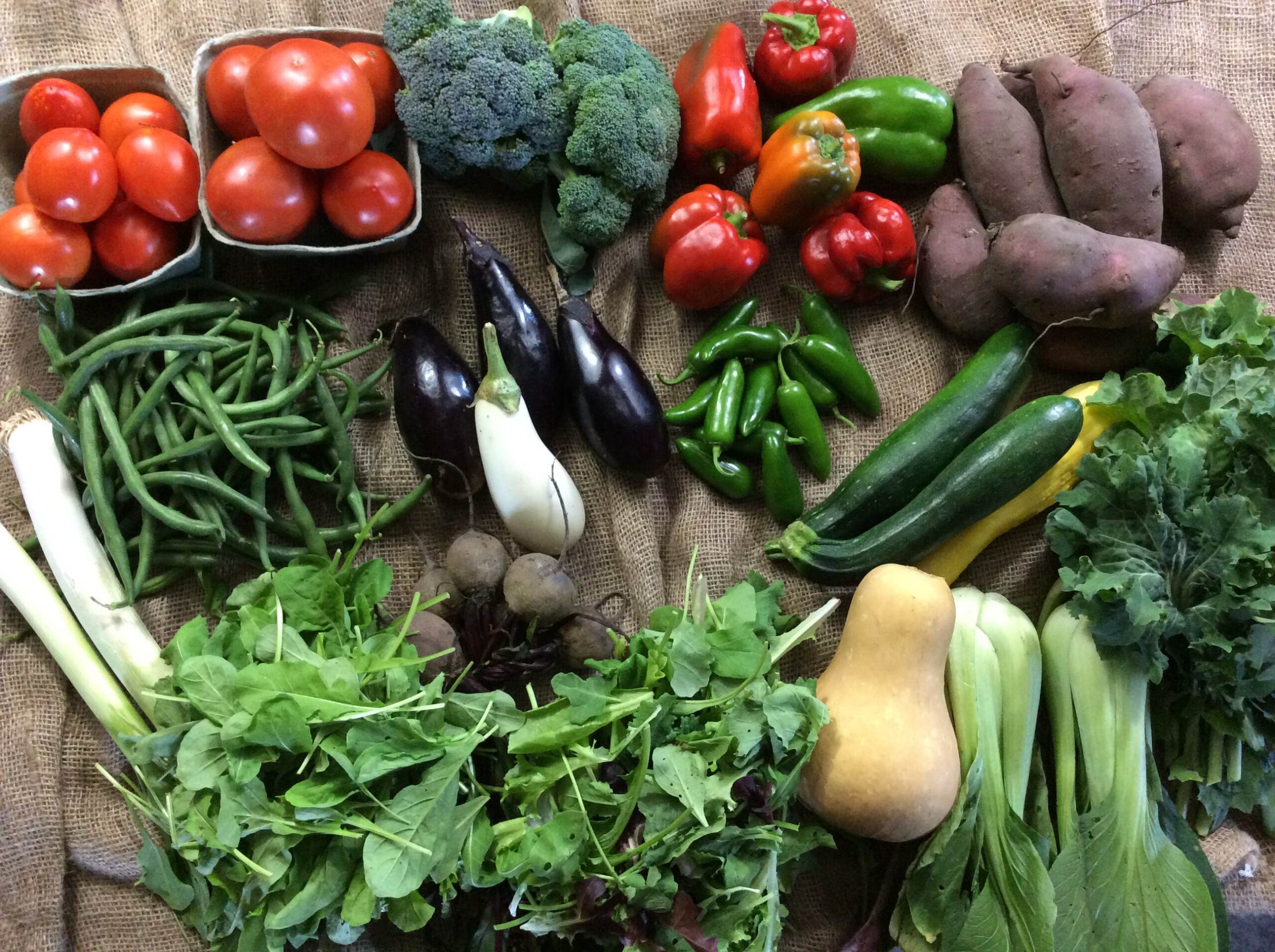
Week 19 of the Redfearn CSA includes (on the photo top to bottom, left to right, showing all of the core items on the top row and the choice item on the second and third rows):

Core items:  Tomatoes, Sweet Peppers, Broccoli, Sweet Potatoes

Choice items (Small Shares will choose 3 different items and Large Shares choose 6 items):  Leeks, Green Beans, Eggplant, Spicy Peppers, Zucchini/ Yellow Squash, Kale (Russian), Arugula, Beets, Salad Mix, Butternut Squash, and Bok Choy

Core Items:

Tomatoes: Store at room temperature, NOT in a plastic bag.

Sweet peppers:  Store in plastic bag, in refrigerator. Meal idea: sauté sliced candy onions and sweet pepper for a tasty Philly Cheese Sandwich or Fajitas. Stuffed peppers are also a favorite main dish at our house; zucchini/ yellow squash can also be stuffed using the same recipe. Sweet peppers can easily be preserved by freezing and they can be frozen raw, without blanching first. Cut peppers into the desired size: diced for adding to winter casseroles, soups or sauces; sliced for fajitas; or halved (or the tops cut off) to be used for stuffed peppers (also, after freezing there is no need to parboil peppers before stuffing) and freeze in freezer bags.

Broccoli: Store in a loose plastic bag in the refrigerator. Peeling the stems with a pairing knife is a great way to make the stems more tender. Here’s a couple of recipe ideas: Broccoli Salad and Roasted Broccoli. Broccoli can be paired with leeks as in this Potato, Leek and Broccoli Soup.

Sweet Potatoes: Store at room temperature. Here is a compilation of Sweet Potato Recipes, to give you some ides. For a savory sweet potato dish try this: Curried Lentils and Sweet Potatoes (Excellent).

CHOICES (small shares choose 3 different items, large shares 6 items):

Green beans: store in plastic bag in refrigerator. Basic cooking instructions: trim the stem end off and leave beans whole or snap into shorter pieces. Heat a pot of salted water to boiling, add beans, and boil 2 to 4 minutes, until almost tender- crisp. Drain beans very well (if you will be finishing the beans later, cool the bean beans to prevent further cooking, beans can also be frozen at this point). Heat butter and olive oil in a skillet (about 1 T each, can be increased or decreased to taste) over medium heat, add beans and salt and pepper to taste, and stir until tender, toward the end of cooking add 1 or 2 cloves garlic (chopped) if desired. Additions: crumbled bacon, toasted slivered almonds, stirred into the beans after cooking. Also, these Roasted Green Beans are great.

Eggplant: Store in plastic bag in the refrigerator, but use quickly, because eggplant doesn’t store well. The best tip I have for tasty eggplant is to salt and drain the prepared (sliced, cubed, etc) eggplant for at least 20-30 minutes before cooking (this takes away any bitterness and also, helps the eggplant to absorb less oil during cooking). Here’s a page with detailed instructions about eggplant preparation and recipes: Fine Cooking: How to cook Eggplant. Eggplant can be sauteed, grilled or roasted. It is great combined with zucchini and tomatoes (such as in Ratatouille). For eggplant recipes from Italy to China, check out these: Global Eggplant Recipes. A wonderful eggplant recipe (and one that doesn’t require salting and draining the eggplant)  is Smitten Kitchen’s Eggplant Bruschetta (which has a Mediterranean style topping). Moussaka is a greek dish with eggplant. Here is a relatively simple recipe for Moussaka recommended by a CSA member (and also tried and deliciously approved by the Redfearn family).

Spicy peppers: Store in plastic bag, in refrigerator. The spicy peppers are abundant this Chop and add to salsa, or use in this Jalapeno Popper Chicken. If you want to try water-bath canning, try this Jalapeno Jelly (I’ve used a combination of peppers). Anaheim and poblano peppers can be stuffed, as in these Chicken and Cheese Stuffed Anaheim Peppers, or Black beans and Cheese stuffed Poblano Peppers, or Rice and Beef stuffed Peppers. Peppers can be frozen; slice or dice and then place in freezer bags, can be used in fajitas, or anywhere you would use cooked peppers (after thawing the peppers are soft).

Salad mix: Store in plastic bag in the refrigerator. Wash before eating, and dry well. Lettuce (torn into bite-sized pieces) and combined with some of the arugula, makes for a salad mix similar to last week’s salad mix. For salad inspiration, look at this:Mesclun Salad with goat cheese, or Chart of Salad Toppings Combinations.

Zucchini/ summer squash: store in plastic bag in refrigerator. Zucchini is great raw or sautéed, grilled, or baked into zucchini bread (my kids favorite way to eat zucchini!). Raw zucchini/ squash makes a fresh, flavorful salad as in this: Summer Squash Salad with Lemon Citronette. Zucchini (sliced and broiled or pan fried) can take the place of pasta in lasagna. If you want more ideas, you can try Baked Zucchini FriesSquash baked eggs or Zucchini Fritters  or Chocolate Zucchini Bread or these main dishes Baked Penne with Roasted Vegetables (this is a great recipe to use a lot of vegetables, including zucchini, yellow squash, eggplant, peppers, onions and garlic),  Cheesy Zucchini Casserole (which we make with shredded sharp cheddar, instead of Velvetta). Here’s a couple other zucchini recipes, recommended by CSA members: Curried Zucchini Soup, Zucchini TotsSauteed Zucchini with Cherry Tomatoes (don’t overcook the zucchini!), and Zucchini Chocolate Rum Cake. To preserve: Zucchini or Yellow squash can be shredded and frozen to use in Zucchini bread recipes.

Leeks: store in plastic bag in refrigerator. Leeks are a kind of onion and can be used in many recipes (quiches, tarts, soups) interchangeably with onions. Here is a recipe for Leek Potato Soup . Typically the white and light green sections are used, but the dark green leaf portions can be used to season vegetable or chicken stock. Leeks need to be washed well, since dirt can get in between the layers.

Beets: Store in plastic bag in the refrigerator. Both the roots and leaves are great. Here is a compilation of recipes: Huffington Post Beet Recipes (we have enjoyed recipe #4, French Peasant Beets). Beets make a great addition to salad, as in this Roasted Beet Salad with Pea Shoots and Beet salad with Goat Cheese .

Arugula: store in plastic bag in refrigerator.  This slightly spicy salad green is wonderful in this Roasted Sweet Potato Arugula Salad! Arugula is also wonderful topped with thinly sliced steak, as in this: Skirt Steak Salad with Arugula and Blue Cheese. Combine arugula with pasta in this Goat Cheese and Arugula over Penne  dish. Arugula can also be sautéed in olive oil with some garlic just until wilted. Arugula is great in this Arugula Soup that our whole family enjoys (2 onions can be substituted for the 6 shallots in the recipe, larger potatoes can be used instead of the salad potatoes). Some other ideas are listed in this: Top 5 Uses for Arugula Besides Salad.

Bok Choy: Store in plastic bag in the refrigerator. Here is a basic bok choy recipe with great instructions: Stir-fried Bok Choy. Cooked (leftover) Bok Choy can be added to fried rice. Bok Choy can also be cooked and used inside egg rolls (I just followed the instructions on the back of the package of egg roll wrappers). Bok choy can be sliced and added to soups during the last few minutes of cooking.If you would rather eat bok choy raw; it can be chopped and dressed with an asian- style dressing: Bok Choy Salad.

Kale: store in plastic bag in refrigerator. Baby Kale is great in Kale salad or in any kale dish, but it doesn’t need as much time to cook. Try this Zuppa Tuscana soup (I usually add a can of tomatoes to this soup and sometimes kidney beans). Or, try this method of fixing kale:

Kale, Sausage and Beans

8 to 16 oz. smoked sausage (or omit and increase beans, for a vegetarian version), sliced

1 Onion, chopped

3 (or more) cloves garlic, finally chopped

1 can (or about 2 cups, peeled) tomatoes, with liquid

Kale, 7- 10 leaves, removed from stem and chopped (with Baby kale, add a couple l handfuls of kale leaves, chopped)

1 can drained (or about 2 Cups, cooked) white beans, like great northern or cannellini beans

Brown the sausage in a skillet and then remove sausage to a paper towel lined plate and drain off excess oil. Saute the onions in olive oil over medium heat, till soft and golden, 5- 10 minutes. Add chopped garlic and kale, stir to begin to wilt. Then add tomatoes and cover: lower heat and cook until kale is tender, about 5 to 7 minutes, stirring occasionally. Stir in beans and sausage and season to taste (red pepper flakes are a good addition). Can be topped with shredded parmesan cheese.
CSA 2015- Week 18 Kansas City, MO

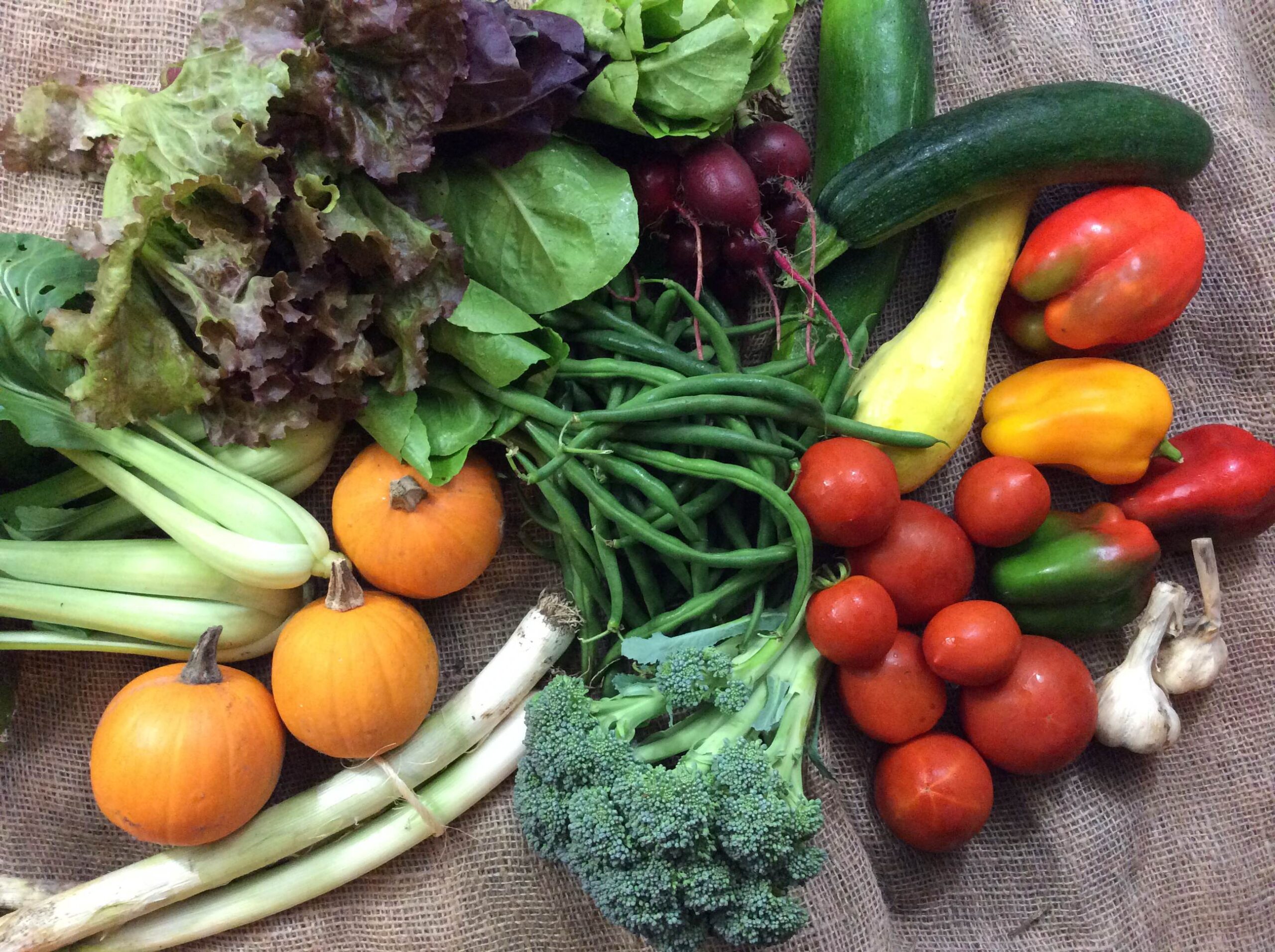
Week 18 of the Redfearn CSA includes (beginning in the top left of the pictured large share):Lettuce Heads, Radishes with greens, Zucchini/ yellow squash (pictured; CHOICE of Zucchini/ Yellow Squash OR Cucumbers), Green Beans, Sweet Peppers, Garlic,  Tomatoes, Broccoli, Leeks (pictured: CHOICE of Leeks, Beets OR Spicy peppers), Mini Decorative Pumpkins and Bok Choy (pictured; choice of Bok Choy, Baby Arugula or Stir-fry greens ).  On the choices; large shares choose 2 bags, small shares choose 1 bag for EACH of the Choices. For example: a small share could choose 1 bag of cucumbers, 1 bunch of beets and 1 bag of baby arugula, in addition to the items already in the crate. Large shares can choose 2 bags or bunches from each of the choices, in addition to the items already in the crate.

Lettuce Heads: Store in plastic bag in the refrigerator. Wash before eating, and dry well. Lettuce (torn into bite-sized pieces) and combined with some of the arugula, makes for a salad mix similar to last week’s salad mix. For salad inspiration, look at this:Mesclun Salad with goat cheese, or Chart of Salad Toppings Combinations.

Radishes: The roots and greens are both very good to eat. Store in plastic bag in refrigerator, the roots separate from the greens. Crisp radishes in ice water. You can just eat them straight with butter and a sprinkle of salt. Sliced radishes add great flavor to salads. There are many variations of radish salads, here are a couple: Radish and Mint Salad , Smitten Kitchen’s chopped salad,  Radish, Cucumber and Orange Salad, and my favorite radish salad is this Rockin’ Radish Salad. Radishes can be sliced and sauteed to reduce their spiciness, or roasted. Here’s a recipe utilizing both the radish roots and tops: Radish and Radish Top Soup

Cucumbers: Store in plastic bag in refrigerator. Pair with tomatoes in an Israeli Salad, Cucumber, Tomato, and Avocado Salad, Panzanella Salad. Cucumbers are the base for the Mediterranean sauce, Tzatziki. Cold Cucumber Soup is also a refreshing way to use cucumbers.

Zucchini/ summer squash: store in plastic bag in refrigerator. Zucchini is great raw or sautéed, grilled, or baked into zucchini bread (my kids favorite way to eat zucchini!). Raw zucchini/ squash makes a fresh, flavorful salad as in this: Summer Squash Salad with Lemon Citronette. Zucchini (sliced and broiled or pan fried) can take the place of pasta in lasagna. If you want more ideas, you can try Baked Zucchini FriesSquash baked eggs or Zucchini Fritters  or Chocolate Zucchini Bread or these main dishes Baked Penne with Roasted Vegetables (this is a great recipe to use a lot of vegetables, including zucchini, yellow squash, eggplant, peppers, onions and garlic),  Cheesy Zucchini Casserole (which we make with shredded sharp cheddar, instead of Velvetta). Here’s a couple other zucchini recipes, recommended by CSA members: Curried Zucchini Soup, Zucchini TotsSauteed Zucchini with Cherry Tomatoes (don’t overcook the zucchini!), and Zucchini Chocolate Rum Cake. To preserve: Zucchini or Yellow squash can be shredded and frozen to use in Zucchini bread recipes.

Green beans: store in plastic bag in refrigerator. Basic cooking instructions: trim the stem end off and leave beans whole or snap into shorter pieces. Heat a pot of salted water to boiling, add beans, and boil 2 to 4 minutes, until almost tender- crisp. Drain beans very well (if you will be finishing the beans later, cool the bean beans to prevent further cooking, beans can also be frozen at this point). Heat butter and olive oil in a skillet (about 1 T each, can be increased or decreased to taste) over medium heat, add beans and salt and pepper to taste, and stir until tender, toward the end of cooking add 1 or 2 cloves garlic (chopped) if desired. Additions: crumbled bacon, toasted slivered almonds, stirred into the beans after cooking. Also, these Roasted Green Beans are great.

Sweet peppers:  Store in plastic bag, in refrigerator. Meal idea: sauté sliced candy onions and sweet pepper for a tasty Philly Cheese Sandwich or Fajitas. Stuffed peppers are also a favorite main dish at our house; zucchini/ yellow squash can also be stuffed using the same recipe. Sweet peppers can easily be preserved by freezing and they can be frozen raw, without blanching first. Cut peppers into the desired size: diced for adding to winter casseroles, soups or sauces; sliced for fajitas; or halved (or the tops cut off) to be used for stuffed peppers (also, after freezing there is no need to parboil peppers before stuffing) and freeze in freezer bags.

Tomatoes: Store at room temperature, NOT in a plastic bag.

Broccoli: Store in a loose plastic bag in the refrigerator. Peeling the stems with a pairing knife is a great way to make the stems more tender. Here’s a couple of recipe ideas: Broccoli Salad and Roasted Broccoli. Broccoli can be paired with leeks as in this Potato, Leek and Broccoli Soup.

CHOICE of Leeks, Beets, or Spicy Peppers:

Leeks: store in plastic bag in refrigerator. Leeks are a kind of onion and can be used in many recipes (quiches, tarts, soups) interchangeably with onions. Here is a recipe for Leek Potato Soup . Typically the white and light green sections are used, but the dark green leaf portions can be used to season vegetable or chicken stock. Leeks need to be washed well, since dirt can get in between the layers.

Beets: Store in plastic bag in the refrigerator. Both the roots and leaves are great. Here is a compilation of recipes: Huffington Post Beet Recipes (we have enjoyed recipe #4, French Peasant Beets). Beets make a great addition to salad, as in this Roasted Beet Salad with Pea Shoots and Beet salad with Goat Cheese .

Garlic: store at cool room temperature.

CHOICE of Arugula, Stir-fry greens, or Bok Choy (large shares choose 2 bags, small shares 1 bag):

Arugula: store in plastic bag in refrigerator.  This slightly spicy salad green is wonderful in this Roasted Sweet Potato Arugula Salad! Arugula is also wonderful topped with thinly sliced steak, as in this: Skirt Steak Salad with Arugula and Blue Cheese. Combine arugula with pasta in this Goat Cheese and Arugula over Penne  dish. Arugula can also be sautéed in olive oil with some garlic just until wilted. Arugula is great in this Arugula Soup that our whole family enjoys (2 onions can be substituted for the 6 shallots in the recipe, larger potatoes can be used instead of the salad potatoes). Some other ideas are listed in this: Top 5 Uses for Arugula Besides Salad.

Bok Choy: Store in plastic bag in the refrigerator. Here is a basic bok choy recipe with great instructions: Stir-fried Bok Choy. Cooked (leftover) Bok Choy can be added to fried rice. Bok Choy can also be cooked and used inside egg rolls (I just followed the instructions on the back of the package of egg roll wrappers). Bok choy can be sliced and added to soups during the last few minutes of cooking.If you would rather eat bok choy raw; it can be chopped and dressed with an asian- style dressing: Bok Choy Salad

Stir-fry greens mix: Store in plastic bag in refrigerator, use within a couple days. This greens mix contains a variety of mustards, bok choy, and cabbage family greens. Basic cooking instructions: wash and spin dry, slice or chop greens, heat oil (olive or vegetable) over medium-high heat. Gradually add chopped greens, stirring to just wilt.  Season with salt and pepper.  Variations: add chopped garlic when you add the greens. Top the cooked greens with a fried egg(s). Here’s a detailed sir-fried greens recipe. This recipe for Greens cooked with tomatoes and topped with eggs has helped many people enjoy greens. It is a highly adaptable recipe, and can be used with nearly any type of leafy cooking green, from spicy mustards to mellow chard. Also, some recipes that call for mustard greens can be substituted for this stir fry mix, such as: Indian Saag or Curried Mustard Greens with Kidney Beans.


CSA 2015- Week 17 Kansas City, MO

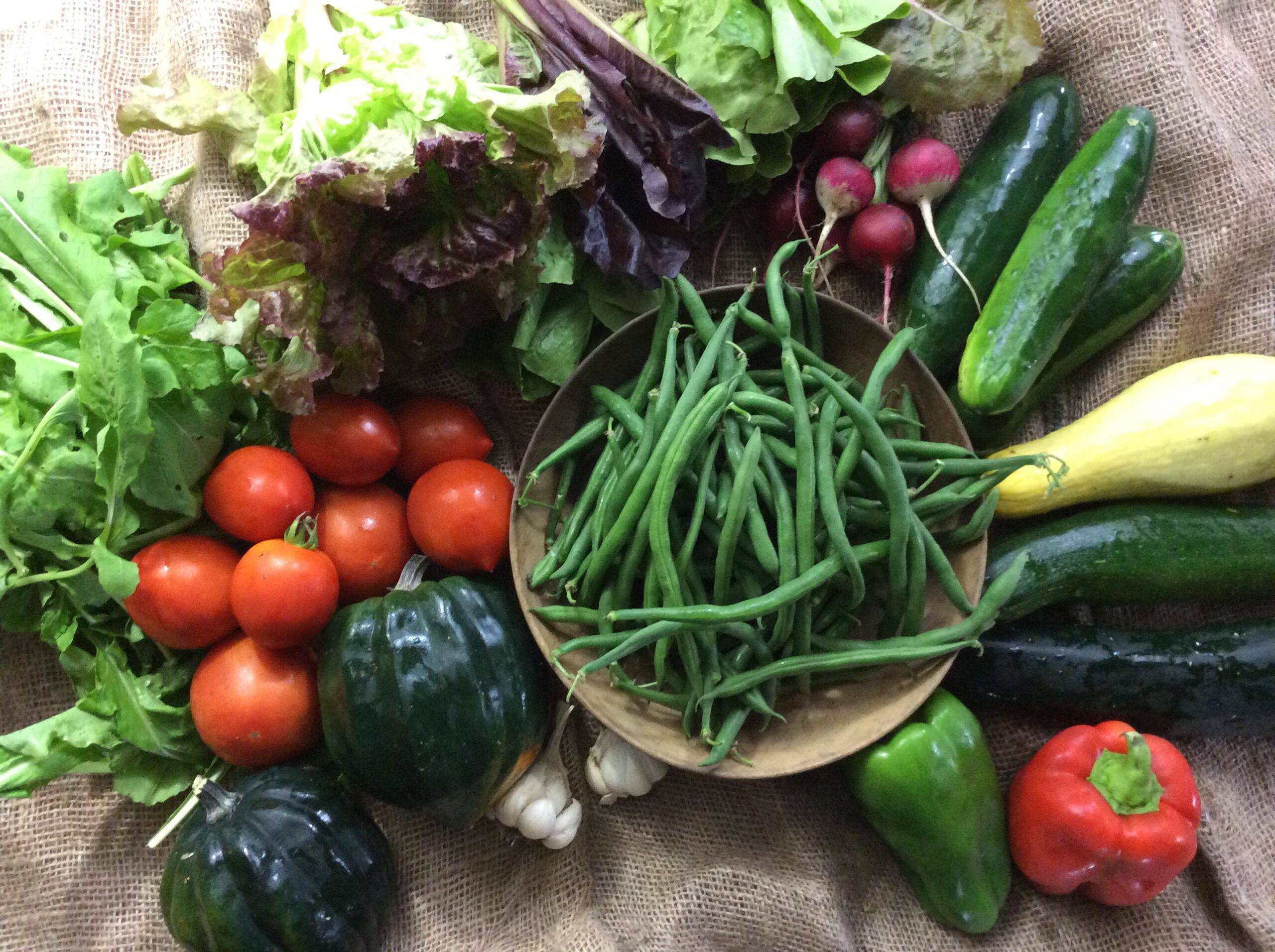
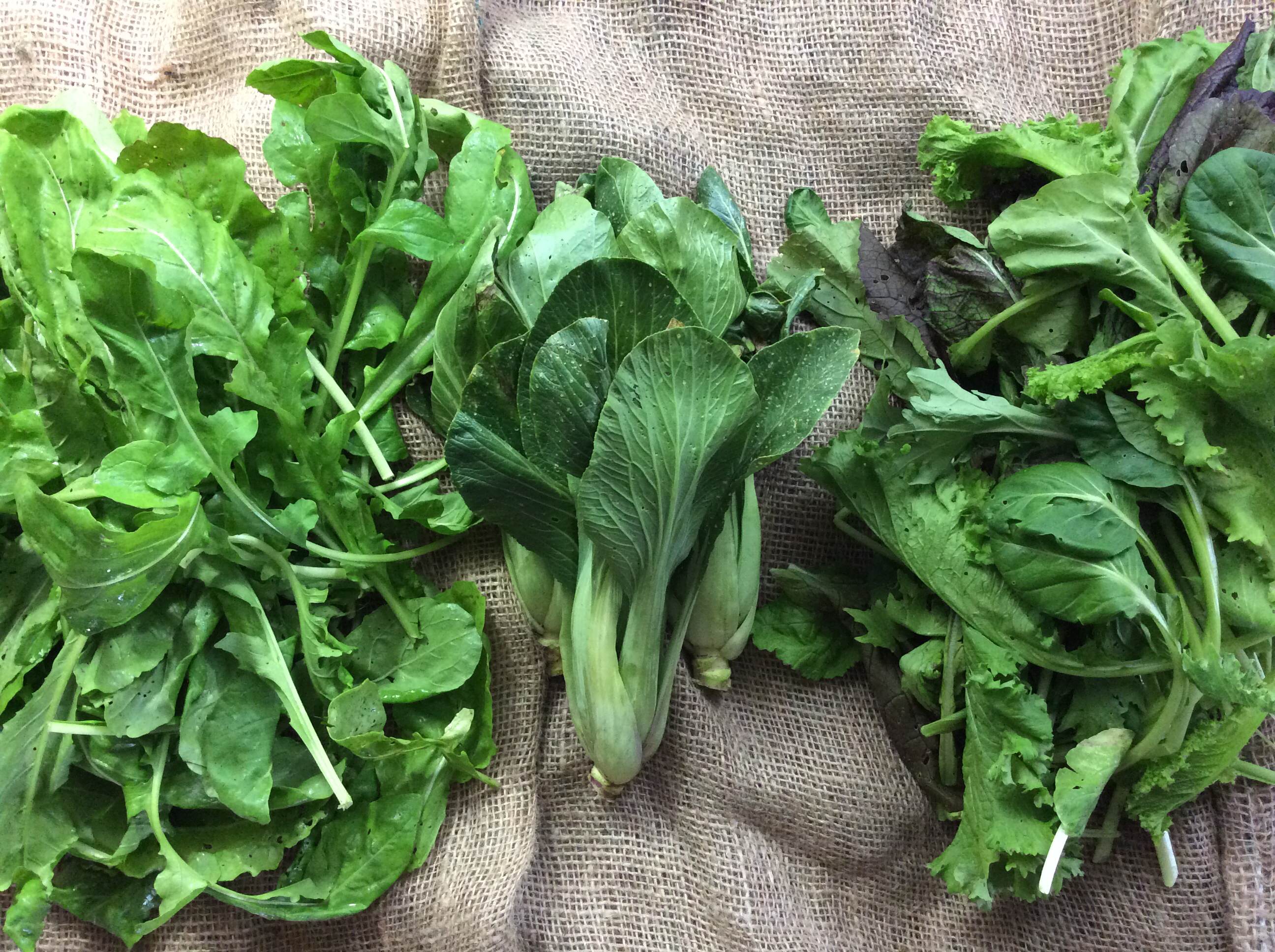
Week 17 of the Redfearn CSA includes (beginning in the top left of the pictured large share):Lettuce Heads, Radishes with greens, Cucumbers, Zucchini/ yellow squash, Green Beans, Sweet Peppers, Garlic,  Acorn Squash, Tomatoes, and Arugula (pictured; choice of Arugula or Bok Choy or Stir-fry greens ).  On the choice of arugula, bok choy or stir-fry green; large shares choose 2 bags, small shares choose 1 bag. See the picture below.

wk 17 choice


Lettuce Heads: Store in plastic bag in the refrigerator. Wash before eating, and dry well. Lettuce (torn into bite-sized pieces) and combined with some of the arugula, makes for a salad mix similar to last week’s salad mix. For salad inspiration, look at this:Mesclun Salad with goat cheese, or Chart of Salad Toppings Combinations.

Radishes: The roots and greens are both very good to eat. Store in plastic bag in refrigerator, the roots separate from the greens. Crisp radishes in ice water. You can just eat them straight with butter and a sprinkle of salt. Sliced radishes add great flavor to salads. There are many variations of radish salads, here are a couple: Radish and Mint Salad , Smitten Kitchen’s chopped salad,  Radish, Cucumber and Orange Salad, and my favorite radish salad is this Rockin’ Radish Salad. Radishes can be sliced and sauteed to reduce their spiciness, or roasted. Here’s a recipe utilizing both the radish roots and tops: Radish and Radish Top Soup

Cucumbers: Store in plastic bag in refrigerator. Pair with tomatoes in an Israeli Salad, Cucumber, Tomato, and Avocado Salad, Panzanella Salad. Cucumbers are the base for the Mediterranean sauce, Tzatziki. Cold Cucumber Soup is also a refreshing way to use cucumbers.

Zucchini/ summer squash: store in plastic bag in refrigerator. Zucchini is great raw or sautéed, grilled, or baked into zucchini bread (my kids favorite way to eat zucchini!). Raw zucchini/ squash makes a fresh, flavorful salad as in this: Summer Squash Salad with Lemon Citronette. Zucchini (sliced and broiled or pan fried) can take the place of pasta in lasagna. If you want more ideas, you can try Baked Zucchini FriesSquash baked eggs or Zucchini Fritters  or Chocolate Zucchini Bread or these main dishes Baked Penne with Roasted Vegetables (this is a great recipe to use a lot of vegetables, including zucchini, yellow squash, eggplant, peppers, onions and garlic),  Cheesy Zucchini Casserole (which we make with shredded sharp cheddar, instead of Velvetta). Here’s a couple other zucchini recipes, recommended by CSA members: Curried Zucchini Soup, Zucchini TotsSauteed Zucchini with Cherry Tomatoes (don’t overcook the zucchini!), and Zucchini Chocolate Rum Cake. To preserve: Zucchini or Yellow squash can be shredded and frozen to use in Zucchini bread recipes.

Green beans: store in plastic bag in refrigerator. Basic cooking instructions: trim the stem end off and leave beans whole or snap into shorter pieces. Heat a pot of salted water to boiling, add beans, and boil 2 to 4 minutes, until almost tender- crisp. Drain beans very well (if you will be finishing the beans later, cool the bean beans to prevent further cooking, beans can also be frozen at this point). Heat butter and olive oil in a skillet (about 1 T each, can be increased or decreased to taste) over medium heat, add beans and salt and pepper to taste, and stir until tender, toward the end of cooking add 1 or 2 cloves garlic (chopped) if desired. Additions: crumbled bacon, toasted slivered almonds, stirred into the beans after cooking. Also, these Roasted Green Beans are great.

Sweet peppers:  Store in plastic bag, in refrigerator. Meal idea: sauté sliced candy onions and sweet pepper for a tasty Philly Cheese Sandwich or Fajitas. Stuffed peppers are also a favorite main dish at our house; zucchini/ yellow squash can also be stuffed using the same recipe. Sweet peppers can easily be preserved by freezing and they can be frozen raw, without blanching first. Cut peppers into the desired size: diced for adding to winter casseroles, soups or sauces; sliced for fajitas; or halved (or the tops cut off) to be used for stuffed peppers (also, after freezing there is no need to parboil peppers before stuffing) and freeze in freezer bags.

Acorn Squash: Store at cool room temperature.  Acorn Squash can be stuffed with a savory filling as in this: Roasted Acorn Squash with mushrooms, peppers and goat cheese. Sweet versions of Acorn Squash are also abundant, like this: Apple and Cranberry Stuffed Acorn Squash.

Tomatoes: Store at room temperature, NOT in a plastic bag.

Garlic: store at cool room temperature.

CHOICE of Arugula, Stir-fry greens, or Bok Choy (large shares choose 2 bags, small shares 1 bag):

Arugula: store in plastic bag in refrigerator.  This slightly spicy salad green is wonderful in this Roasted Sweet Potato Arugula Salad! Arugula is also wonderful topped with thinly sliced steak, as in this: Skirt Steak Salad with Arugula and Blue Cheese. Combine arugula with pasta in this Goat Cheese and Arugula over Penne  dish. Arugula can also be sautéed in olive oil with some garlic just until wilted. Arugula is great in this Arugula Soup that our whole family enjoys (2 onions can be substituted for the 6 shallots in the recipe, larger potatoes can be used instead of the salad potatoes). Some other ideas are listed in this: Top 5 Uses for Arugula Besides Salad.

Bok Choy: Store in plastic bag in the refrigerator. Here is a basic bok choy recipe with great instructions: Stir-fried Bok Choy. Cooked (leftover) Bok Choy can be added to fried rice. Bok Choy can also be cooked and used inside egg rolls (I just followed the instructions on the back of the package of egg roll wrappers). Bok choy can be sliced and added to soups during the last few minutes of cooking.If you would rather eat bok choy raw; it can be chopped and dressed with an asian- style dressing: Bok Choy Salad

Stir-fry greens mix: Store in plastic bag in refrigerator, use within a couple days. This greens mix contains a variety of mustards, bok choy, and cabbage family greens. Basic cooking instructions: wash and spin dry, slice or chop greens, heat oil (olive or vegetable) over medium-high heat. Gradually add chopped greens, stirring to just wilt.  Season with salt and pepper.  Variations: add chopped garlic when you add the greens. Top the cooked greens with a fried egg(s). Here’s a detailed sir-fried greens recipe. This recipe for Greens cooked with tomatoes and topped with eggs has helped many people enjoy greens. It is a highly adaptable recipe, and can be used with nearly any type of leafy cooking green, from spicy mustards to mellow chard. Also, some recipes that call for mustard greens can be substituted for this stir fry mix, such as: Indian Saag or Curried Mustard Greens with Kidney Beans.


CSA 2015- Week 16 Kansas City, MO

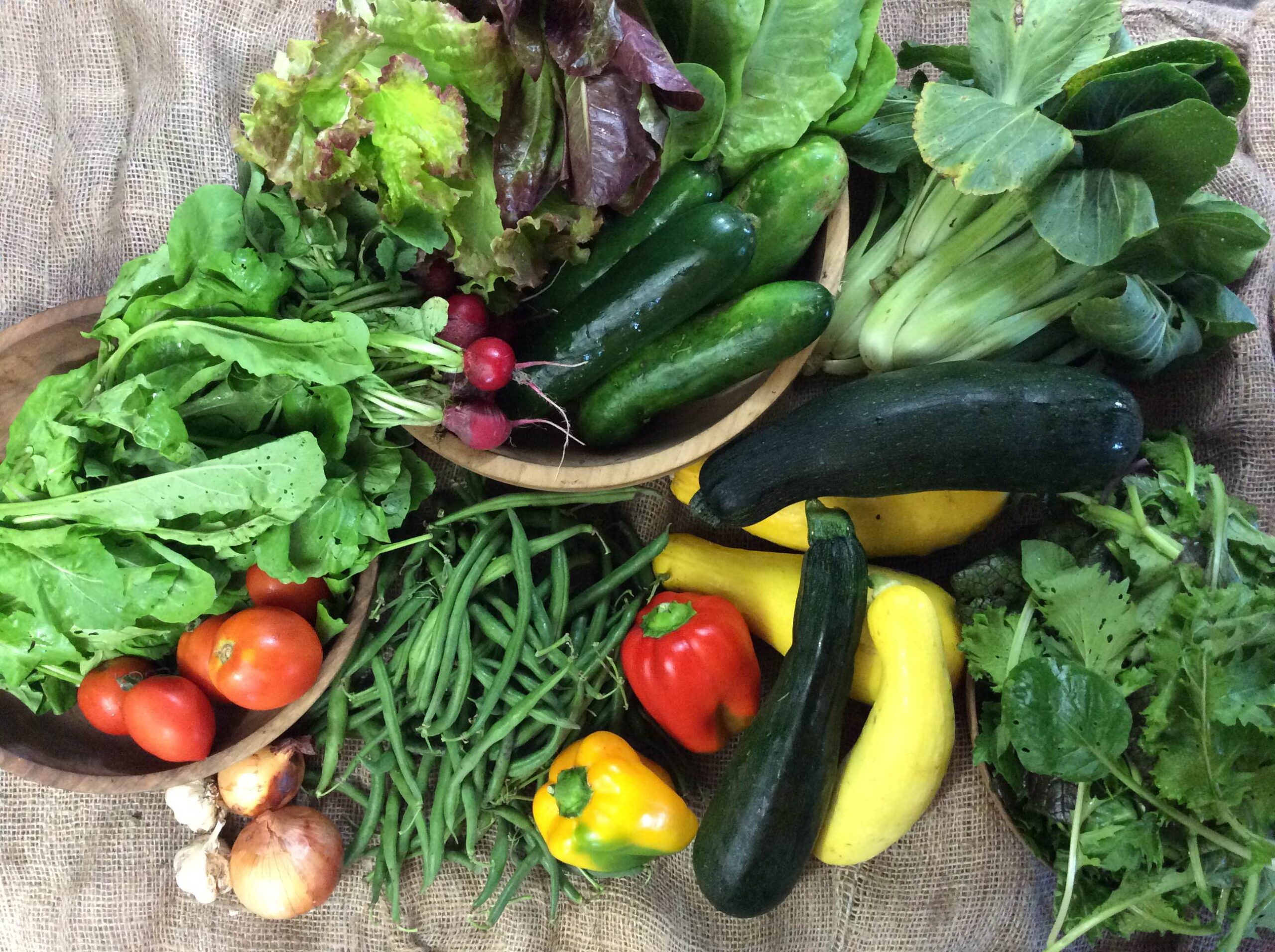
Week 16 of the Redfearn CSA includes (beginning in the top left of the pictured large share):Lettuce Heads, Radishes with greens, Cucumbers (all in the top bowl), Bok Choy, Zucchini/ yellow squash, Stir-fry greens (in the bowl at the bottom right), Sweet Peppers, Green Beans, Candy Onions, Garlic,  Arugula and Tomatoes.

Lettuce Heads: Store in plastic bag in the refrigerator. Wash before eating, and dry well. Lettuce (torn into bite-sized pieces) and combined with some of the arugula, makes for a salad mix similar to last week’s salad mix. For salad inspiration, look at this:Mesclun Salad with goat cheese, or Chart of Salad Toppings Combinations.

Cucumbers: Store in plastic bag in refrigerator. Pair with tomatoes in an Israeli Salad, Cucumber, Tomato, and Avocado Salad, Panzanella Salad. Cucumbers are the base for the Mediterranean sauce, Tzatziki. Cold Cucumber Soup is also a refreshing way to use cucumbers.

Radishes: The roots and greens are both very good to eat. Store in plastic bag in refrigerator, the roots separate from the greens. Crisp radishes in ice water. You can just eat them straight with butter and a sprinkle of salt. Sliced radishes add great flavor to salads. There are many variations of radish salads, here are a couple: Radish and Mint Salad , Smitten Kitchen’s chopped salad,  Radish, Cucumber and Orange Salad, and my favorite radish salad is this Rockin’ Radish Salad. Radishes can be sliced and sauteed to reduce their spiciness, or roasted. Here’s a recipe utilizing both the radish roots and tops: Radish and Radish Top Soup

Bok Choy: Store in plastic bag in the refrigerator. Here is a basic bok choy recipe with great instructions: Stir-fried Bok Choy. Cooked (leftover) Bok Choy can be added to fried rice. Bok Choy can also be cooked and used inside egg rolls (I just followed the instructions on the back of the package of egg roll wrappers). Bok choy can be sliced and added to soups during the last few minutes of cooking.If you would rather eat bok choy raw; it can be chopped and dressed with an asian- style dressing: Bok Choy Salad

Green beans: store in plastic bag in refrigerator. Basic cooking instructions: trim the stem end off and leave beans whole or snap into shorter pieces. Heat a pot of salted water to boiling, add beans, and boil 2 to 4 minutes, until almost tender- crisp. Drain beans very well (if you will be finishing the beans later, cool the bean beans to prevent further cooking, beans can also be frozen at this point). Heat butter and olive oil in a skillet (about 1 T each, can be increased or decreased to taste) over medium heat, add beans and salt and pepper to taste, and stir until tender, toward the end of cooking add 1 or 2 cloves garlic (chopped) if desired. Additions: crumbled bacon, toasted slivered almonds, stirred into the beans after cooking. Also, these Roasted Green Beans are great.

Sweet peppers:  Store in plastic bag, in refrigerator. Meal idea: sauté sliced candy onions and sweet pepper for a tasty Philly Cheese Sandwich or Fajitas. Stuffed peppers are also a favorite main dish at our house; zucchini/ yellow squash can also be stuffed using the same recipe. Sweet peppers can easily be preserved by freezing and they can be frozen raw, without blanching first. Cut peppers into the desired size: diced for adding to winter casseroles, soups or sauces; sliced for fajitas; or halved (or the tops cut off) to be used for stuffed peppers (also, after freezing there is no need to parboil peppers before stuffing) and freeze in freezer bags.

Arugula: store in plastic bag in refrigerator.  This slightly spicy salad green is wonderful in this Roasted Sweet Potato Arugula Salad! Arugula is also wonderful topped with thinly sliced steak, as in this: Skirt Steak Salad with Arugula and Blue Cheese. Combine arugula with pasta in this Goat Cheese and Arugula over Penne  dish. Arugula can also be sautéed in olive oil with some garlic just until wilted. Arugula is great in this Arugula Soup that our whole family enjoys (2 onions can be substituted for the 6 shallots in the recipe, larger potatoes can be used instead of the salad potatoes). Some other ideas are listed in this: Top 5 Uses for Arugula Besides Salad.

Stir-fry greens mix: Store in plastic bag in refrigerator, use within a couple days. This greens mix contains a variety of mustards, bok choy, and cabbage family greens. Basic cooking instructions: wash and spin dry, slice or chop greens, heat oil (olive or vegetable) over medium-high heat. Gradually add chopped greens, stirring to just wilt.  Season with salt and pepper.  Variations: add chopped garlic when you add the greens. Top the cooked greens with a fried egg(s). Here’s a detailed sir-fried greens recipe. This recipe for Greens cooked with tomatoes and topped with eggs has helped many people enjoy greens. It is a highly adaptable recipe, and can be used with nearly any type of leafy cooking green, from spicy mustards to mellow chard. Also, some recipes that call for mustard greens can be substituted for this stir fry mix, such as: Indian Saag or Curried Mustard Greens with Kidney Beans.


Tomatoes: Store at room temperature, NOT in a plastic bag.

Zucchini/ summer squash: store in plastic bag in refrigerator. Zucchini is great raw or sautéed, grilled, or baked into zucchini bread (my kids favorite way to eat zucchini!). Raw zucchini/ squash makes a fresh, flavorful salad as in this: Summer Squash Salad with Lemon Citronette. Zucchini (sliced and broiled or pan fried) can take the place of pasta in lasagna. If you want more ideas, you can try Baked Zucchini FriesSquash baked eggs or Zucchini Fritters  or Chocolate Zucchini Bread or these main dishes Baked Penne with Roasted Vegetables (this is a great recipe to use a lot of vegetables, including zucchini, yellow squash, eggplant, peppers, onions and garlic),  Cheesy Zucchini Casserole (which we make with shredded sharp cheddar, instead of Velvetta). Here’s a couple other zucchini recipes, recommended by CSA members: Curried Zucchini Soup, Zucchini TotsSauteed Zucchini with Cherry Tomatoes (don’t overcook the zucchini!), and Zucchini Chocolate Rum Cake. To preserve: Zucchini or Yellow squash can be shredded and frozen to use in Zucchini bread recipes.

Onions: store at cool room temperature.

Garlic: store at cool room temperature.


CSA 2015- Week 15 Kansas City, MO

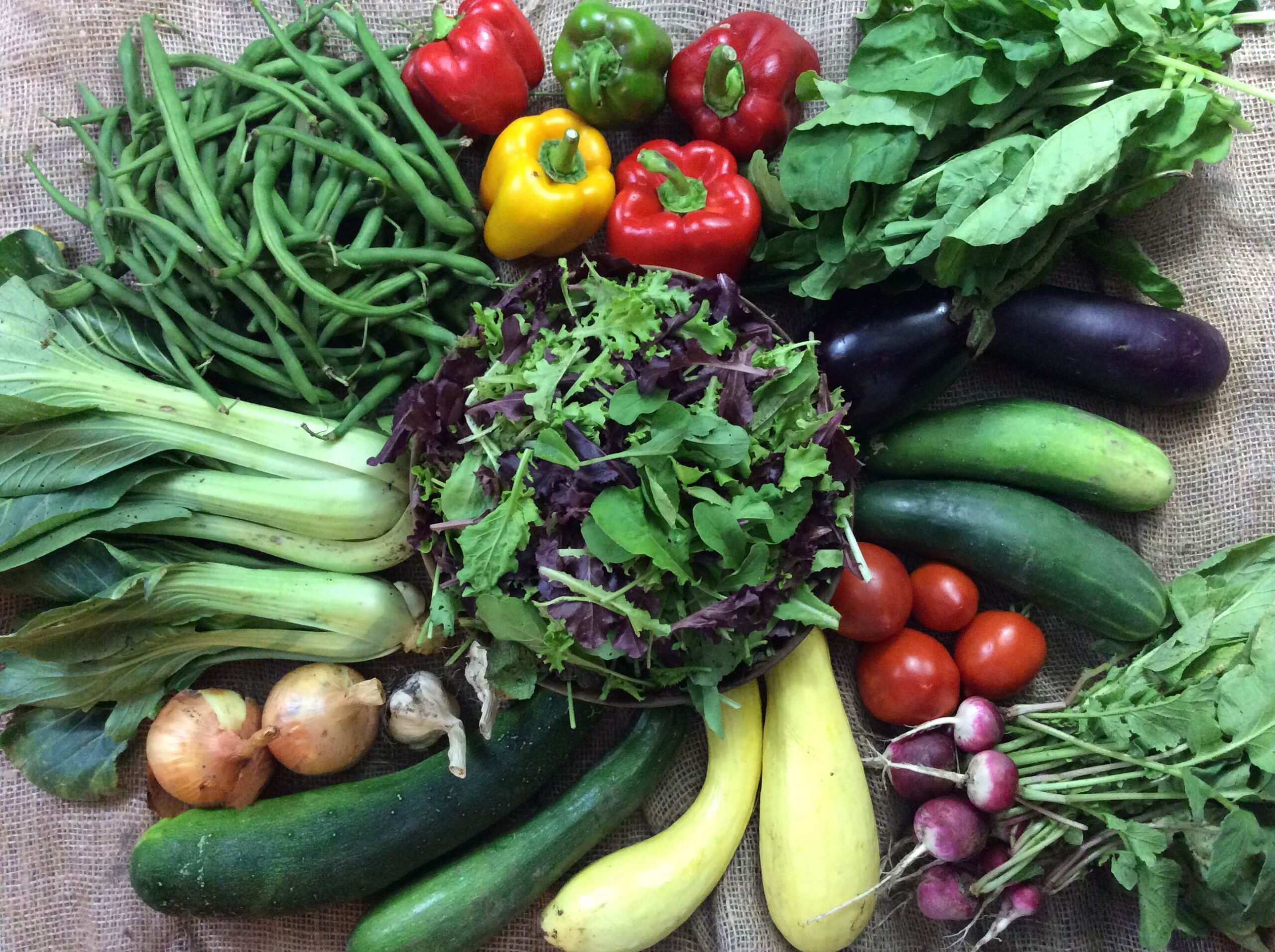
Week 15 of the Redfearn CSA includes (beginning in the top left of the pictured large share):Green Beans, Sweet Peppers, Arugula, Eggplant, Cucumbers, Tomatoes, Radishes with greens, Zucchini/ yellow squash, Salad greens mix (middle), Candy Onions, Garlic bulbs, and Bok Choy.

Green beans: store in plastic bag in refrigerator. Basic cooking instructions: trim the stem end off and leave beans whole or snap into shorter pieces. Heat a pot of salted water to boiling, add beans, and boil 2 to 3 minutes, until almost tender- crisp. Drain beans very well (if you will be finishing the beans later, cool the bean beans to prevent further cooking). Heat butter and olive oil in a skillet (about 1 T each, can be increased or decreased to taste) over medium heat, add beans and salt and pepper to taste, and stir until tender, toward the end of cooking add 1 or 2 cloves garlic (chopped) if desired. Additions: crumbled bacon, toasted slivered almonds, stirred into the beans after cooking. Also, these Roasted Green Beans are great.

Sweet peppers:  Store in plastic bag, in refrigerator. Meal idea: sauté sliced candy onions and sweet pepper for a tasty Philly Cheese Sandwich or Fajitas. Stuffed peppers are also a favorite main dish at our house; zucchini/ yellow squash can also be stuffed using the same recipe. Sweet peppers can easily be preserved by freezing and they can be frozen raw, without blanching first. Cut peppers into the desired size: diced for adding to winter casseroles, soups or sauces; sliced for fajitas; or halved (or the tops cut off) to be used for stuffed peppers (also, after freezing there is no need to parboil peppers before stuffing) and freeze in freezer bags.

Arugula: store in plastic bag in refrigerator. This arugula is a little larger than salad arugula, it can be eaten raw after trimming the stem and slicing/ tearing into smaller pieces.  This slightly spicy salad green is wonderful in this Roasted Sweet Potato Arugula Salad! Combine arugula with pasta in this Goat Cheese and Arugula over Penne  dish. Arugula can also be sautéed in olive oil with some garlic just until wilted. Arugula is great in this Arugula Soup that our whole family enjoys (2 onions can be substituted for the 6 shallots in the recipe, larger potatoes can be used instead of the salad potatoes). Some other ideas are listed in this: Top 5 Uses for Arugula Besides Salad.

Eggplant: Store in plastic bag in the refrigerator, but use quickly, because eggplant doesn’t store well. The best tip I have for tasty eggplant is to salt and drain the prepared (sliced, cubed, etc) eggplant for at least 20-30 minutes before cooking (this takes away any bitterness and also, helps the eggplant to absorb less oil during cooking). Here’s a page with detailed instructions about eggplant preparation and recipes: Fine Cooking: How to cook Eggplant. Eggplant can be sauteed, grilled or roasted. It is great combined with zucchini and tomatoes (such as in Ratatouille). For eggplant recipes from Italy to China, check out these: Global Eggplant Recipes. A wonderful eggplant recipe (and one that doesn’t require salting and draining the eggplant)  is Smitten Kitchen’s Eggplant Bruschetta (which has a Mediterranean style topping). Moussaka is a greek dish with eggplant. Here is a relatively simple recipe for Moussaka recommended by a CSA member (and also tried and deliciously approved by the Redfearn family).

Cucumbers: Store in plastic bag in refrigerator. Pair with tomatoes in an Israeli Salad, Cucumber, Tomato, and Avocado Salad, Panzanella Salad. Cucumbers are the base for the Mediterranean sauce, Tzatziki. Cold Cucumber Soup is also a refreshing way to use cucumbers.

Radishes: The roots and greens are both very good to eat. Store in plastic bag in refrigerator, the roots separate from the greens. Crisp radishes in ice water. You can just eat them straight with butter and a sprinkle of salt. Sliced radishes add great flavor to salads. There are many variations of radish salads, here are a couple: Radish and Mint Salad , Smitten Kitchen’s chopped salad,  Radish, Cucumber and Orange Salad, and my favorite radish salad is this Rockin’ Radish Salad. Radishes can be sliced and sauteed to reduce their spiciness, or roasted. Here’s a recipe utilizing both the radish roots and tops: Radish and Radish Top Soup

Tomatoes: Store at room temperature, NOT in a plastic bag.

Zucchini/ summer squash: store in plastic bag in refrigerator. Zucchini is great raw or sautéed, grilled, or baked into zucchini bread (my kids favorite way to eat zucchini!). Raw zucchini/ squash makes a fresh, flavorful salad as in this: Summer Squash Salad with Lemon Citronette. Zucchini (sliced and broiled or pan fried) can take the place of pasta in lasagna. If you want more ideas, you can try Baked Zucchini FriesSquash baked eggs or Zucchini Fritters (these were very good) or Chocolate Zucchini Bread or this main dish Cheesy Zucchini Casserole (which we make with shredded sharp cheddar, instead of Velvetta). Here’s a couple other zucchini recipes, recommended by CSA members: Curried Zucchini Soup, Zucchini TotsSauteed Zucchini with Cherry Tomatoes (don’t overcook the zucchini!), and Zucchini Chocolate Rum Cake. To preserve: Zucchini or Yellow squash can be shredded and frozen to use in Zucchini bread recipes.

Salad Mix: Store in plastic bag in the refrigerator. Wash before eating, and dry well. This week’s salad mix is a combination of baby cut lettuces, baby arugula and baby mixed stir fry greens (for just a little spice). For salad inspiration, look at this: Chart of Salad Toppings Combinations .

Onions: store at cool room temperature.

Garlic: store at cool room temperature.

Bok Choy: Store in plastic bag in the refrigerator. Here is a basic bok choy recipe with great instructions: Stir-fried Bok Choy. Cooked (leftover) Bok Choy can be added to fried rice. Bok Choy can also be cooked and used inside egg rolls (I just followed the instructions on the back of the package of egg roll wrappers). Bok choy can be sliced and added to soups during the last few minutes of cooking.If you would rather eat bok choy raw; it can be chopped and dressed with an asian- style dressing: Bok Choy Salad

CSA 2015- Week 14 Kansas City, MO

Week 14 of the Redfearn CSA includes (beginning in the top left of the pictured large share):Sweet Peppers, Eggplant, Zucchini/ yellow squash,  Green Beans (middle), Salad greens mix, Candy Onions, Garlic bulbs, Cucumbers, Radishes and Bok Choy.

Sweet peppers:  Store in plastic bag, in refrigerator. Meal idea: sauté sliced candy onions and sweet pepper for a tasty Philly Cheese Sandwich or Fajitas. Stuffed peppers are also a favorite main dish at our house; zucchini/ yellow squash can also be stuffed using the same recipe. Sweet peppers can easily be preserved by freezing and they can be frozen raw, without blanching first. Cut peppers into the desired size: diced for adding to winter casseroles, soups or sauces; sliced for fajitas; or halved (or the tops cut off) to be used for stuffed peppers (also, after freezing there is no need to parboil peppers before stuffing) and freeze in freezer bags.

Eggplant: Store in plastic bag in the refrigerator, but use quickly, because eggplant doesn’t store well. The best tip I have for tasty eggplant is to salt and drain the prepared (sliced, cubed, etc) eggplant for at least 20-30 minutes before cooking (this takes away any bitterness and also, helps the eggplant to absorb less oil during cooking). Here’s a page with detailed instructions about eggplant preparation and recipes: Fine Cooking: How to cook Eggplant. Eggplant can be sauteed, grilled or roasted. It is great combined with zucchini and other vegetables and grilled for a summer side dish. For eggplant recipes from Italy to China, check out these: Global Eggplant Recipes. A wonderful eggplant recipe (and one that doesn’t require salting and draining the eggplant)  is Smitten Kitchen’s Eggplant Bruschetta (which has a Mediterranean style topping). Moussaka is a greek dish with eggplant. Here is a relatively simple recipe for Moussaka recommended by a CSA member (and also tried and deliciously approved by the Redfearn family).

Zucchini/ summer squash: store in plastic bag in refrigerator. Zucchini is great raw or sautéed, grilled, or baked into zucchini bread (my kids favorite way to eat zucchini!). Raw zucchini/ squash makes a fresh, flavorful salad as in this: Summer Squash Salad with Lemon Citronette. Zucchini (sliced and broiled or pan fried) can take the place of pasta in lasagna. If you want more ideas, you can try Baked Zucchini FriesSquash baked eggs or Zucchini Fritters (these were very good) or Chocolate Zucchini Bread or this main dish Cheesy Zucchini Casserole (which we make with shredded sharp cheddar, instead of Velvetta). Here’s a couple other zucchini recipes, recommended by CSA members: Curried Zucchini Soup, Zucchini TotsSauteed Zucchini with Cherry Tomatoes (don’t overcook the zucchini!), and Zucchini Chocolate Rum Cake. To preserve: Zucchini or Yellow squash can be shredded and frozen to use in Zucchini bread recipes.

Green beans: store in plastic bag in refrigerator. Basic cooking instructions: trim the stem end off and leave beans whole or snap into shorter pieces. Heat a pot of salted water to boiling, add beans, and boil 2 to 3 minutes, until almost tender- crisp. Drain beans very well (if you will be finishing the beans later, cool the bean beans to prevent further cooking). Heat butter and olive oil in a skillet (about 1 T each, can be increased or decreased to taste) over medium heat, add beans and salt and pepper to taste, and stir until tender, toward the end of cooking add 1 or 2 cloves garlic (chopped) if desired. Additions: crumbled bacon, toasted slivered almonds, stirred into the beans after cooking. Also, these Roasted Green Beans are great.

Salad Mix: Store in plastic bag in the refrigerator. Wash before eating, and dry well.

Onions: store at cool room temperature.

Garlic: store at cool room temperature.

Cucumbers: Store in plastic bag in refrigerator. Pair with tomatoes in an Israeli Salad, Cucumber, Tomato, and Avocado Salad, Panzanella Salad. Cucumbers are the base for the Mediterranean sauce, Tzatziki. Cold Cucumber Soup is also a refreshing way to use cucumbers.

Radishes: Store in plastic bag in refrigerator. Crisp radishes in ice water. Sliced radishes add great flavor to salads. You can also just eat them straight with butter and a sprinkle of salt. There are many variations of radish salads, here are a couple: Radish and Mint Salad , Smitten Kitchen’s chopped salad,  and Radish, Cucumber and Orange Salad.

Bok Choy: Store in plastic bag in the refrigerator. Here is a basic bok choy recipe with great instructions: Stir-fried Bok Choy. If you would rather eat bok choy raw; it can be chopped and dressed with an asian- style dressing: Bok Choy Salad


CSA 2015- Week 13 Kansas City, MO

Week 13 of the Redfearn CSA includes (beginning in the top left of the pictured large share): Zucchini/ yellow squash, Sweet Peppers, Red and Green Tomatoes, Cucumbers, Green Beans (middle), Eggplant, Candy Onions, Garlic bulbs, and Stir-fry greens.

Zucchini/ summer squash: store in plastic bag in refrigerator. Zucchini is great raw or sautéed, grilled, or baked into zucchini bread (my kids favorite way to eat zucchini!). Raw zucchini/ squash makes a fresh, flavorful salad as in this: Summer Squash Salad with Lemon Citronette. Zucchini (sliced and broiled or pan fried) can take the place of pasta in lasagna. If you want more ideas, you can try Baked Zucchini FriesSquash baked eggs or Zucchini Fritters (these were very good) or Chocolate Zucchini Bread or this main dish Cheesy Zucchini Casserole (which we make with shredded sharp cheddar, instead of Velvetta). Here’s a couple other zucchini recipes, recommended by CSA members: Curried Zucchini Soup, Zucchini TotsSauteed Zucchini with Cherry Tomatoes (don’t overcook the zucchini!), and Zucchini Chocolate Rum Cake. To preserve: Zucchini or Yellow squash can be shredded and frozen to use in Zucchini bread recipes.

Sweet peppers:  Store in plastic bag, in refrigerator. Meal idea: sauté sliced candy onions and sweet pepper for a tasty Philly Cheese Sandwich or Fajitas. Stuffed peppers are also a favorite main dish at our house; zucchini/ yellow squash can also be stuffed using the same recipe. Sweet peppers can easily be preserved by freezing and they can be frozen raw, without blanching first. Cut peppers into the desired size: diced for adding to winter casseroles, soups or sauces; sliced for fajitas; or halved (or the tops cut off) to be used for stuffed peppers (also, after freezing there is no need to parboil peppers before stuffing) and freeze in freezer bags.

Green Tomatoes: Green Tomatoes are much “tarter” than red, ripe tomatoes. Here are a few recipe ideas for using green tomatoes: Fried Green Tomatoes,  Green Tomato Chutney (I have used a similar recipe, and the recipe can easily be reduced), Egg Benedict with Green Tomatoes, Curried Green Tomatoes (a great way to use smaller green tomatoes). Green Tomatoes can also be ripened using this process: Ripening tomatoes.

Green beans: store in plastic bag in refrigerator. Basic cooking instructions: trim the stem end off and leave beans whole or snap into shorter pieces. Heat a pot of salted water to boiling, add beans, and boil 2 to 3 minutes, until almost tender- crisp. Drain beans very well (if you will be finishing the beans later, cool the bean beans to prevent further cooking). Heat butter and olive oil in a skillet (about 1 T each, can be increased or decreased to taste) over medium heat, add beans and salt and pepper to taste, and stir until tender, toward the end of cooking add 1 or 2 cloves garlic (chopped) if desired. Additions: crumbled bacon, toasted slivered almonds, stirred into the beans after cooking. Also, these Roasted Green Beans are great.

Onions: store at cool room temperature.

Garlic: store at cool room temperature.

Cucumbers: Store in plastic bag in refrigerator. Pair with tomatoes in an Israeli Salad, Cucumber, Tomato, and Avocado Salad, Panzanella Salad. Cucumbers are the base for the Mediterranean sauce, Tzatziki. Cold Cucumber Soup is also a refreshing way to use cucumbers.

Eggplant: Store in plastic bag in the refrigerator, but use quickly, because eggplant doesn’t store well. The best tip I have for tasty eggplant is to salt and drain the prepared (sliced, cubed, etc) eggplant for at least 20-30 minutes before cooking (this takes away any bitterness and also, helps the eggplant to absorb less oil during cooking). Here’s a page with detailed instructions about eggplant preparation and recipes: Fine Cooking: How to cook Eggplant. Eggplant can be sauteed, grilled or roasted. It is great combined with zucchini and other vegetables and grilled for a summer side dish. For eggplant recipes from Italy to China, check out these: Global Eggplant Recipes. A wonderful eggplant recipe (and one that doesn’t require salting and draining the eggplant)  is Smitten Kitchen’s Eggplant Bruschetta (which has a Mediterranean style topping). Moussaka is a greek dish with eggplant. Here is a relatively simple recipe for Moussaka recommended by a CSA member (and also tried and deliciously approved by the Redfearn family).

Stir-fry greens mix: Store in plastic bag in refrigerator, use within a couple days. This greens mix contains a variety of mustards, bok choy, and cabbage family greens. Basic cooking instructions: wash and spin dry, slice or chop greens, heat oil (olive or vegetable) over medium-high heat. Gradually add chopped greens, stirring to just wilt.  Season with salt and pepper.  Variations: add chopped garlic when you add the greens. Top the cooked greens with a fried egg(s). Here’s a detailed sir-fried greens recipe. This recipe for Greens cooked with tomatoes and topped with eggs has helped many people enjoy greens. It is a highly adaptable recipe, and can be used with nearly any type of leafy cooking green, from spicy mustards to mellow chard. Also, some recipes that call for mustard greens can be substituted for this stir fry mix, such as: Indian Saag or Curried Mustard Greens with Kidney Beans.