Redfearn Farm CSA- Week 15 Independence, MO

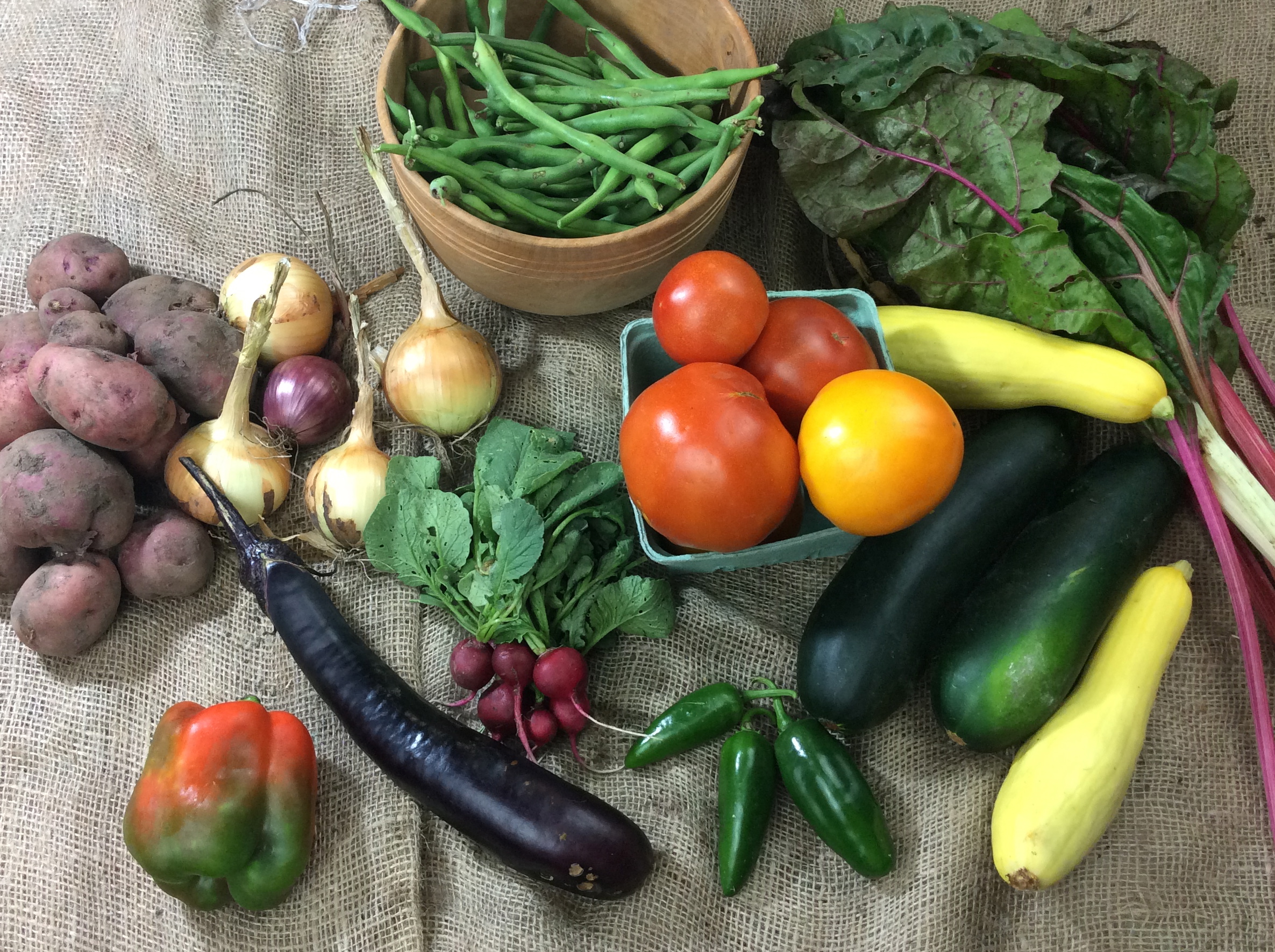
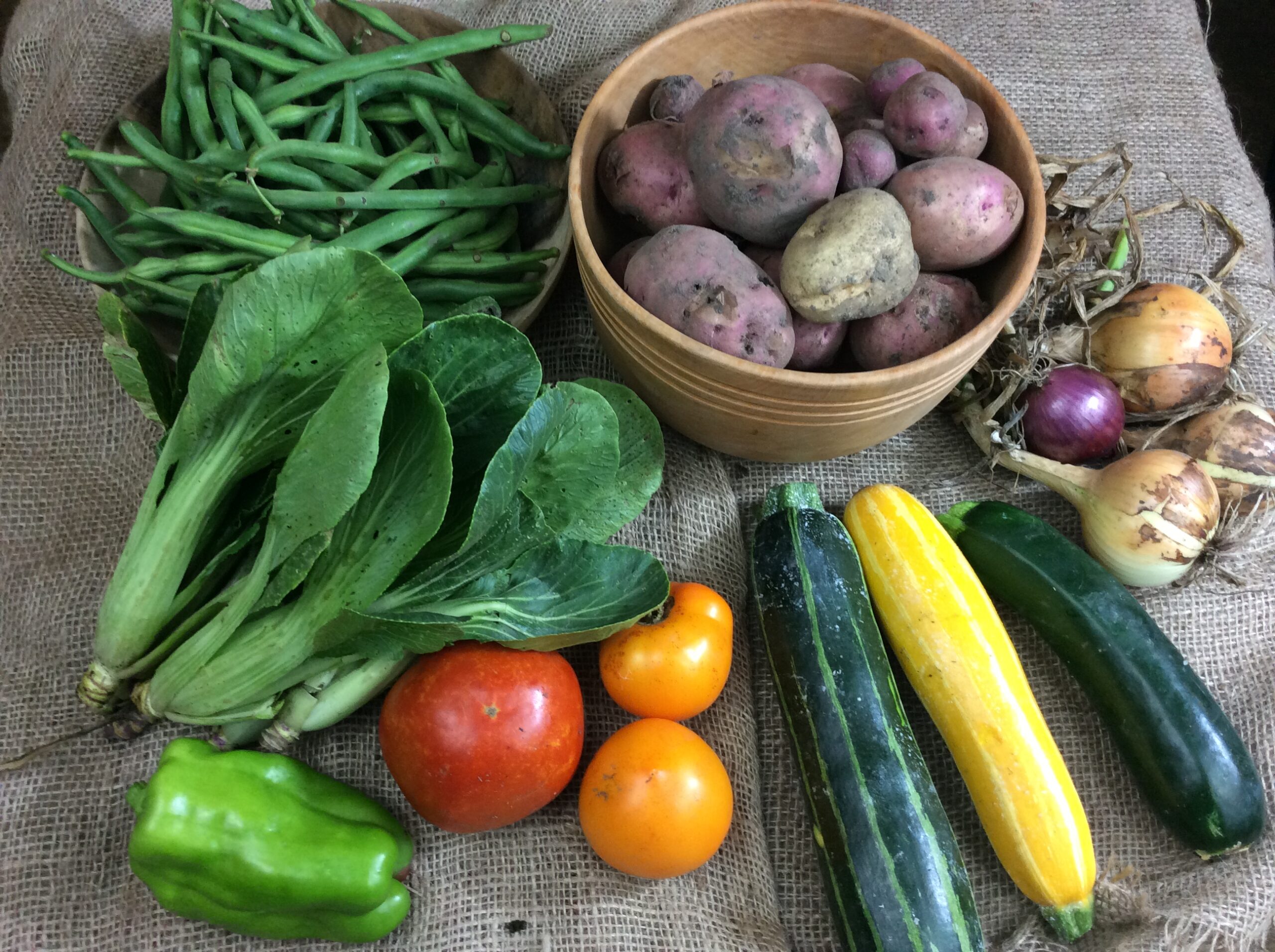
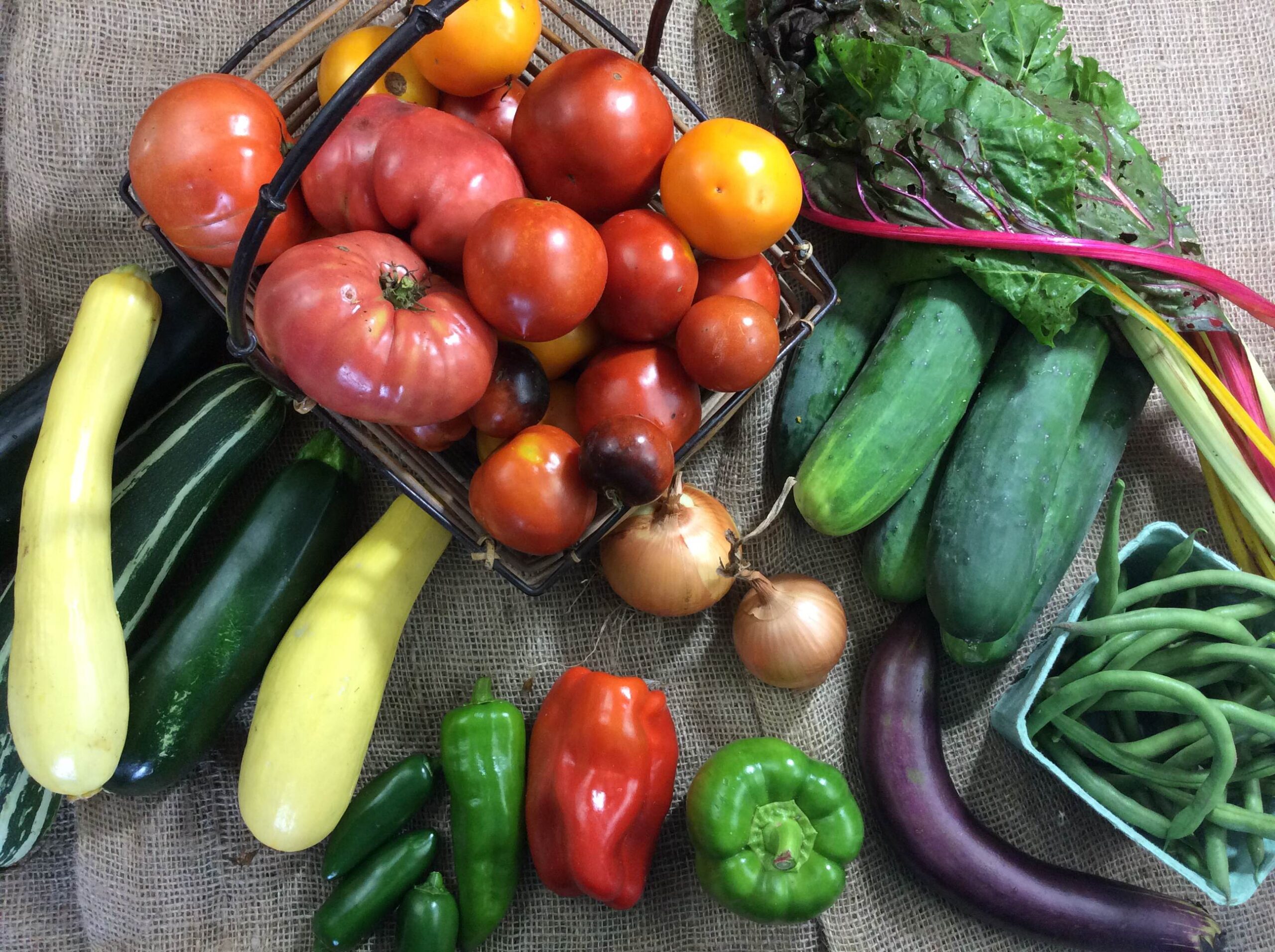
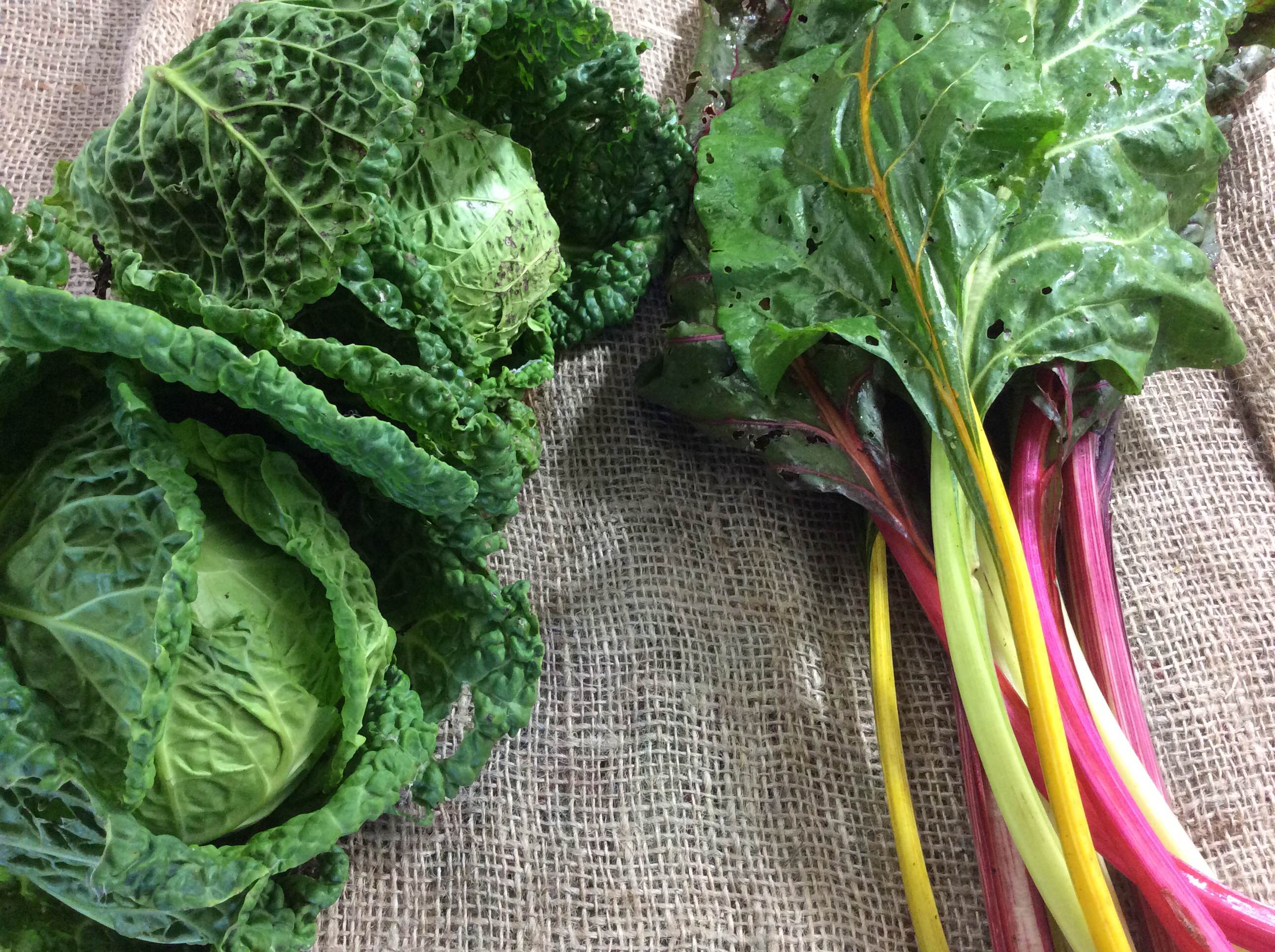
For Week 15 of the Redfearn Farm CSA, the CSA crates will be full of these abundant summer vegetables: Zucchini/ yellow squash, Tomatoes, Candy Onions, Cucumbers (finally!), Swiss Chard OR Cabbage, Green Beans (Partial shares only), Eggplant (Full shares only), Sweet Bell Peppers, and Spicy Peppers. When you pick up your CSA share; make sure to choose between Swiss chard OR Cabbage.
cabbage or chard CSA Kansas City


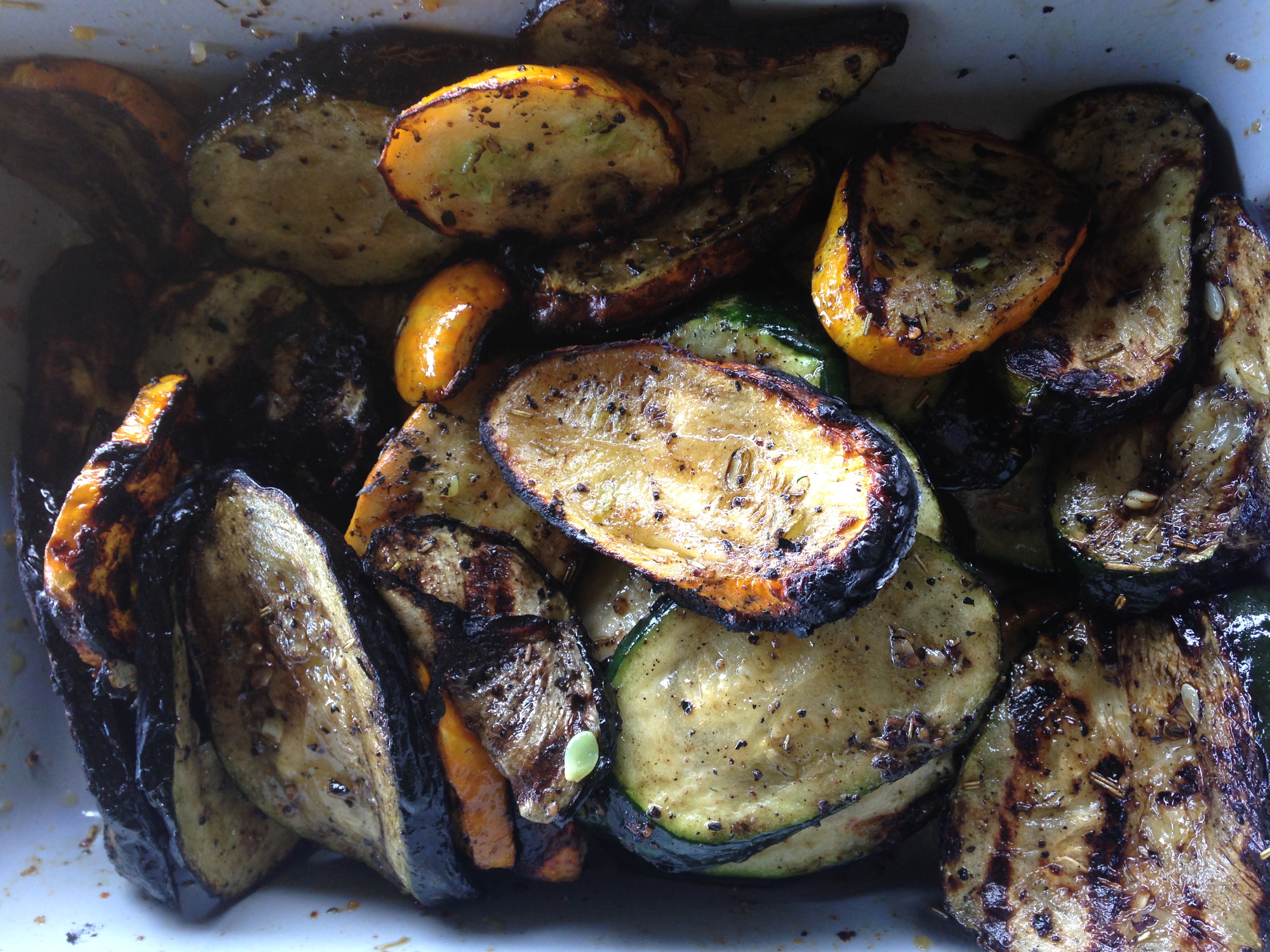
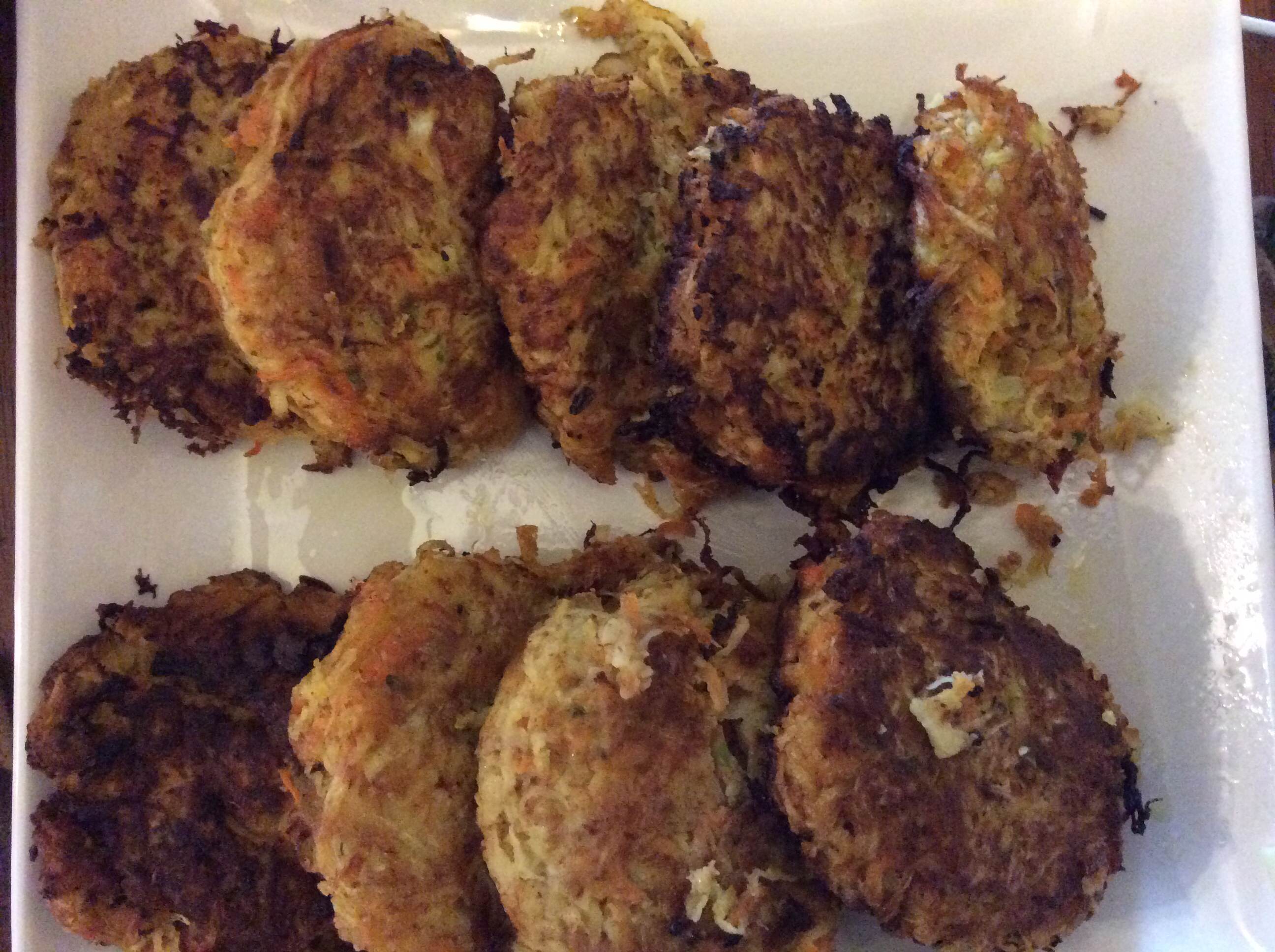
Zucchini/ summer squash: store in plastic bag in refrigerator. Zucchini is great sauteed, grilled, eaten raw, or baked into zucchini bread (my kids favorite way to eat zucchini!). Zucchini (sliced and broiled or pan fried) can take the place of pasta in lasagna. To grill: slice on the bias (diagonal, so the slices are larger) about 1/4″ thick, drizzle with olive oil, salt and pepper and herbs of your choice, (I use a rosemary garlic mix) and mix well to thoroughly coat the slices, and grill (or roast in the oven at about 425 F) until tender. If you want more ideas, you can try Baked Zucchini FriesSquash baked eggs or Zucchini Fritters (these were very good) or Chocolate Zucchini Bread. One of our favorite recipe for a main dish of zucchini is this Cheesy Zucchini Casserole (which we make with shredded sharp cheddar, instead of Velvetta; chopped sweet peppers and sliced fennel can be added to the onion while sautéing ). Here’s a couple other zucchini recipes, recommended by CSA members: Curried Zucchini SoupSauteed Zucchini with Cherry Tomatoes (don’t overcook the zucchini!), and Zucchini Chocolate Rum Cake.

To preserve zucchini/ yellow squash: option 1: shred and freeze in freezer bags, to use in zucchini bread or soups or sauces. Option 2: dehydrate in dehydrator until dry like a chip. I usually store in the freezer, if not perfectly dry. Use the dried zucchini in winter soups or sauces (make sure to add them early enough for them to rehydrate).

Tomatoes: Store at cool room temperature, in a single layer if possible, not in a plastic bag. Here is a website that gives many different Tomato Salad Ideas. This Roasted Tomato Tart recipe is a favorite of mine. Another favorite is baking thick slices with a cheese topping like these Parmesan Tomatoes (I made them without the spicy brown mustard, and really liked them).

To preserve tomatoes: you can freeze them by cutting out the core and any bad spots and putting them in a freezer bag. To use after freezing: thaw slightly in water and the tomato skin can be easily peeled off. The tomatoes can them be used in soup, sauces or other cooked tomato recipes (after freezing the tomatoes will be very soft, but still have good flavor). You can also dry (sliced) tomatoes in a dehydrator following your dehydrators instructions. Or roast tomatoes until desired dryness and then freeze. Tomatoes can also be canned whole, chopped, as salsas or tomato/ pasta sauce (make sure to follow a recipe that is designed for home canning!).

Here are a few more tomato ideas:

Fresh Tomato Pie

Caprese salad

Fresh Salsa (pico de gallo)

Tomato Soup


Cucumbers: store in a plastic big in fridge. Here are a couple cucumber salad ideas: Cucumbers with Sour CreamCucumber and Tomato Salad. Smaller cucumbers make great pickles, like this Dill Pickle recipe.

Swiss Chard: store in plastic bag in fridge. Both the stem and the leaves can be eaten and I usually use both together; chop the stems like you would celery and begin cooking the stems before adding the greens. Our family really likes this Swiss Chard, Sausage, White bean casserole (which also uses a little fennel bulb, and I use the stems and leaves of the chard). This Swiss Chard and Ricotta Crostata  is a wonderful recipe, and one of my all-time favorites.

Green beans: store in plastic bag in refrigerator. Basic cooking instructions: trim the stem end off and leave beans whole or snap into shorter pieces. Heat a pot of salted water to boiling, add beans, and boil 2 to 3 minutes, until almost tender- crisp. Drain beans very well (if you will be finishing the beans later, cool the bean beans to prevent further cooking). Heat butter and olive oil in a skillet (about 1 T each, can be increased or decreased to taste) over medium heat, add beans and salt and pepper to taste, and stir until tender, toward the end of cooking add 1 or 2 cloves garlic (chopped) if desired. Additions: crumbled bacon, toasted slivered almonds, stirred into the beans after cooking.

Sweet pepper:  Store in plastic bag, in refrigerator. Meal idea: sauté sliced candy onions and sweet pepper for a tasty Philly Cheese Sandwich . This has become a family favorite!

Hot peppers: Store in plastic bag, in refrigerator. Chop and add to salsa, or use in this Jalapeno Popper Chicken.

Eggplant (full only, this week): store in plastic bag in refrigerator. Pictured is an Asian Eggplant, but can can be used the same as an Italian (round) Eggplant. Sliced eggplant can be grilled or sauteed. Eggplant slices can replace some of the zucchini in the recipe “Zucchini or Summer Squash Lasagna”.


Zucchini or Summer Squash Lasagna

6-8 small- medium Summer Squash (yellow, green or combination)

1 lb. Ground Beef or Sausage

1 medium Onion, chopped

3-4 cloves Garlic, chopped

1 jar Pasta Sauce (homemade or store- bought)

15 oz. Ricotta Cheese

1/2 C. grated Parmesan Cheese

8 oz. shredded Mozzarella Cheese

2 Eggs

¼- ½  C. fresh basil, chopped


Directions:

  1. Slice squash lengthwise into ¼ inch slices, sprinkle with salt and let stand 30 minutes.  Drain and pat dry.  Lightly brown slices, both sides, in olive oil in large skillet or griddle.  Roasting the squash slices at 400 F is another method. Set aside.
  2. Meanwhile, brown meat with chopped onion and drain.  Return to pan and add chopped garlic, cook 1 minute and add pasta sauce, half of chopped basil and salt and pepper to taste.  Set meat sauce aside.
  3. In a mixing bowl, combine ricotta cheese, half of grated parmesan, half of shredded mozzarella, 2 eggs, remaining chopped basil, and freshly ground pepper.
  4. In a 9” x 13” pan, spread a small amount of meat sauce in the bottom. Layer with 1/3 of the squash slices, top with half the cheese mixture and 1/3 of the meat sauce; repeat once.  Top with the remaining squash and meat sauce.  Reserve remaining shredded mozzarella and Parmesan for topping.
  5. Cover and bake at 375 F for 20-30 minutes or until bubbly.  Top with remaining cheeses and bake 5 more minutes.

Looking ahead: more of these summer vegetables, and everyone should get green beans the next couple weeks (as long as we have harvest help!).


Redfearn Farm CSA- Week 14 Independence, MO

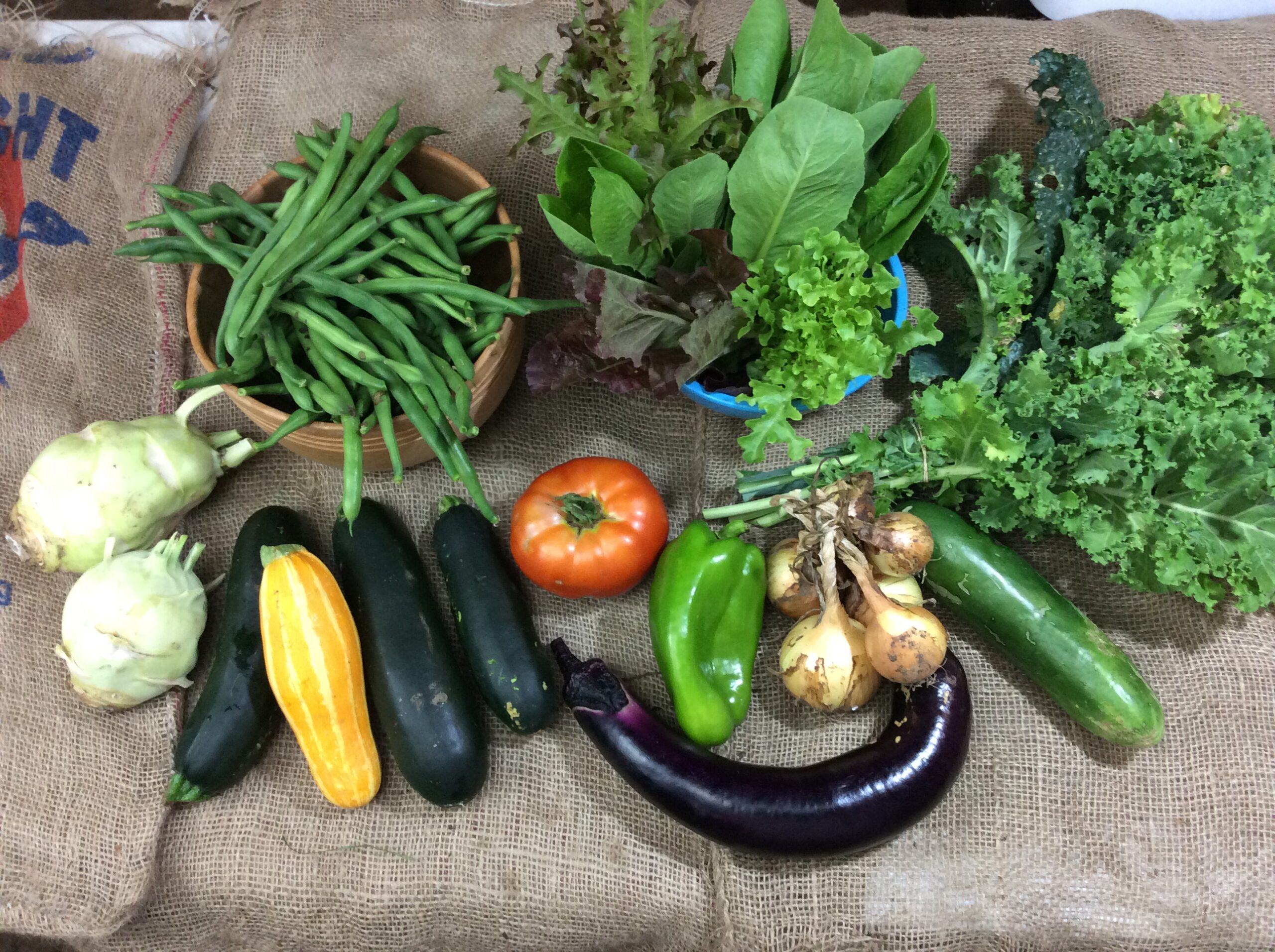
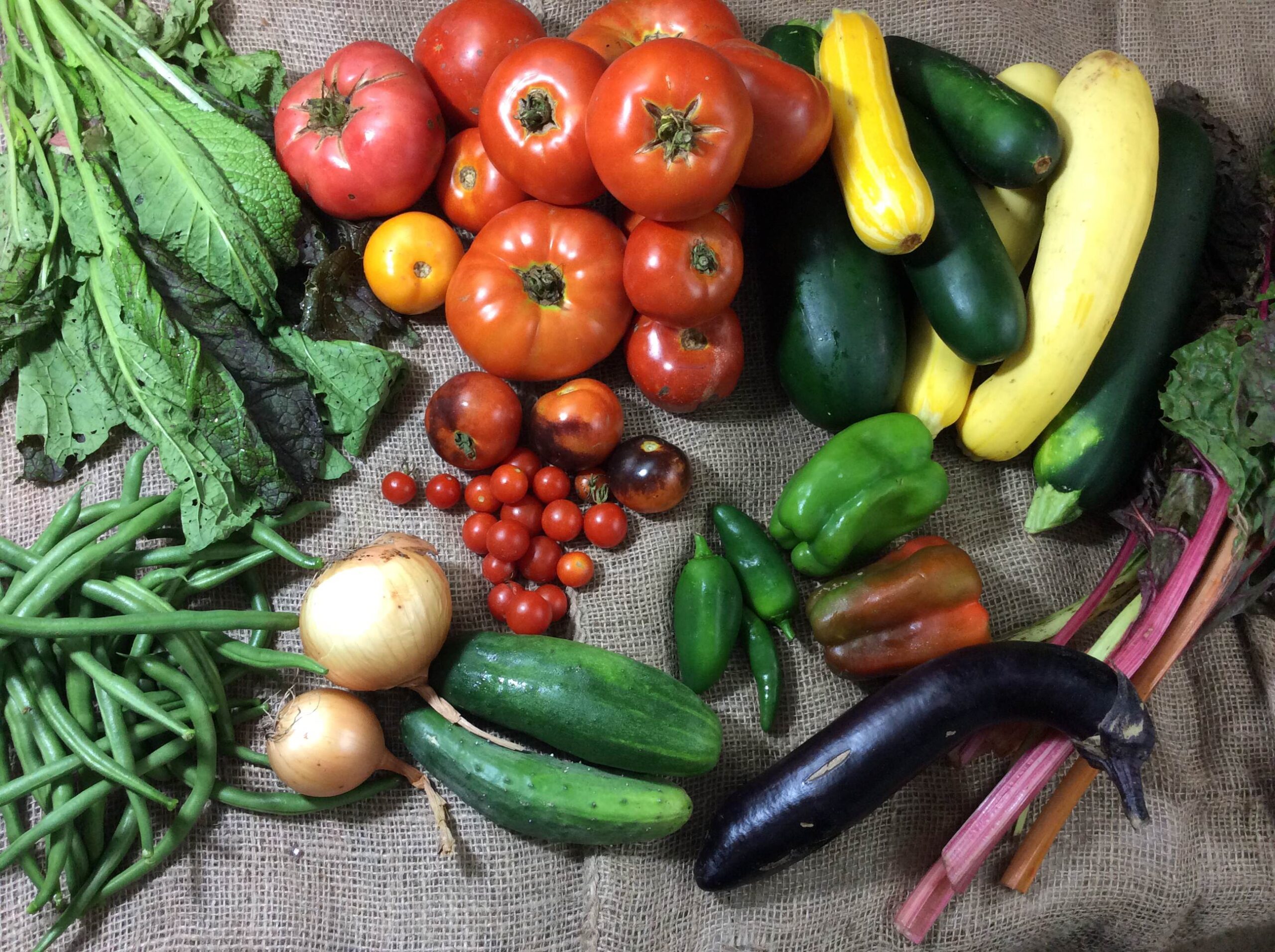
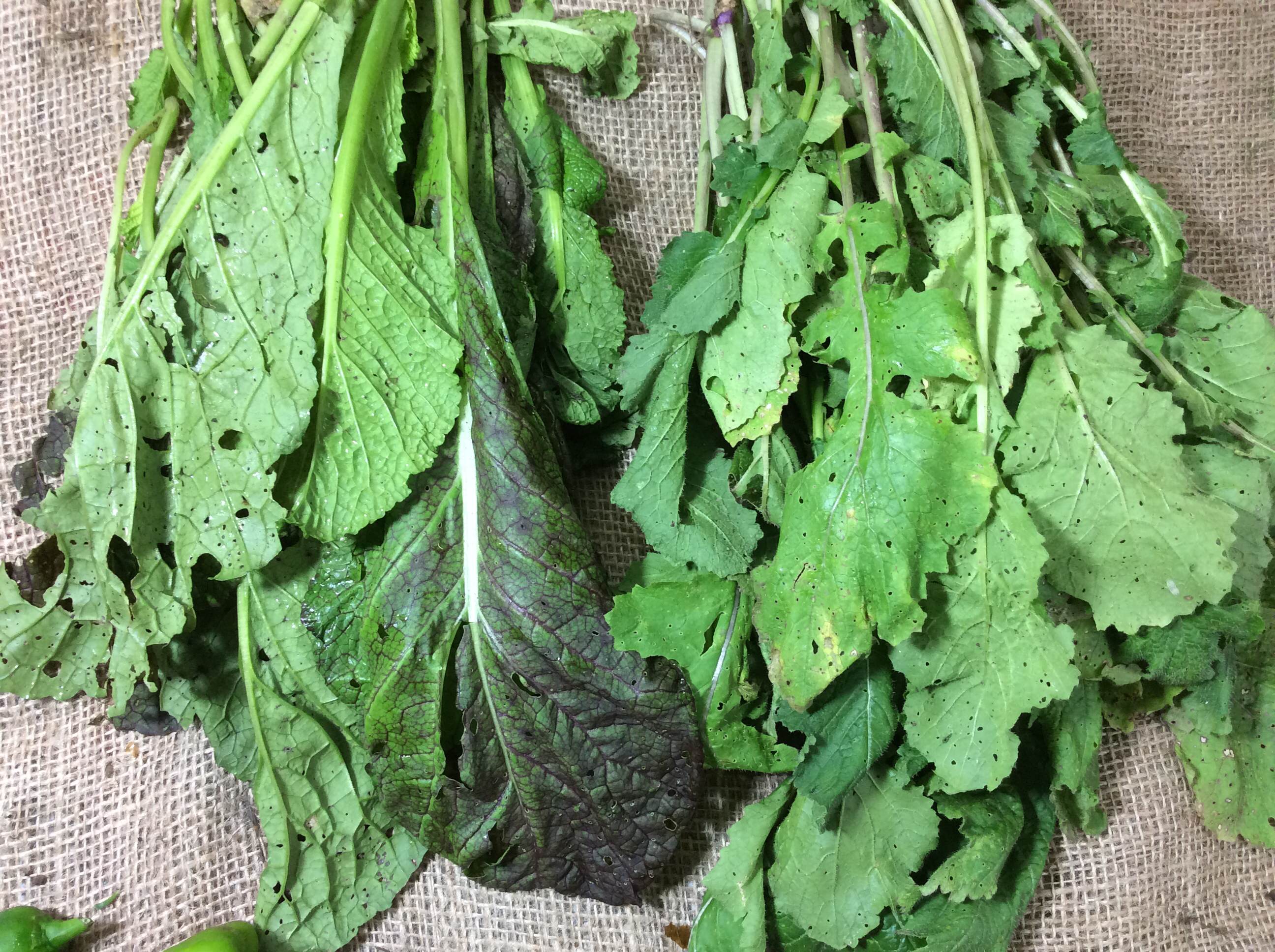
Week 14 of the Redfearn Farm CSA includes (clockwise from top left in the picture): a choice of Turnip Greens or Mustard Greens (picture shown with Mustard greens), Tomatoes, Zucchini and Yellow Squash, Swiss Chard, choice of Eggplant or Fennel (shown w/ Eggplant), Sweet Peppers, Hot peppers, Cucumbers, Onions and Green Beans (Full Shares ONLY).

Turnip Mustard Greens Independence, MO


CHOICE of Mustard greens  (left) OR turnip greens (right).

CSA eggplant fennel Blue Springs


CHOICE of Eggplant (left) OR Fennel (right).

Turnip greens: store in plastic bag in fridge. These greens are stronger in flavor than spinach or chard, but are not spicy. I would not recommend adding turnip greens to smoothies. This week’s turnip greens are quite young, so you don’t need to boil them first, and the stem is thin enough to be included in recipes. Basic cooking instructions: Cut off the root (turnip) end of the greens, wash and dry well (a salad spinner works great) and chop well. Heat oil (butter or bacon grease) in a sauté pan over medium heat, add chopped onion if desired, cook onion till it begins to color, add chopped greens a little at a time and cook until tender (some people like to add a little water or chicken broth to help the greens cook), season with salt and pepper to taste. A splash of vinegar or lemon juice can be added at the end to brighten the flavor. Here’s another pretty basic recipe for turnip greens. They can  also be paired with beans as in this pinto beans and turnip greens dishIndian Saag can be made using a mixture of chopped greens (like mustard or turnip greens with spinach or chard).

Mustard greens: store in plastic bag in fridge. These greens are stronger in flavor than spinach or chard and are spicy. I would NOT recommend adding mustard greens to smoothies. You can eat them raw, if you like a lot of spice. Cooking mellows the flavor of the mustard greens. This week’s mustard greens are quite young, so you don’t need to boil them first, and the stem is thin enough to be included in recipes. Basic cooking instructions: Cut off the root (turnip) end of the greens, wash and dry well (a salad spinner works great) and chop well. Heat oil (butter or bacon grease) in a sauté pan over medium heat, add chopped onion if desired, cook onion till it begins to color, add chopped greens a little at a time and cook until tender (some people like to add a little water or chicken broth to help the greens cook), season with salt and pepper to taste. Indian Saag can be made using a mixture of chopped greens (like mustard or turnip greens with spinach or chard). One of our favorite recipes for mustard greens is this Curried Mustard Greens with Kidney Beans. I don’t usually boil the greens first; instead sauté them in some oil at the beginning of the directions.

Swiss Chard: store in plastic bag in fridge. Both the stem and the leaves can be eaten and I usually use both together; chop the stems like you would celery and begin cooking the stems before adding the greens. Our family really likes this Swiss Chard, Sausage, White bean casserole (which also uses a little fennel bulb, and I use the stems and leaves of the chard).

Tomatoes: Store at cool room temperature, in a single layer if possible, not in a plastic bag. Here is a website that gives many different Tomato Salad Ideas. This Roasted Tomato Tart recipe is a favorite of mine. Another favorite is baking thick slices with a cheese topping like these Parmesan Tomatoes (I made them without the spicy brown mustard, and really liked them). Preserve: you can freeze them by cutting out the core and any bad spots and putting them in a freezer bag. To use after freezing: thaw slightly in water and the tomato skin can be easily peeled off. The tomatoes can them be used in soup, sauces or other cooked tomato recipes (after freezing the tomatoes will be very soft, but still have good flavor). You can also dry (sliced) tomatoes in a dehydrator following your dehydrators instructions. Or roast tomatoes until desired dryness and then freeze. Tomatoes can also be canned whole, chopped, as salsas or tomato/ pasta sauce (make sure to follow a recipe that is designed for home canning!).

Here are a few more tomato ideas:

Caprese salad

Fresh Salsa (pico de gallo)

Tomato Soup

Zucchini/ summer squash: store in plastic bag in refrigerator. To preserve: option 1: shred and freeze in freezer bags, to use in zucchini bread or soups or sauces. Option 2: dehydrate in dehydrator until dry like a chip. I usually store in the freezer, if not perfectly dry. Use the dried zucchini in winter soups or sauces (make sure to add them early enough for them to rehydrate).Zucchini is great, sauteed, grilled, eaten raw, or baked into zucchini bread (my kids favorite way to eat zucchini!). Zucchini (sliced and broiled or pan fried) can take the place of pasta in lasagna. To grill: slice on the bias (diagonal, so the slices are larger) about 1/4″ thick, drizzle with olive oil, salt and pepper and herbs of your choice, I use a rosemary garlic mix) and mix well to thoroughly coat the slices, and grill (or roast in the oven at about 425 F) until tender. If you want more ideas, you can try Baked Zucchini FriesSquash baked eggs or Zucchini Fritters (these were very good) or Chocolate Zucchini Bread. One of our favorite recipe for a main dish of zucchini is this Cheesy Zucchini Casserole (which we make with shredded sharp cheddar, instead of Velvetta; chopped sweet peppers and sliced fennel can be added to the onion while sautéing ). Here’s a couple other zucchini recipes, recommended by CSA members: Curried Zucchini SoupSauteed Zucchini with Cherry Tomatoes (don’t overcook the zucchini!), and Zucchini Chocolate Rum Cake.

Sweet pepper:  Store in plastic bag, in refrigerator. Meal idea: sauté sliced candy onions and sweet pepper for a tasty Philly Cheese Sandwich . This has become a family favorite!

Hot peppers: Store in plastic bag, in refrigerator. Chop and add to salsa, eggs, etc.

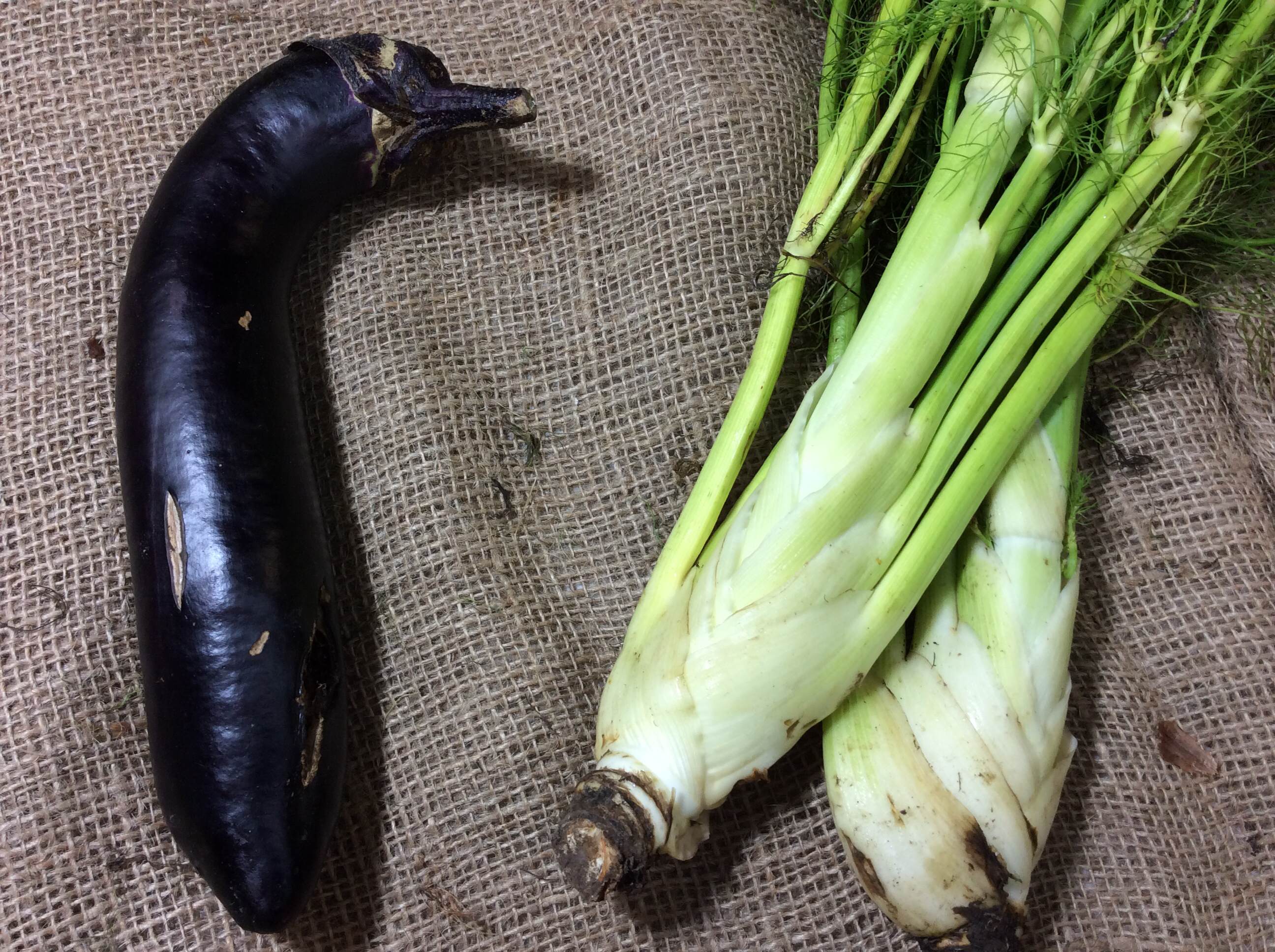
Fennel: Store in a plastic bag in the refrigerator. There are three parts to fennel: the bulb, the stalks and the fronds (the dill-like frilly top). The bulb is the most commonly used part of the vegetable in recipes; such as Caramelized Fennel  or a Fennel Salad. The fennel stalks can be used when making vegetable/ chicken stock to add a subtle fennel flavor (the fennel stalks can be frozen to store). The fennel stalks are a bit tougher than the bulb, but can also be very thinly sliced and added to the fennel bulb slices. Fennel fronds (the tops) can be chopped and added chicken salad, casseroles, stuffed zucchini, etc. This leek and fennel soup uses all the parts of the fennel (and is a vegan recipe). And this Crispy Cream-braised Potatoes and Fennel  looks very tasty.

Eggplant: store in plastic bag in refrigerator. Pictured is an Asian Eggplant, but can can be used the same as an Italian (round) Eggplant. Sliced eggplant can be grilled or sauteed. Eggplant slices can replace some of the zucchini in the recipe “Zucchini or Summer Squash Lasagna”


Zucchini or Summer Squash Lasagna

6-8 small- medium Summer Squash (yellow, green or combination)

1 lb. Ground Beef or Sausage

1 medium Onion, chopped

3-4 cloves Garlic, chopped

1 jar Pasta Sauce (homemade or store- bought)

15 oz. Ricotta Cheese

1/2 C. grated Parmesan Cheese

8 oz. shredded Mozzarella Cheese

2 Eggs

¼- ½  C. fresh basil, chopped


Directions:

  1. Slice squash lengthwise into ¼ inch slices, sprinkle with salt and let stand 30 minutes.  Drain and pat dry.  Lightly brown slices, both sides, in olive oil in large skillet or griddle.  Roasting the squash slices at 400 F is another method. Set aside.
  2. Meanwhile, brown meat with chopped onion and drain.  Return to pan and add chopped garlic, cook 1 minute and add pasta sauce, half of chopped basil and salt and pepper to taste.  Set meat sauce aside.
  3. In a mixing bowl, combine ricotta cheese, half of grated parmesan, half of shredded mozzarella, 2 eggs, remaining chopped basil, and freshly ground pepper.
  4. In a 9” x 13” pan, spread a small amount of meat sauce in the bottom. Layer with 1/3 of the squash slices, top with half the cheese mixture and 1/3 of the meat sauce; repeat once.  Top with the remaining squash and meat sauce.  Reserve remaining shredded mozzarella and Parmesan for topping.
  5. Cover and bake at 375 F for 20-30 minutes or until bubbly.  Top with remaining cheeses and bake 5 more minutes.


Redfearn Farm CSA- Week 13 Independence, MO

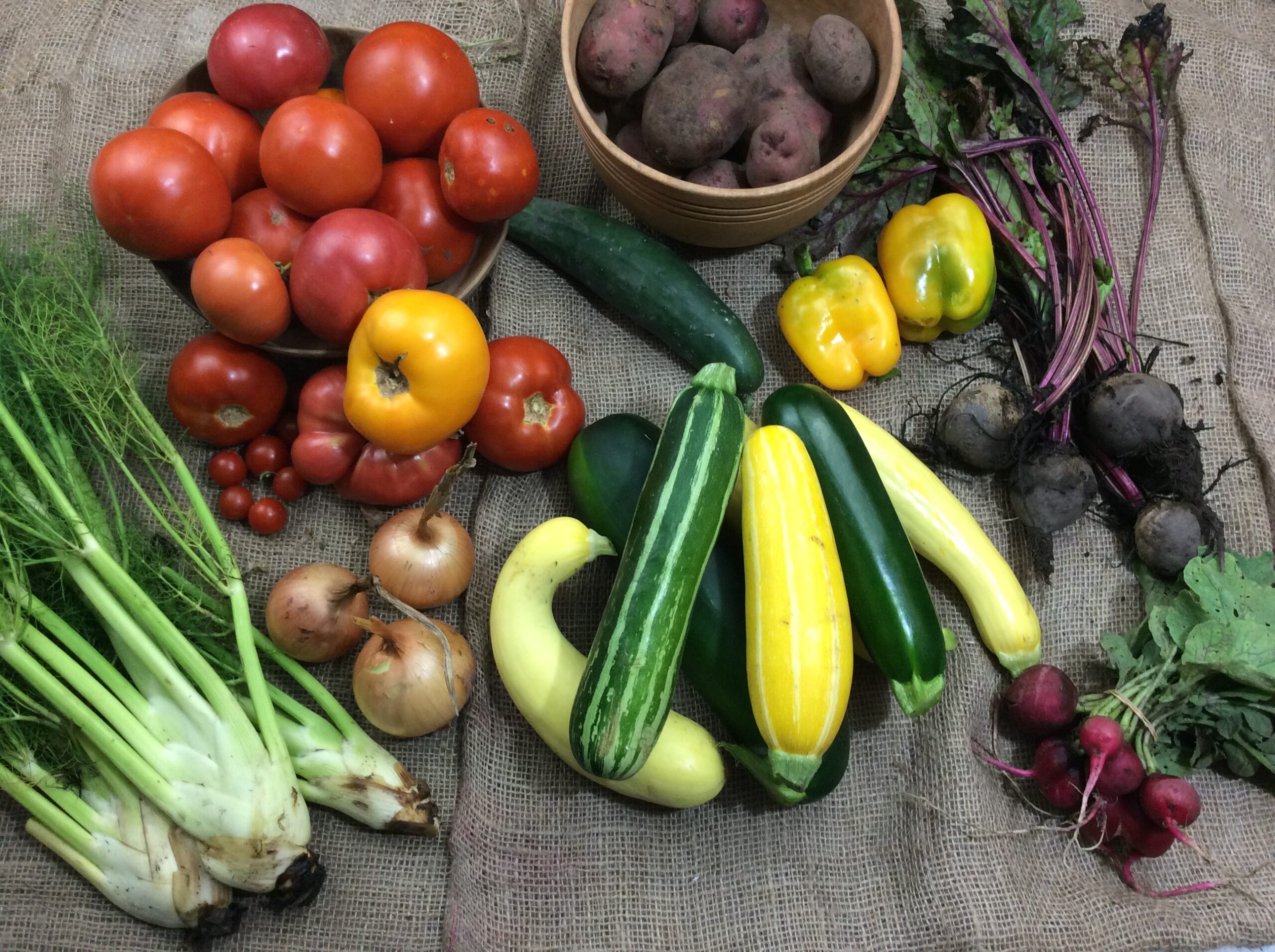
Summer crops are in full swing at the Redfearn Natural Farm in Independence, Missouri! This week’s CSA offerings include: Fennel, Tomatoes (lots!), Zucchini and yellow squash, sweet peppers, choice of: Beets or Eggplant, Radishes with tops, Candy Onions, Spicy Peppers, Cucumber (full share only).

Fennel: Store in a plastic bag in the refrigerator. There are three parts to fennel: the bulb, the stalks and the fronds (the dill-like frilly top). The bulb is the most commonly used part of the vegetable in recipes; such as Caramelized Fennel  or a Fennel Salad. The fennel stalks can be used when making vegetable/ chicken stock to add a subtle fennel flavor (the fennel stalks can be frozen to store). The fennel stalks are a bit tougher than the bulb, but can also be very thinly sliced and added to the fennel bulb slices. This leek and fennel soup uses all the parts of the fennel (and is a vegan recipe). And this Crispy Cream-braised Potatoes and Fennel  looks very tasty. This page lists a variety of fennel recipes: Fennel recipes you will make over and over.

Tomato: Storage: Do NOT refrigerate, because cold temperatures (below 55) hurt the flavor of tomatoes, instead store at cool room temperature out of direct sunlight, not in a plastic bag. Here is a website that gives many different Tomato Salad Ideas. This Roasted Tomato Tart recipe is a favorite of mine. Another favorite is baking thick slices with a cheese topping like these Parmesan Tomatoes (I made them without the spicy brown mustard, and really liked them). Preserve: you can freeze them by cutting out the core and any bad spots and putting them in a freezer bag. To use after freezing: thaw slightly in water and the tomato skin can be easily peeled off. The tomatoes can them be used in soup, sauces or other cooked tomato recipes (after freezing the tomatoes will be very soft, but still have good flavor). You can also dry (sliced) tomatoes in a dehydrator following your dehydrators instructions. Or roast tomatoes until desired dryness and then freeze. Or make or can Salsa or Spaghetti Sauce.

Zucchini/ summer squash: store in plastic bag in refrigerator. Zucchini is great, sauteed, grilled, eaten raw, or baked into zucchini bread (my kids favorite way to eat zucchini!). Zucchini (sliced and broiled or pan fried) can take the place of pasta in lasagna. To grill: slice on the bias (diagonal, so the slices are larger) about 1/4″ thick, drizzle with olive oil, salt and pepper and herbs of your choice, I use a rosemary garlic mix) and mix well to thoroughly coat the slices, and grill (or roast in the oven at about 425 F) until tender. If you want more ideas, you can try Baked Zucchini Fries, Squash baked eggs or Zucchini Fritters (these were very good) or Chocolate Zucchini Bread. One of our favorite recipe for a main dish of zucchini is this Cheesy Zucchini Casserole (which we make with shredded sharp cheddar, instead of Velveet; chopped sweet peppers and sliced fennel can be added to the onion while sautéing ). Here’s a couple other zucchini recipes, recommended by CSA members: Curried Zucchini Soup, Sauteed Zucchini with Cherry Tomatoes (don’t overcook the zucchini!).

Sweet pepper:  Store in plastic bag, in refrigerator. Meal idea: sauté sliced candy onions and sweet pepper for a tasty Philly Cheese Sandwich . This has become a family favorite!

Radishes: a new crop of radishes is ready for harvest! The roots and greens are both very good to eat. Store in plastic bag in refrigerator, the roots separate from the greens. Crisp radishes in ice water. You can just eat them straight with butter and a sprinkle of salt. There are many variations of radish salads, here are a couple: Radish and Mint Salad  (I have made variations of this dish and really like it) Smitten Kitchen’s chopped salad

Here’s a recipe utilizing both the radish roots and tops: Radish and Radish Top Soup

Extra veggies? Try making Grilled Vegetable Sandwiches!

Enjoy the summer bounty!

Redfearn Farm CSA- Week 12 Independence, MO

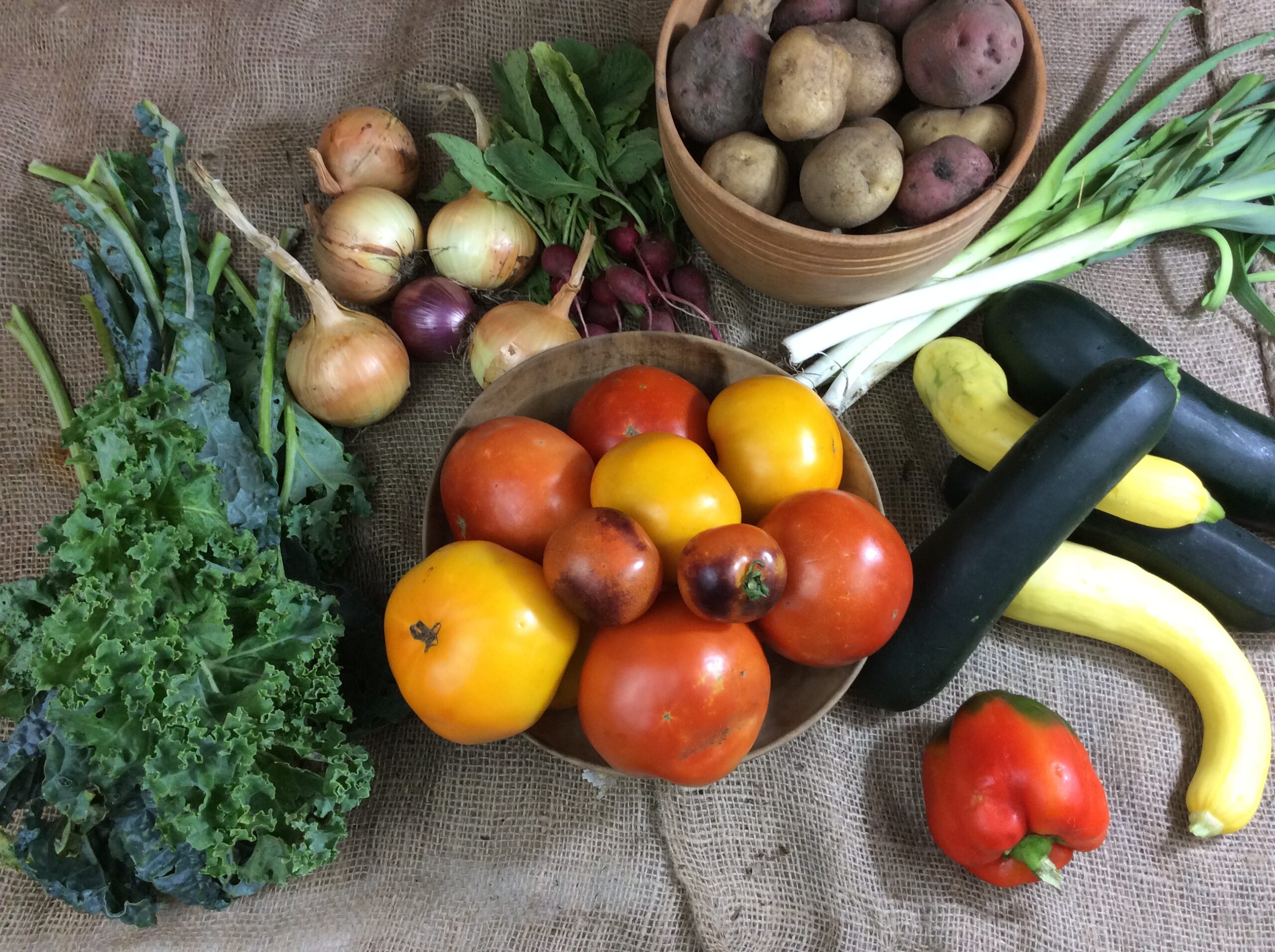
It’s hard to believe that it is already August! This week’s CSA shares include: Kale (full shares only), Candy Onions, Radishes with tops, New Potatoes, Leeks, Zucchini/ Yellow Squash, Sweet Pepper, Tomatoes

Kale: store in plastic bag in refrigerator. Try this Zuppa Tuscana soup (I usually add a can of tomatoes to this soup and sometimes kidney beans). Or, try this method of fixing kale:

Kale, Sausage and Beans

8 to 16 oz. smoked sausage (or omit and increase beans, for a vegetarian version), sliced

1 Onion, chopped

3 (or more) cloves garlic, finally chopped

1 can (or about 2 cups, peeled) tomatoes, with liquid

Kale, 7- 10 leaves, removed from stem and chopped

1 can drained (or about 2 Cups, cooked) white beans, like great northern or cannellini beans

Brown the sausage in a skillet and then remove sausage to a paper towel lined plate and drain off excess oil. Saute the onions in olive oil over medium heat, till soft and golden, 5- 10 minutes. Add chopped garlic and kale, stir to begin to wilt. Then add tomatoes and cover: lower heat and cook until kale is tender, about 5 to 7 minutes, stirring occasionally. Stir in beans and sausage and season to taste (red pepper flakes are a good addition). Can be topped with shredded parmesan cheese.

Candy Onions: Store at cool room temperature.  These candy onions turn very sweet when sautéed or caramelized.

New Potatoes: Store at cool room temperature, out of direct sunlight. New potatoes are most commonly boiled or roasted, and are normally cooked with their skin on. Basic cooking instructions (boil method): Wash potatoes and cut into uniform sized pieces (or leave smaller potatoes whole). Cover with cold water by 2 inches, add plenty of salt, bring to a boil and cook until just tender. Drain potatoes and top with melted butter and chopped herbs (such as parsley or rosemary). In addition to the boil method, new potatoes can be roasted, like this recipe for Roasted Potatoes.

Leeks: store in plastic bag in refrigerator. Leeks are a kind of onion and can be used in many recipes (quiches, tarts, soups) interchangeably with onions. These leeks are thinner than normal, so you may need to use more leeks or add an onion. Here is a recipe for Leek Potato Soup (I haven’t tried this exact soup, but one that is similar). Typically the white and light green sections are used, but the dark green leaf portions can be used to season vegetable or chicken stock. Leeks need to be washed well, since dirt can get in between the layers.

Tomato: Storage: Do NOT refrigerate, because cold temperatures (below 55) hurt the flavor of tomatoes, instead store at cool room temperature out of direct sunlight. Here is a website that gives many different Tomato Salad Ideas. This Roasted Tomato Tart recipe is a favorite of mine. Another favorite is baking thick slices with a cheese topping like these Parmesan Tomatoes (I made them without the spicy brown mustard, and really liked them). Perserve: you can freeze them by cutting out the core and any bad spots and putting them in a freezer bag. To use after freezing: thaw slightly in water and the tomato skin can be easily peeled off. The tomatoes can them be used in soup, sauces or other cooked tomato recipes (after freezing the tomatoes will be very soft, but still have good flavor). You can also dry (sliced) tomatoes in a dehydrator following your dehydrators instructions. Or roast tomatoes until desired dryness and then freeze.

Zucchini/ summer squash: store in plastic bag in refrigerator. Zucchini is great, sauteed, grilled, eaten raw, or baked into zucchini bread (my kids favorite way to eat zucchini!). Zucchini (sliced and broiled or pan fried) can take the place of pasta in lasagna. To grill: slice on the bias (diagonal, so the slices are larger) about 1/4″ thick, drizzle with olive oil, salt and pepper and herbs of your choice, I use a rosemary garlic mix) and mix well to thoroughly coat the slices, and grill until tender. If you want more ideas, you can try Baked Zucchini Fries, or Zucchini Fritters (these were very good) or Chocolate Zucchini Bread

Sweet pepper:  Store in plastic bag, in refrigerator. Meal idea: sauté sliced candy onions and sweet pepper for a tasty Philly Cheese Sandwich . This has become a family favorite!

Radishes: a new crop of radishes is ready for harvest! The roots and greens are both very good to eat. Store in plastic bag in refrigerator, the roots separate from the greens. Crisp radishes in ice water. You can just eat them straight with butter and a sprinkle of salt. There are many variations of radish salads, here are a couple: Radish and Mint Salad  (I have made variations of this dish and really like it) Smitten Kitchen’s chopped salad

Here’s a recipe utilizing both the radish roots and tops: Radish and Radish Top Soup

Extra veggies? Try making Grilled Vegetable Sandwiches!

Enjoy the summer bounty!


Redfearn Farm CSA- Week 11 Kansas City, MO

This week’s CSA offerings include (clockwise from bottom left): Sweet Pepper(s), New Potatoes, Candy Onions,  Green Beans, Tomatoes, Swiss Chard OR Kale (choice), Zucchini/ Yellow Squash, Hot peppers (pictured is jalapeños), Radishes with Greens, Eggplant (Full Shares Only).

Green Beans: this is the end of this planting of green beans, and because of the hot weather, the beans will be a little tough. The beans are still very good if you cook them long and slow. Our family enjoyed this recipe for green beans and new potatoes (we cooked a half recipe and used bacon instead of salt pork, and less salt and butter): Paula Deen’s Green Beans and New Potatoes

New Potatoes: Store at cool room temperature, out of direct sunlight. New potatoes are most commonly boiled or roasted, and are normally cooked with their skin on. Basic cooking instructions (boil method): Wash potatoes and cut into uniform sized pieces (or leave smaller potatoes whole). Cover with cold water by 2 inches, add plenty of salt, bring to a boil and cook until just tender. Drain potatoes and top with melted butter and chopped herbs (such as parsley or rosemary). In addition to the boil method, new potatoes can be roasted, like this recipe for Roasted Potatoes.

Candy Onions: Store at cool room temperature.  These candy onions turn very sweet when sautéed or caramelized.

Tomato: Storage: Do NOT refrigerate, because cold temperatures (below 55) hurt the flavor of tomatoes, instead store at cool room temperature out of direct sunlight.

Zucchini/ summer squash: store in plastic bag in refrigerator. Zucchini is great, sauteed, grilled, eaten raw, or baked into zucchini bread (my kids favorite way to eat zucchini!). Zucchini (sliced and broiled or pan fried) can take the place of pasta in lasagna. To grill: slice on the bias (diagonal, so the slices are larger) about 1/4″ thick, drizzle with olive oil, salt and pepper and herbs of your choice, I use a rosemary garlic mix) and mix well to thoroughly coat the slices, and grill until tender. If you want more ideas, you can try Baked Zucchini Fries, or Zucchini Fritters or Chocolate Zucchini Bread

Sweet pepper:  Store in plastic bag, in refrigerator. Meal idea: sauté sliced candy onions and sweet pepper for a tasty Philly Cheese Sandwich . This has become a family favorite! Here is  what ours’ looked like before adding the cheese.

Philly sandwich Kansas City CSA


Radishes: a new crop of radishes is ready for harvest! The roots and greens are both very good to eat. Store in plastic bag in refrigerator, the roots separate from the greens. Crisp radishes in ice water. You can just eat them straight with butter and a sprinkle of salt. There are many variations of radish salads, here are a couple: Radish and Mint Salad  (I have made variations of this dish and really like it) Smitten Kitchen’s chopped saladHere’s a recipe utilizing both the radish roots and tops: Radish and Radish Top Soup

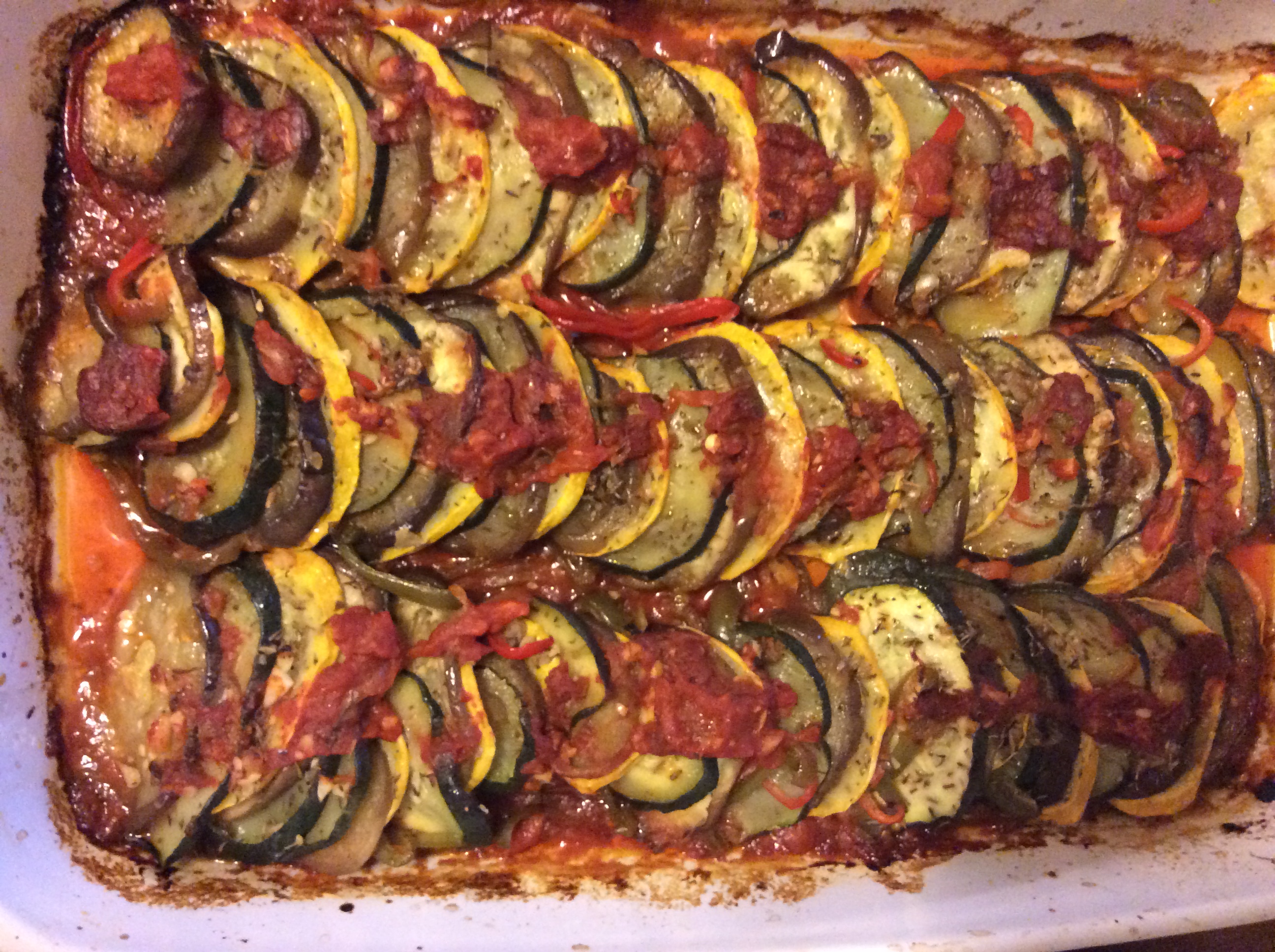
Eggplant (FULL shares): store in plastic bag in refrigerator. Eggplants don’t store well, so use it quick. Ratatouille is a great dish using onions, zucchini/ squash and eggplant.  Here’s the recipe that I followed for Ratatouille.

Ratatouille CSA Lee's summit


Choice of Kale OR Swiss Chard:

Swiss Chard: store in plastic bag in refrigerator. Both the leafy greens and crunchy stem can be cooked. I always use both (because I hate to waste). Thinly slice the stems like celery and cook them for longer than the leafy greens (which I chop). This recipe for a Swiss Chard Crostata is one of my favorite recipes ever, so if you like free form tarts, quiches, etc., you should like this: http://www.afeastfortheeyes.net/2010/09/swiss-chard-ricotta-crostata-dont.html

Kale: store in plastic bag in refrigerator. Try this Zuppa Tuscana soup (I usually add a can of tomatoes to this soup and sometimes kidney beans). Or, try this method of fixing kale:

Kale, Sausage and Beans

8 to 16 oz. smoked sausage (or omit and increase beans, for a vegetarian version), sliced

1 Onion, chopped

3 (or more) cloves garlic, finally chopped

1 can (or about 2 cups, peeled) tomatoes, with liquid

Kale, 7- 10 leaves, removed from stem and chopped

1 can drained (or about 2 Cups, cooked) white beans, like great northern or cannellini beans

Brown the sausage in a skillet and then remove sausage to a paper towel lined plate and drain off excess oil. Saute the onions in olive oil over medium heat, till soft and golden, 5- 10 minutes. Add chopped garlic and kale, stir to begin to wilt. Then add tomatoes and cover: lower heat and cook until kale is tender, about 5 to 7 minutes, stirring occasionally. Stir in beans and sausage and season to taste (red pepper flakes are a good addition). Can be topped with shredded parmesan cheese.

Also some rabbit-nibbled beets will be available (first come, first serve)

Beets: This recipe utilizes both the beets and the greens (I didn’t use the swiss chard in this recipe, and used different cheese): French Peasant Beets 

Meal ideas:

Philly steak sandwiches and radish soup
Ratatouille or zucchini lasagna, meat dish, bread
Swiss chard torta and radish salad or sliced tomatoes
Green beans with new potatoes; would go well with a roast

If you have leftover ratatouille or extra squash/ eggplant/peppers/ tomatoes; roast vegetables if uncooked, or just chop leftovers, add caramelized onion, shredded cheese. Pile on a pie pastry on a cookie sheet to make a free form tart/ quiche. Bake until crust it’s cooked through at 400F, about 25-30 minutes. 


Organic Wild Berries at Kansas City Area Farm

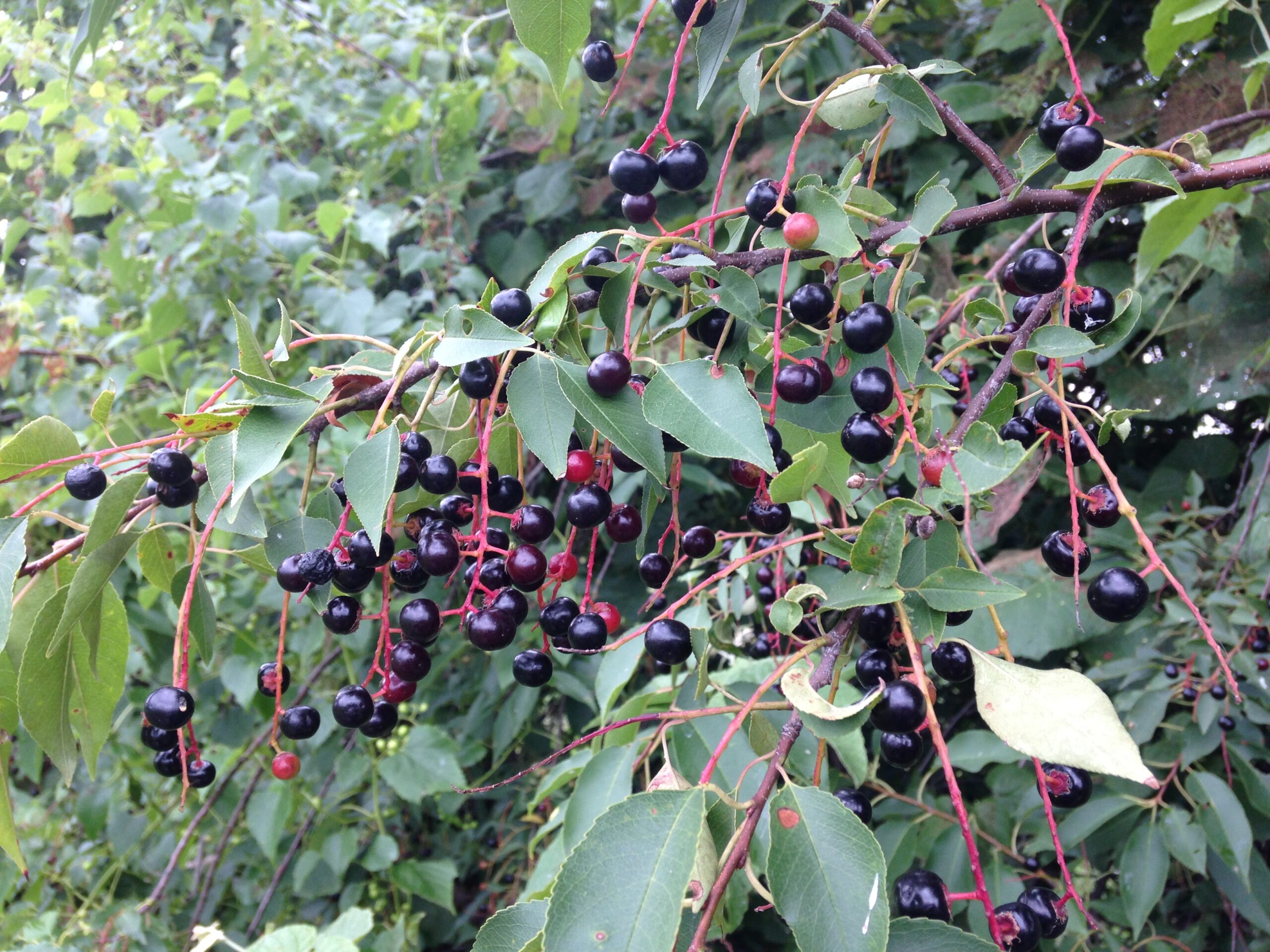
We used up the last bit of homemade peach elderberry preserves the other day and when we checked the pantry we found we were completely out jam in general!  Fortunately, our wild black cherry trees are bearing delicious organic wild berries for us and our feathered friends to enjoy.  So, we set to the work of harvesting with the hopes of filling our pails with these delicious treats.

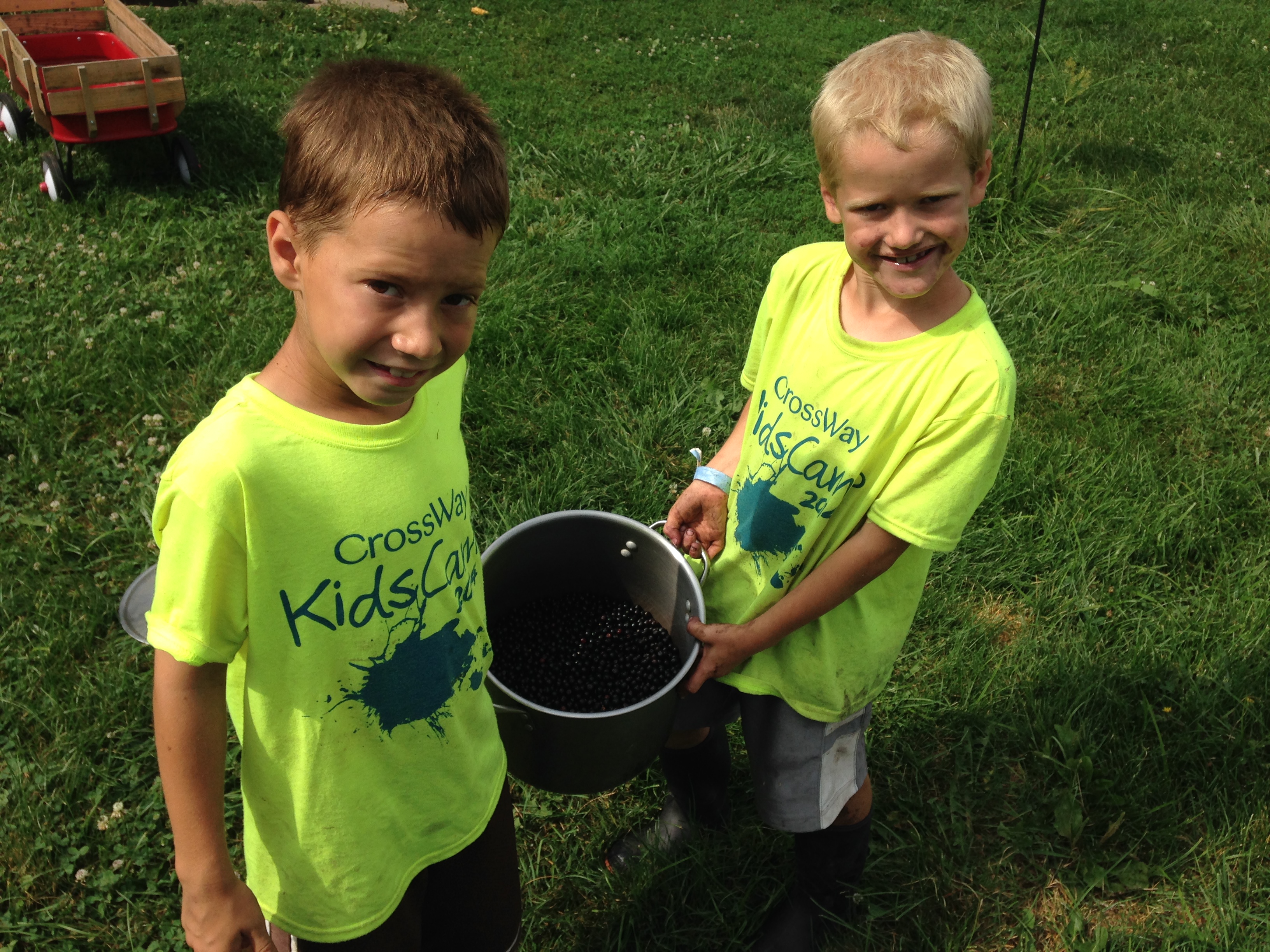
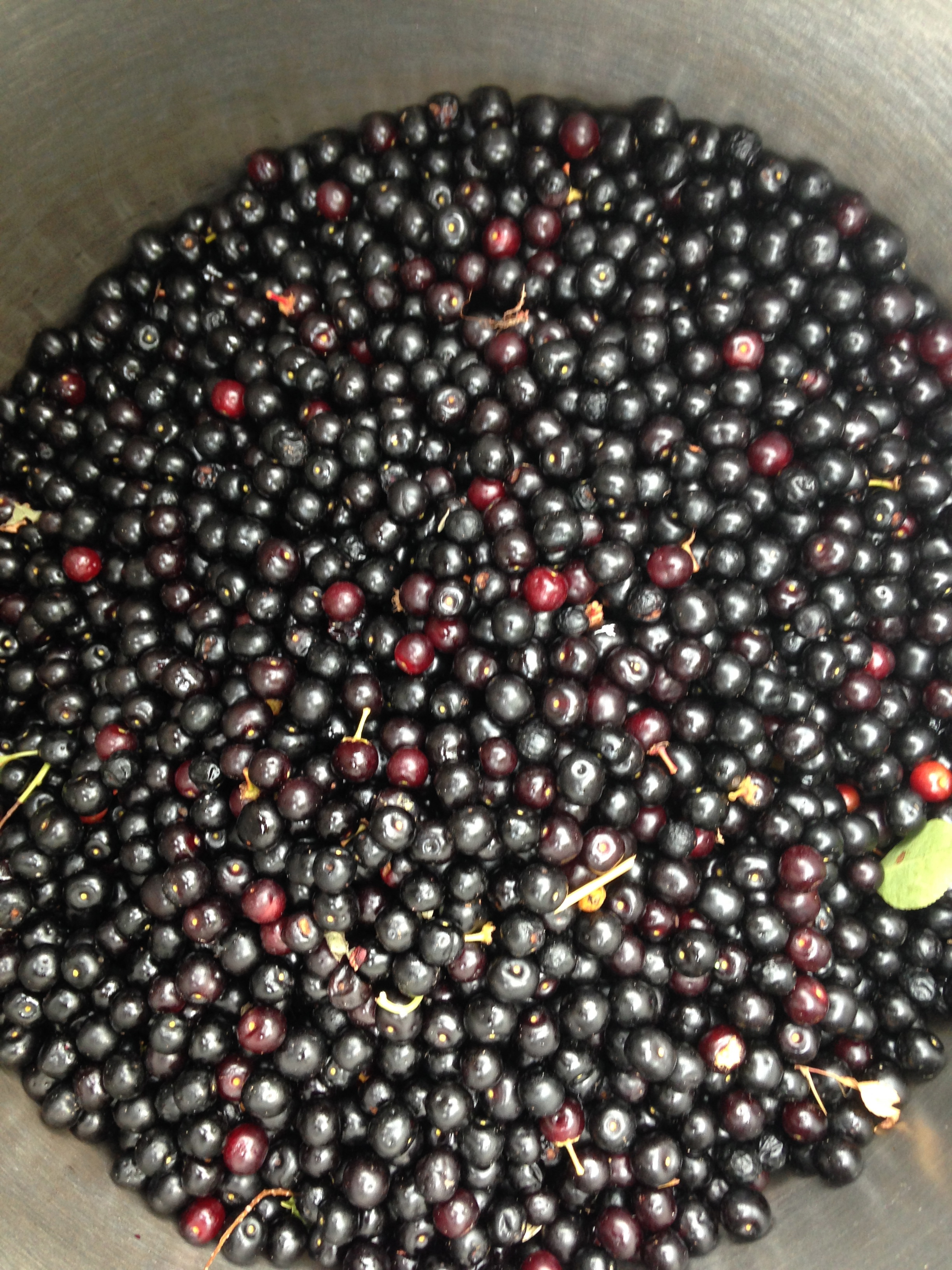
Organic Wild Berry Picking Wild Black CherryWell, organic wild black cherries are pretty small, so we didn’t completely fill our pails, but we ended up with more than a gallon of berries that we’ll be turning into our first batch of delicious jam for this season.

We were fortunate to find

several Prunus serotina (wild black cherry) already growing on our Independence Missouri farm.  Since then we’ve planted dozens more along the fence rows.  Wild black cherries are an excellent native tree you can plant that will provide shade, edibles and food for dozens of species of wild birds.  If you want to plant this Missouri native on your property you can find them very reasonably priced at the Missouri Department of Conservation.


Organic Berries in Pail Independence Missouri

Organic Berry Harvest Kansas City

Recipe Contest Could Earn You Free Local Honey from Independence, MO

Your Opportunity for FREE Local Honey through our CSA Vegetable Recipe Contest has arrived!  We’re giving away our delectably sweet local honey in return for some tasty recipes from our online community.  We’re always on the lookout for delicious recipes that use fresh vegetables in season that we can share on our website, and frankly, with all the farming work Sheri has been too busy to document and post her culinary work, so we thought, why not give everyone the chance to share their favorite recipes and get a chance to win some of our honey.

Every recipe you submit that meets our criteria will be considered an entry into the contest.  The more entries you make, the greater your chance to win!  As we receive your recipes we’ll post them on our website and share via Facebook giving credit to the author (you could be famous!). At the end of the CSA season we’ll randomly select from the entries a grand prize winner and two other winners.  The grand prize is two pounds of our local honey! Yum!  Second and third prize are one pound jars of honey.

So what are you waiting for? Some more instructions?

Recipe Contest Rules

To be considered a valid entry your submission must:

1. Be original or modified by you.  Not copied straight from Betty Crocker.  The only one you can copy directly from is your Great Aunt Mildred.  If you are adapting a recipe, make sure you include where or from whom you are adapting it with a link to the site if it is online.

2. Feature seasonal vegetables.  You don’t have to be a CSA member to participate, but your recipe should feature vegetables that we provide in our CSA.  If you want to know what kinds of things are seasonal, just look through our weekly blog posts to see what’s been included.  The recipe does not have to be vegetarian but should include more than a few minced onions.

3. Include at least two clear, preferably attractive photos.  You’ll need one of the finished product and at least one of the work in progress.  More photos is usually better if it would help in the preparation instructions.

4. Include an ingredient list and step by step instructions.  “Mix it together and cook”, just doesn’t cut it. For ideas on what we are looking for, you can view some of Sheri’s recipe posts.

5. Taste great! We’re looking for stuff you and your family enjoy and you think others might enjoy as well.  It doesn’t have to be gourmet, but it should be something you’d like to serve to guests and that showcases the fresh ingredients.

To enter, just email your recipe to recipes@redfearnfarm.com with the photos attached.

When we receive your recipe, we will review it to insure that it meets our criteria and respond to you with any necessary modifications or with a congratulations.  We will then post the recipe to your credit on our website for others to enjoy.

At the end of the CSA season we will conduct a drawing and announce our three winners.


Redfearn Farm CSA- Week 10 Kansas City, MO

We are thankful for the beautiful weather this past week that made farm work more enjoyable! Our family and CSA volunteers harvested new potatoes and the remainder of the onions this weekend so CSA members will get to enjoy those items in their CSA shares. Here’s the list of items found in this week’s share: Bok Choy, Green beans, New Potatoes, Candy Onions, Zucchini/ Yellow squash, Tomatoes, Sweet Pepper. Full shares will also enjoy one more additional item (probably lettuce or kale), not pictured.

Bok Choy: store in plastic bag in refrigerator. Here is a favorite recipe for bok choy: Bok Choy in Garlic Sauce. Cooked Bok Choy can be added to fried rice. Bok Choy can also be cooked and used inside egg rolls (I just followed the instructions on the back of the package of egg roll wrappers).

Green beans: store in plastic bag in refrigerator. The green beans are a little thicker this week, so will need to be cooked longer. Basic cooking instructions: trim the stem end off and leave beans whole or snap into shorter pieces. Heat a pot of salted water to boiling, add beans, and boil about 5 minutes, until tender- crisp. Drain beans very well (if you will be finishing the beans later, cool the bean beans to prevent further cooking). Heat butter and olive oil in a skillet (about 1 T each, can be increased or decreased to taste) over medium heat, add beans and salt and pepper to taste, and stir until tender, toward the end of cooking add 1 or 2 cloves garlic (chopped) if desired. Additions: onions (cooked in the oil/ butter before adding beans), toasted slivered almonds, stirred into the beans after cooking. To preserve: blanch in boiling water for 3-5 minutes, drain, cool in ice water, drain and pack in freezer bags and freeze.

New Potatoes: Store at cool room temperature, out of direct sunlight. New potatoes are most commonly boiled or roasted, and are normally cooked with their skin on. Basic cooking instructions (boil method): Wash potatoes and cut into uniform sized pieces (or leave smaller potatoes whole). Cover with cold water by 2 inches, add plenty of salt, bring to a boil and cook until just tender. Drain potatoes and top with melted butter and chopped herbs (such as parsley or rosemary). In addition to the boil method, new potatoes can be roasted, like this recipe for Roasted Potatoes.

Candy Onions: Store at cool room temperature.  These candy onions turn very sweet when sautéed or caramelized.

Tomato: Storage: Do NOT refrigerate, because cold temperatures (below 55) hurt the flavor of tomatoes, instead store at cool room temperature out of direct sunlight.

Zucchini/ summer squash: store in plastic bag in refrigerator. Zucchini is great, sauteed, grilled, eaten raw, or baked into zucchini bread (my kids favorite way to eat zucchini!). Zucchini (sliced and broiled or pan fried) can take the place of pasta in lasagna. To grill: slice on the bias (diagonal, so the slices are larger) about 1/4″ thick, drizzle with olive oil, salt and pepper and herbs of your choice, I use a rosemary garlic mix) and mix well to thoroughly coat the slices, and grill until tender. If you want more ideas, you can try Baked Zucchini Fries, or Zucchini Fritters or Chocolate Zucchini Bread

Sweet pepper:  Store in plastic bag, in refrigerator.

Redfearn Farm CSA- Week 9 Independence, Lee’s Summit, Kansas City, MO

The summer crops are coming in at the Redfearn Farm here in Independence, MO! Week 9 of the 2014 CSA season, includes (clockwise, beginning in the bottom left of the photo):  Kohlrabi (full shares only), Green beans, Lettuces, Kale, Cucumber (full shares, and maybe partial shares), Candy Onions, Sweet bell pepper (full shares: large, maybe partial shares), Eggplant (full shares: large, partial shares: smaller), Tomato (full shares: large, partial shares: smaller), Zucchini/ Summer Squash. Eggplant doesn’t store as well, so we would recommend eating eggplant early in the week.

Kohlrabi: Both the leaves and the bulbous stem (the round part) are edible. The bulbous part can last for a couple weeks in the fridge, but the greens should be use within a couple days, both should be stored in plastic bags in the refrigerator . The bulb should be peeled by cutting off a thin slice on the top and bottom of the bulb and using a paring knife to cut the skin off the kohlrabi bulb.Here is a link with recipes using the kohlrabi bulb and greens, including one of our favorites, the kohlrabi patties: Kohlrabi Recipes.  The kohlrabi patties can also be made using both shredded kohlrabi and turnips (and carrots can be added, too), that are first salted and excess moisture squeezed out.

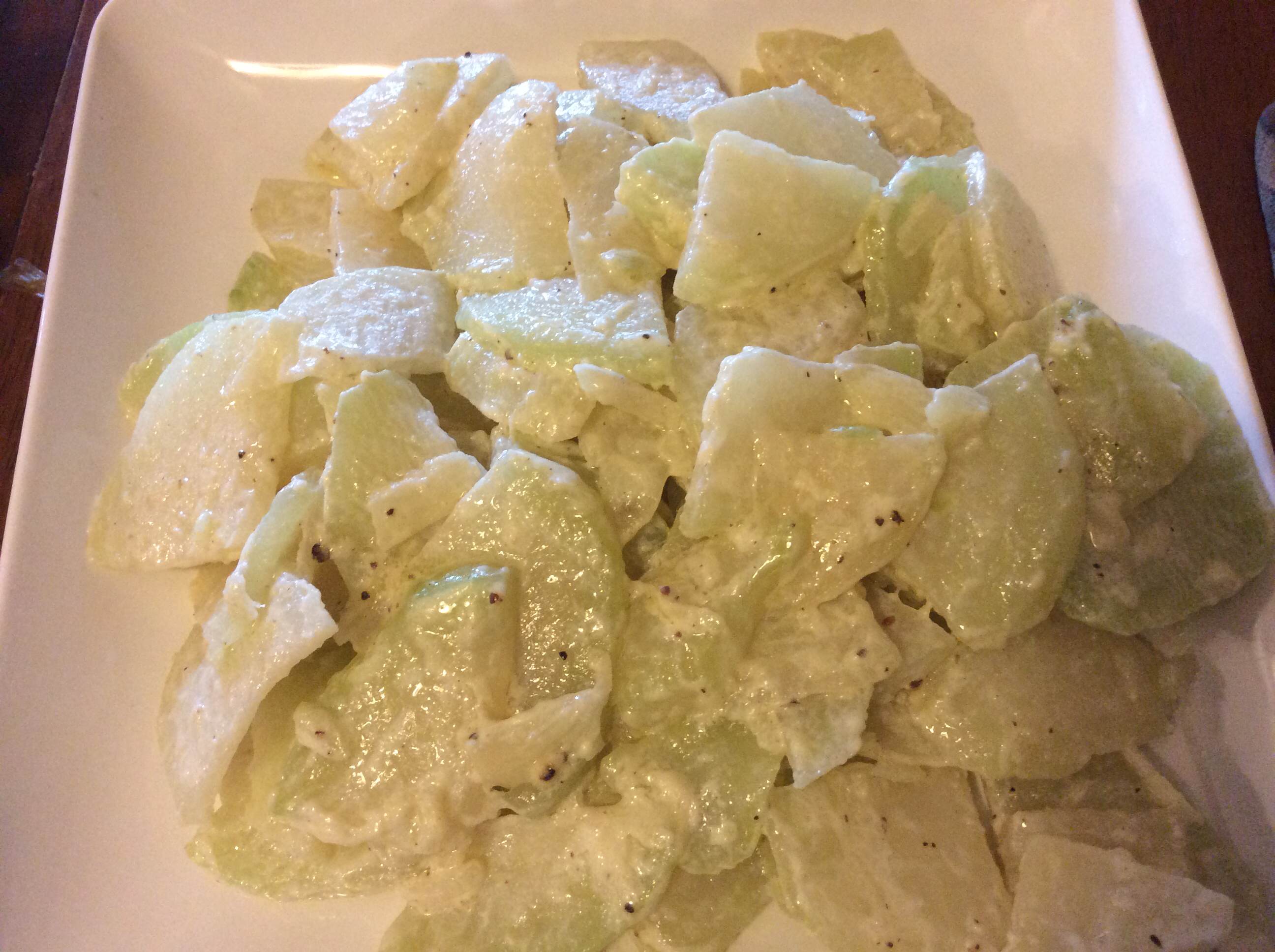
Butter- braised Kohlrabi:

Peel kohlrabi, and thinly slice (1/8 to 1/4 inch thick) and cook in a skillet with butter and olive oil and salt and pepper, add about 1/2 cup of chicken broth, cover the skillet and cook, stirring occasionally, until tender. Optional: Cream can be added at the end.

Butter-braised Kohlrabi Blue Springs CSA


Green beans: store in plastic bag in refrigerator. The green beans are a little thicker this week, so will need to be cooked longer. Basic cooking instructions: trim the stem end off and leave beans whole or snap into shorter pieces. Heat a pot of salted water to boiling, add beans, and boil 3 to 5 minutes, until almost tender- crisp. Drain beans very well (if you will be finishing the beans later, cool the bean beans to prevent further cooking). Heat butter and olive oil in a skillet (about 1 T each, can be increased or decreased to taste) over medium heat, add beans and salt and pepper to taste, and stir until tender, toward the end of cooking add 1 or 2 cloves garlic (chopped) if desired. Additions: toasted slivered almonds, stirred into the beans after cooking.

Lettuces: store in plastic bag in refrigerator. Wilted lettuce is great:  Wilted Lettuce salad

Kale: store in plastic bag in refrigerator. Try this Zuppa Tuscana soup (I usually add a can of tomatoes to this soup and sometimes kidney beans). Or, try this method of fixing kale:

Kale, Sausage and Beans

8 to 16 oz. smoked sausage (or omit and increase beans, for a vegetarian version), sliced

1 Onion, chopped

3 (or more) cloves garlic, finally chopped

1 can (or about 2 cups, peeled) tomatoes, with liquid

Kale, 7- 10 leaves, removed from stem and chopped

1 can drained (or about 2 Cups, cooked) white beans, like great northern or cannellini beans

Brown the sausage in a skillet and then remove sausage to a paper towel lined plate and drain off excess oil. Saute the onions in olive oil over medium heat, till soft and golden, 5- 10 minutes. Add chopped garlic and kale, stir to begin to wilt. Then add tomatoes and cover: lower heat and cook until kale is tender, about 5 to 7 minutes, stirring occasionally. Stir in beans and sausage and season to taste (red pepper flakes are a good addition). Can be topped with shredded parmesan cheese.

Spring Candy Onions: Store at room temperature. Spring onions have not been cured/dried so they will not last as long as storage onions. These candy onions turn very sweet when sautéed or caramelized.

Cucumbers: store in plastic bag in refrigerator

Eggplant: store in plastic bag in refrigerator. Pictured is an Asian Eggplant, but can can be used the same as an Italian (round) Eggplant. Sliced eggplant can be grilled or sauteed. Eggplant slices can replace some of the zucchini in the recipe “Zucchini or Summer Squash Lasagna”

Tomato: Storage: Do NOT refrigerate, because cold temperatures (below 55) hurt the flavor of tomatoes.

Zucchini/ summer squash: zucchini is great, sauteed, grilled, eaten raw, or baked into zucchini bread (my kids favorite way to eat zucchini!). Zucchini (sliced and broiled or pan fried) can take the place of pasta in lasagna. To grill: slice on the bias (diagonal, so the slices are larger) about 1/4″ thick, drizzle with olive oil, salt and pepper and herbs of your choice, I use a rosemary garlic mix) and mix well to thoroughly coat the slices, and grill until tender.

Grilled Zucchini Kansas City CSA


Zucchini or Summer Squash Lasagna

6-8 small- medium Summer Squash (yellow, green or combination)

1 lb. Ground Beef or Sausage

1 medium Onion, chopped

3-4 cloves Garlic, chopped

1 jar Pasta Sauce (homemade or store- bought)

15 oz. Ricotta Cheese

1/2 C. grated Parmesan Cheese

8 oz. shredded Mozzarella Cheese

2 Eggs

¼- ½  C. fresh basil, chopped


Directions:

  1. Slice squash lengthwise into ¼ inch slices, sprinkle with salt and let stand 30 minutes.  Drain and pat dry.  Lightly brown slices, both sides, in olive oil in large skillet or griddle.  Roasting the squash slices at 400 F is another method. Set aside.
  2. Meanwhile, brown meat with chopped onion and drain.  Return to pan and add chopped garlic, cook 1 minute and add pasta sauce, half of chopped basil and salt and pepper to taste.  Set meat sauce aside.
  3. In a mixing bowl, combine ricotta cheese, half of grated parmesan, half of shredded mozzarella, 2 eggs, remaining chopped basil, and freshly ground pepper.
  4. In a 9” x 13” pan, spread a small amount of meat sauce in the bottom. Layer with 1/3 of the squash slices, top with half the cheese mixture and 1/3 of the meat sauce; repeat once.  Top with the remaining squash and meat sauce.  Reserve remaining shredded mozzarella and Parmesan for topping.
  5. Cover and bake at 375 F for 20-30 minutes or until bubbly.  Top with remaining cheeses and bake 5 more minutes.


In the weeks to come: More Tomatoes, Zucchini/ yellow squash, Green beans, Greens, New Potatoes and more!


Redfearn Farm CSA- Week 8 Independence, Lee’s Summit and Kansas City, MO

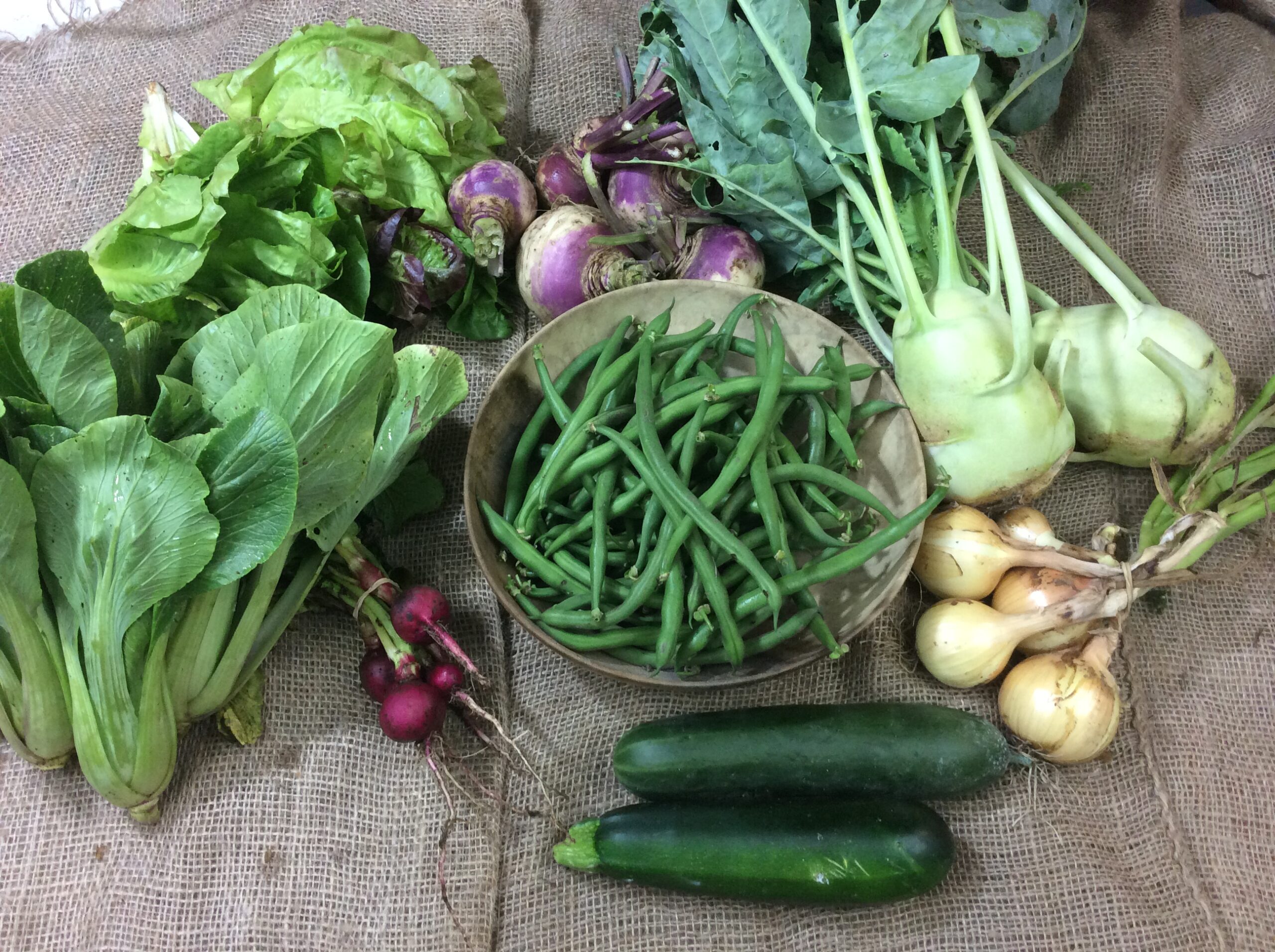
The vegetables for Week 8 of the Redfearn Farm CSA are (clockwise from bottom left): Bok Choy, Lettuce, Turnips, Green Beans (center), Kohlrabi, Candy Onions, Zucchini or Cucumbers (there will be a choice), and Radishes. When you pick up your CSA box, check the table at your pickup location and follow the instructions regarding choosing cucumbers and/or zucchini.

Bok Choy: store in plastic bag in refrigerator. Bok Choy in Garlic Sauce. Cooked (leftover) Bok Choy can be added to fried rice. Bok Choy can also be cooked and used inside egg rolls (I just followed the instructions on the back of the package of egg roll wrappers).

Lettuces: store in plastic bag in refrigerator. Wilted lettuce is great, especially if the lettuce is strong flavored:  Wilted Lettuce salad

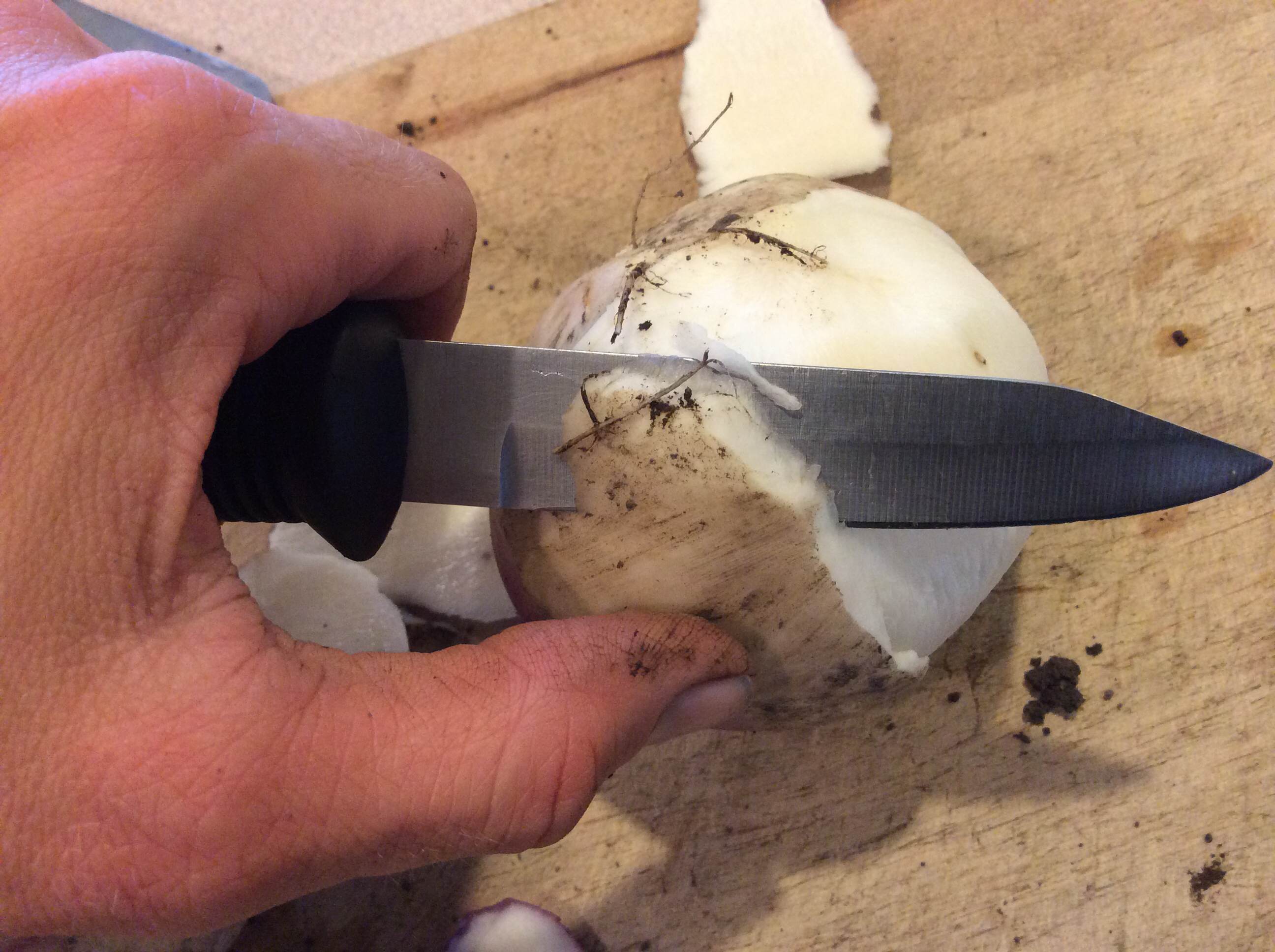
Turnips: store the roots and leaves, separately in plastic bags in the fridge. To use turnips, first cut off the top and bottom of the turnip and, using a paring knife, slice and peel the skin off. The turnip is then ready to be cut into the desired sized pieces and cooked or eaten raw. If the flavor of turnips is too strong, try boiling peeled, diced  turnips in salted water until just tender (1/2 inch pieces took about 5 minutes). Turnips can be added to potatoes in Scalloped Potatoes and Turnips.

Turnip peeling Independence CSA


Butter- braised Kohlrabi and turnips:

Peel kohlrabi and turnips, and thinly slice (1/8 to 1/4 inch thick) and cook in a skillet with butter and olive oil and salt and pepper, add about 1/2 cup of chicken broth, cover the skillet and cook, stirring occasionally, until tender. Optional: Cream can be added at the end.

Butter-braised Kohlrabi Blue Springs CSA


Roasted turnips with Walnuts and Craisins

Preheat oven to 425 F.

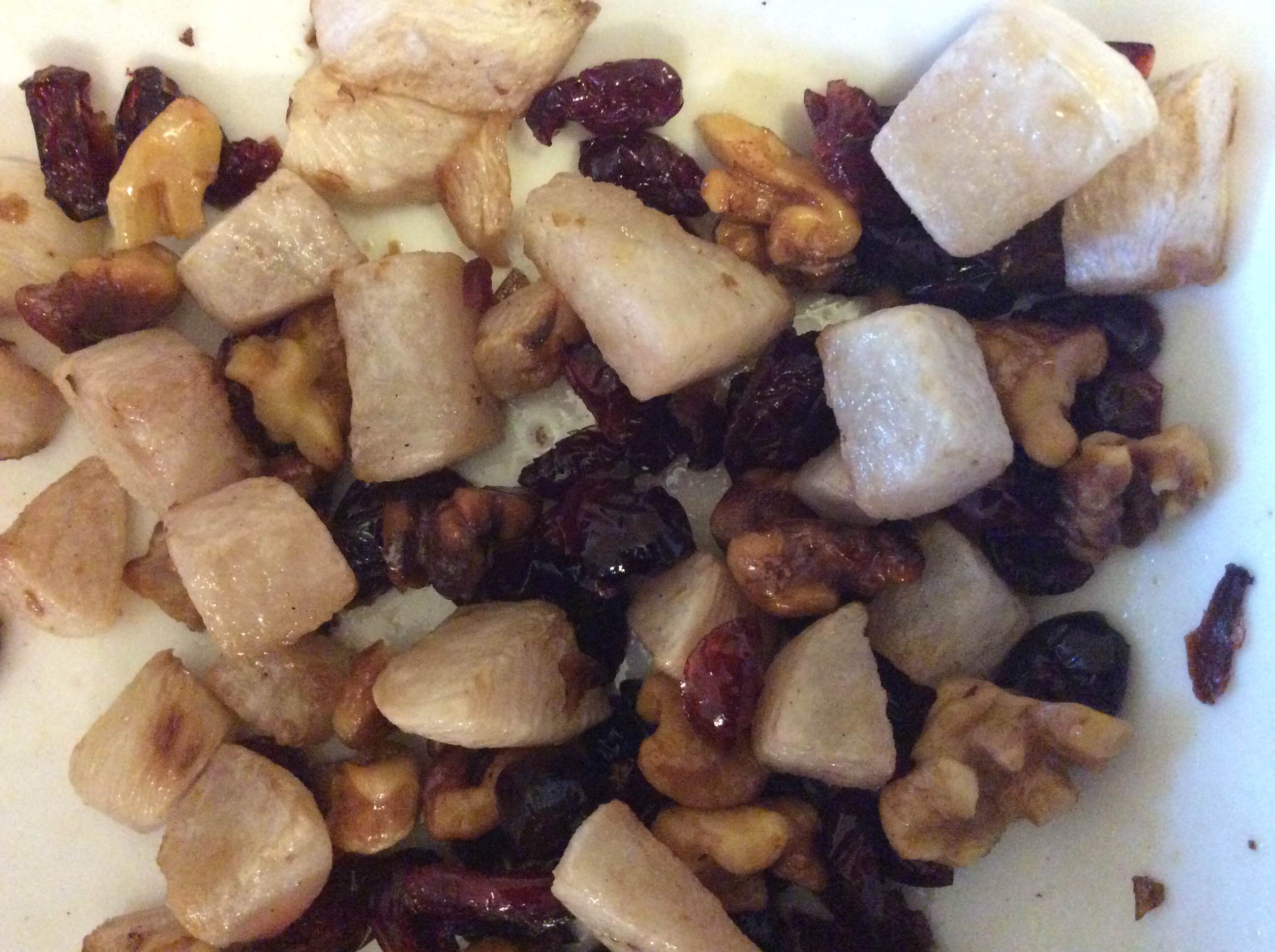
Peel and wash turnips. Cut turnips into ½ inch squares and place on a baking sheet, add 1-2 Tablespoons oil (I used coconut oil) and mix thoroughly to coat the turnip pieces and add salt and pepper to taste. Roast for about 10 minutes and then stir or flip turnip pieces over, add a handful of walnuts and stir to coat with some oil and roast about 5 minutes and then add a handful of Craisins to the pan and roast about 5 minutes or until turnips are just barely tender.

turnips walnuts craisins Kansas City CSA


Green beans: store in plastic bag in refrigerator. Basic cooking instructions: trim the stem end off and leave beans whole or snap into shorter pieces. Heat a pot of salted water to boiling, add beans, and boil 2 to 3 minutes, until almost tender- crisp. Drain beans very well (if you will be finishing the beans later, cool the bean beans to prevent further cooking). Heat butter and olive oil in a skillet (about 1 T each, can be increased or decreased to taste) over medium heat, add beans and salt and pepper to taste, and stir until tender, toward the end of cooking add 1 or 2 cloves garlic (chopped) if desired. Additions: toasted slivered almonds, stirred into the beans after cooking.

Kohlrabi: Both the leaves and the bulbous stem (the round part) are edible. The bulbous part can last for a couple weeks in the fridge, but the greens should be use within a couple days, both should be stored in plastic bags in the refrigerator . The bulb should be peeled by cutting off a thin slice on the top and bottom of the bulb and using a paring knife to cut the skin off the kohlrabi bulb.Here is a link with recipes using the kohlrabi bulb and greens, including one of our favorites, the kohlrabi patties: Kohlrabi Recipes.  The kohlrabi patties can also be made using both shredded kohlrabi and turnips (and carrots can be added, too), that are first salted and excess moisture squeezed out.

Kohlrabi Patties Redfearn Farm CSA


Spring Candy Onions: Store at room temperature. Spring onions have not been cured/dried so they will not last as long as storage onions. The green stem (if any) can be sliced and used like chives or green onions. These candy onions turn very sweet when sautéed or caramelized.

Cucumbers and Zucchini: store in plastic bag in refrigerator

Radishes: Remove the greens and store in plastic bag in refrigerator. Crisp radishes in ice water. You can just eat them straight with butter and a sprinkle of salt. There are many variations of radish salads, here are a couple: Radish and Mint Salad  and Smitten Kitchen’s chopped salad. Here are several Radish Appetizer ideas.

Farm update: The cucumbers and zucchini/ summer squash have been hit with insect damage, but more plants are already growing and ready to take their places. There are lots of green tomatoes on our tomato plants, and as they ripen we will begin including them in the CSA shares. The sweet and hot peppers and eggplants are also growing very well. New potatoes will begin to be harvested in the next couple weeks.